
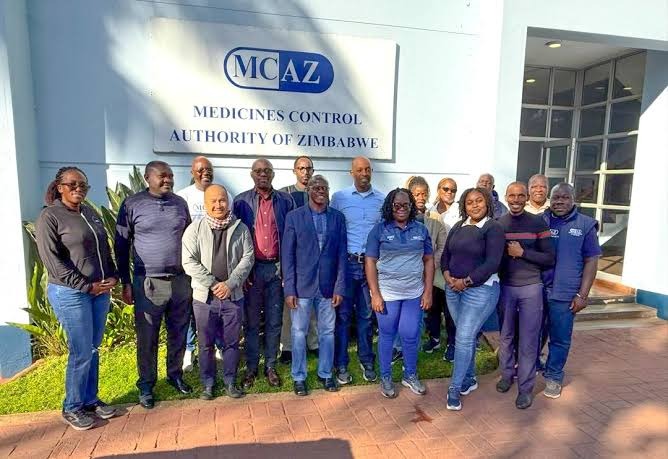
MCAZ: Boosts Drug Reaction Reporting in Zimbabwe for Safety
Summary
- The Medicines Control Authority of Zimbabwe (MCAZ) has urged patients and healthcare professionals to report suspected medicine side effects.
- This call aims to strengthen safety monitoring and protect public health.
- Zimbabwe is participating in the 2026 global #MedSafetyWeek campaign, running from November 2 to 8.
- MCAZ Director-General Richard Rukwata emphasized that these reports are essential for identifying risks and protecting others from harm.
- The campaign seeks to enhance medicine safety through increased reporting of adverse reactions.
Heightened Focus on Medicine Safety in Zimbabwe
For pharmaceutical companies and healthcare providers operating within the country, this translates into a heightened expectation for diligent compliance with reporting requirements.
The Medicines Control Authority of Zimbabwe (MCAZ) has recently issued a critical directive, urging both patients and medical professionals across the nation to actively report any suspected adverse drug reactions. This significant call to action is designed to bolster the existing safety monitoring frameworks within the country, ultimately serving to safeguard public health against potential pharmaceutical harms. The emphasis on robust MCAZ drug reaction reporting Zimbabwe comes at a pivotal moment, aligning with a broader international effort to enhance vigilance around medication use and ensure the ongoing efficacy and safety of pharmaceutical products available to the public.
This renewed push for comprehensive adverse drug reaction reporting ZW is not an isolated event but forms a key component of Zimbabwe's involvement in the 2026 global #MedSafetyWeek campaign. This annual international initiative, scheduled to run from November 2 to November 8, specifically targets the reinforcement of medicine safety protocols through the encouragement of greater reporting of drug-related side effects. The campaign provides a structured platform for national regulatory bodies, like the Medicines Control Authority Zimbabwe, to amplify their messages regarding pharmacovigilance and underscore the shared responsibility in maintaining public health standards.
Regulatory Imperative and Public Protection
Richard Rukwata, the distinguished director-general of the MCAZ, underscored the profound importance of these reports, highlighting their indispensable role in the regulatory process. He articulated that the information gathered from both patients and healthcare providers forms the bedrock upon which regulators can effectively pinpoint emerging risks associated with various medications. This proactive identification is crucial for preventing widespread harm and ensuring the continued well-being of the populace, thereby fulfilling the core mandate of the Medicines Control Authority Zimbabwe.
The insights gleaned from these detailed reports enable the regulatory body to take informed actions, ranging from issuing new safety guidelines to, in more severe cases, withdrawing problematic drugs from the market. This systematic approach to adverse drug reaction reporting ZW is a cornerstone of modern pharmaceutical regulation, ensuring that the benefits of medicines continue to outweigh their potential risks. The active participation of all stakeholders is therefore not merely encouraged but is deemed fundamental to the integrity of the national health system and the ongoing success of medicine safety Zimbabwe 2026 initiatives.
Implications for Healthcare Stakeholders
Zimbabwe's active participation in the 2026 #MedSafetyWeek Zimbabwe campaign, coupled with the MCAZ's explicit directive, signals a period of increased scrutiny on medicine safety practices. For pharmaceutical companies and healthcare providers operating within the country, this translates into a heightened expectation for diligent compliance with reporting requirements. The regulatory body's focus on strengthening safety monitoring implies that robust internal mechanisms for identifying and submitting adverse drug reaction reports are more critical than ever, potentially mitigating future legal and ethical challenges.
The ongoing #MedSafetyWeek Zimbabwe initiative serves as a powerful reminder of the collective responsibility in maintaining high standards of medicine safety Zimbabwe 2026. Non-compliance with these reporting obligations could expose entities to significant regulatory penalties and reputational damage, underscoring the necessity for a thorough review and reinforcement of existing pharmacovigilance protocols. This proactive stance by the Medicines Control Authority Zimbabwe aims to foster a culture of vigilance, ensuring that every suspected side effect contributes to a safer medication environment for all citizens.
Practical Implications
Pharmaceutical companies and healthcare providers in Zimbabwe should review and reinforce their adverse drug reaction reporting mechanisms to MCAZ, as the renewed emphasis during #MedSafetyWeek signals increased regulatory scrutiny and potential liability risks for non-compliance with medicine safety protocols.
Source
Source: Original reporting via NewsDay
How does this affect you?
Get an AI analysis of this article grounded in your jurisdictions, practice areas, and any policy documents you've uploaded to Wansom.
Wansom is AI and can make mistakes.