
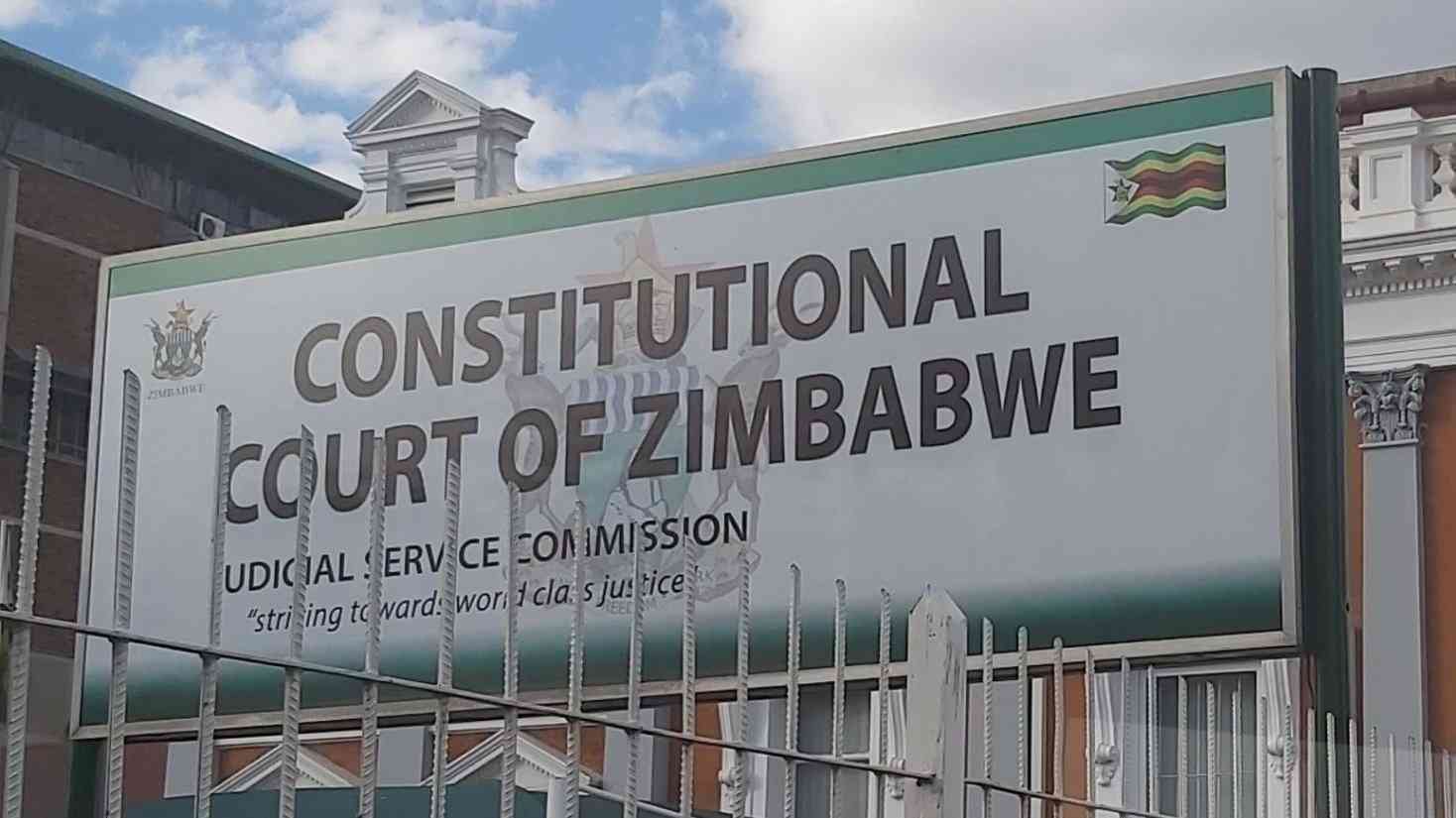
Zimbabwe ConCourt: CAA3 Challenges Heard to Invalidate Act
Summary
- On November 18, 2026, the Constitutional Court in Harare heard two applications challenging the Constitution of Zimbabwe Amendment (No. 3) Act.
- Opposition activists and civic groups filed these applications, seeking to overturn the legislation and block its implementation.
- The proceedings represent a significant legal effort to review the controversial Act's constitutional validity.
- The outcome will determine the enforceability of the Act and has broad implications for Zimbabwe's legal framework.
What Happened
For legal professionals and compliance officers operating within Zimbabwe, the outcome of this case is of paramount importance.
On Wednesday, November 18, 2026, the Constitutional Court (ConCourt) in Harare convened to hear critical legal challenges against the Constitution of Zimbabwe Amendment (No. 3) Act. This pivotal session saw opposition activists and various civic organizations present their arguments before the nation's highest court. The proceedings marked a significant moment for Zimbabwean constitutional law, as the validity of a key piece of legislation came under intense scrutiny.
The court was tasked with considering two separate applications, both lodged with the explicit aim of invalidating the controversial Act. These applications seek not only to overturn the legislation but also to prevent its further implementation, underscoring the profound concerns held by the applicants regarding its provisions and potential impact on governance and rights within Zimbabwe.
The hearing represents a direct confrontation over legislative authority and constitutional integrity, with the applicants striving to demonstrate that the Constitution of Zimbabwe Amendment (No. 3) Act is fundamentally flawed and should be struck down. The outcome of these Zimbabwe ConCourt CAA3 challenges is eagerly awaited by legal practitioners and the public alike, given the far-reaching implications for the country's legal framework.
Legal Context
The Constitution of Zimbabwe Amendment (No. 3) Act, often referred to as CAA3, has been a subject of considerable debate and contention since its enactment. Its provisions have drawn criticism from various sectors, leading to the current legal offensive mounted by opposition activists and civic groups. These CAA3 challenges Zimbabwe faces are rooted in fundamental questions about constitutional adherence and the proper scope of legislative amendments.
The Zimbabwe Constitutional Court CAA3 hearing is therefore not merely a procedural matter but a substantive review of the Act's compatibility with the existing constitutional order. The applicants' primary objective is to persuade the court to overturn CAA3 legislation, arguing that it contravenes established constitutional principles or procedures. This judicial review process is a cornerstone of constitutional democracy, allowing the judiciary to act as a check on legislative power.
The legal arguments presented before the ConCourt will delve into the specifics of the Amendment Act, examining its clauses against the backdrop of the supreme law of the land. The court's decision will set a precedent for future legislative amendments and clarify the boundaries within which the Parliament can exercise its amending powers, making this a crucial Zimbabwe constitutional law update.
Why It Matters
The resolution of these Zimbabwe ConCourt CAA3 challenges carries substantial weight for the nation's legal and political future. A ruling to overturn CAA3 legislation would invalidate the Act, potentially reversing any changes it has introduced and reinforcing the constitutional principles championed by the applicants. Conversely, a decision upholding the Act would affirm its legality, allowing its provisions to remain in force.
For legal professionals and compliance officers operating within Zimbabwe, the outcome of this case is of paramount importance. The ruling will definitively determine the validity and enforceability of the Constitution of Zimbabwe Amendment (No. 3) Act, necessitating potential adjustments to legal advice, compliance frameworks, and litigation strategies. Monitoring this Zimbabwe constitutional law update is therefore not merely academic but a practical imperative for ensuring legal soundness in operations.
The implications extend beyond the immediate legal community, influencing public policy, human rights, and the balance of power among governmental branches. The ConCourt's judgment in these significant CAA3 challenges Zimbabwe faces will shape the interpretation of the Constitution for years to come, impacting citizens and institutions across the country.
Practical Implications
Lawyers and compliance officers in Zimbabwe should closely monitor the outcome of these ConCourt challenges to the Constitution of Zimbabwe Amendment (No. 3) Act, as the ruling will determine the validity and enforceability of the legislation, potentially requiring adjustments to legal advice, compliance frameworks, and litigation strategies.
Source
How does this affect you?
Get an AI analysis of this article grounded in your jurisdictions, practice areas, and any policy documents you've uploaded to Wansom.
Finish Reading the Full Story and the Expert Analysis.
Get the latest legal & regulatory intelligence in Zimbabwe
Wansom is AI and can make mistakes.