
Zambian Lawyer Linda Kasonde on Defamation and Legal Accountability
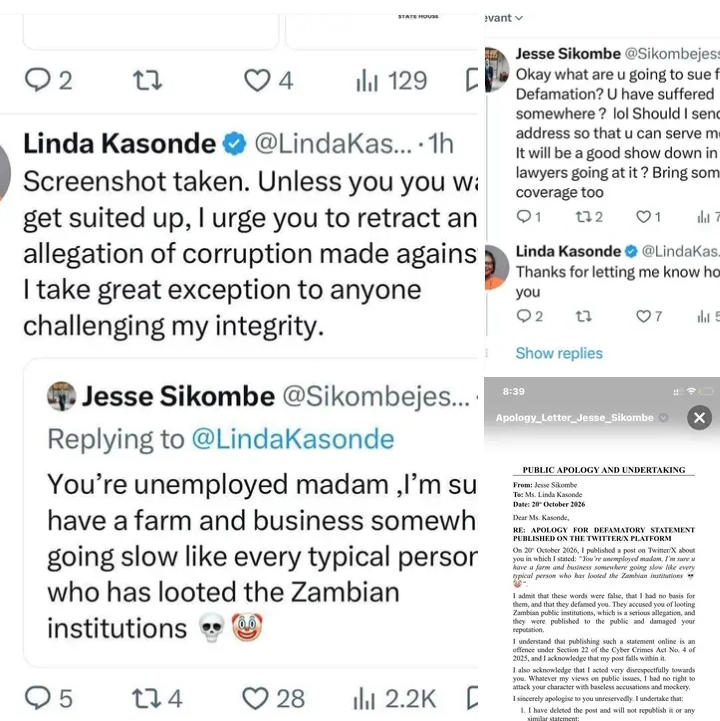
In Zambia, prominent legal professional Linda Kasonde reportedly experienced defamation via a Twitter (now X) post, leading her to threaten legal action, which resulted in an apology from the responsible individual.
This incident highlights the increasing importance of defamation law in the digital age for legal practitioners, businesses, and individuals in Zambia. It demonstrates that even without formal litigation, the credible threat of legal action can be a powerful and effective tool for redress against reputational harm. For practitioners, it underscores the necessity of advising clients on both the risks associated with online defamation and the available avenues for recourse, including pre-litigation strategies. The swift apology in this case suggests a recognition of potential legal liability, reinforcing the principle that online speech is not immune from legal scrutiny and carries real-world consequences.
Defamation in Zambia is primarily governed by common law principles, supplemented by statutory provisions such as the Defamation Act, Chapter 68 of the Laws of Zambia. This Act defines defamation and provides for remedies, including damages. While the excerpt does not specify the exact nature of the threatened action, defamation claims typically involve proving that a statement was published, referred to the claimant, was false, and caused damage to their reputation. The Zambian legal system, based on English common law, recognizes both libel (written defamation, which includes online posts) and slander (spoken defamation). The courts, including the High Court and subordinate courts, have jurisdiction over such matters. The incident also touches upon the broader regulatory environment concerning online content, though specific social media regulations are still evolving.
The key individual involved is Linda Kasonde, a prominent legal professional. The other party is the individual responsible for the defamatory post on Twitter (X), who subsequently issued an apology. The Zambian Observer is the source reporting on this incident. No specific courts or regulatory bodies were formally involved in a reported ruling, as the matter appears to have been resolved through a pre-litigation threat and apology, and the outcome of any formal legal proceedings is not reported in the excerpt.
Attorneys in Zambia should closely monitor the evolving landscape of online defamation, particularly concerning social media platforms. They must be prepared to advise clients on proactive measures to protect their online reputations and on effective strategies for addressing defamatory content, ranging from cease and desist letters and threats of legal action to formal litigation. Businesses should also be acutely aware of their potential liability for content posted by employees or on their official channels. This incident serves as a timely reminder that robust legal frameworks exist to protect reputations, and individuals should not hesitate to leverage these mechanisms when faced with online abuse or falsehoods. The importance of meticulously documenting online incidents, such as by taking screenshots, for evidentiary purposes cannot be overstated.
How does this affect you?
Get an AI analysis of this article grounded in your jurisdictions, practice areas, and any policy documents you've uploaded to Wansom.
Finish Reading the Full Story and the Expert Analysis.
Get the latest legal & regulatory intelligence in Zambia
Wansom is AI and can make mistakes.