
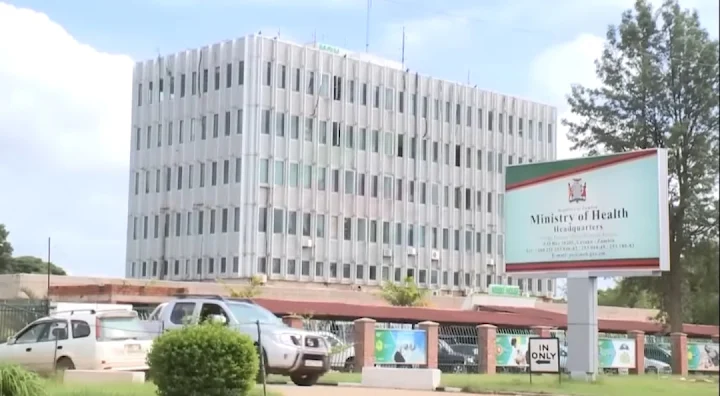
Zambia Auditor General: Deceased Health Workers Paid K5.79 Million
Summary
- The 2025 Auditor General's Report revealed K5.79 million in irregular salary payments by Zambia's Ministry of Health.
- These payments were made to 77 deceased health workers who remained on the payroll.
- Salaries were disbursed for periods ranging from one to 12 months after the employees' deaths.
- The issue stemmed from delays in removing the deceased individuals from the official payroll records.
- The report highlights significant financial mismanagement and the need for improved internal controls within the public sector.
Uncovering Payroll Irregularities
The revelation from the Zambia Auditor General report concerning deceased health workers highlights an urgent need for enhanced internal controls.
The Auditor General for Zambia has brought to light significant financial discrepancies within the Ministry of Health's payroll system. A recent examination, detailed in the 2025 Auditor General's Report, identified that 77 health workers, despite being deceased, continued to receive salary payments for extended periods. This critical finding underscores a lapse in financial oversight within a key public sector institution.
These irregular payments, which constitute a form of public sector payroll fraud, accumulated to a substantial K5.79 million. The report specifies that these deceased individuals remained on the payroll for durations ranging from a single month up to a full year following their passing. This prolonged continuation of salary disbursements to non-existent employees represents a considerable drain on public resources intended for healthcare services.
The revelation from the Zambia Auditor General report concerning deceased health workers highlights an urgent need for enhanced internal controls. Such findings are crucial for ensuring accountability and preventing the misuse of taxpayer money. The report serves as a stark reminder of the challenges in maintaining accurate and up-to-date personnel records within large government departments.
Details of the Financial Mismanagement
Further analysis within the Auditor General's Report for 2025 indicates that the primary cause for these irregular payments was a delay in processing the removal of the deceased employees from the Ministry of Health's payroll. These delays varied significantly, with some individuals remaining on the system for just one month post-mortem, while others continued to receive salaries for as long as twelve months. This systemic issue allowed for the continued disbursement of funds to individuals who were no longer eligible.
The total sum of K5.79 million paid out to these 77 individuals represents a direct financial loss to the Zambian government. This amount, if properly managed, could have been allocated to critical areas within the health sector, such as medical supplies, infrastructure development, or the recruitment of active personnel. The existence of what are effectively "ghost workers" on the payroll, even if due to administrative oversight rather than deliberate fraud, still results in the same detrimental financial outcome.
Such instances of financial mismanagement in health services can erode public confidence and divert essential funds from their intended purpose. The report implicitly calls for a thorough review of the procedures for updating employee status, particularly in cases of death, to prevent future occurrences of similar payroll fraud. The scale of the K5.79 million in irregular payments underscores the importance of diligent record-keeping and timely administrative actions.
The Role of Oversight and Accountability
The findings presented in the 2025 Auditor General's Report are instrumental in promoting transparency and accountability within Zambia's public administration. The Auditor General's office plays a vital role in scrutinizing government expenditures and identifying areas where public funds are not being utilized efficiently or appropriately. This specific report on the Ministry of Health's payroll issues exemplifies that oversight function.
For compliance officers and legal counsel advising public sector entities in Zambia, this report serves as a critical reference point. It emphasizes the necessity of robust internal controls and verification procedures to mitigate risks associated with financial mismanagement and irregular payments. The identification of deceased individuals remaining on the payroll for extended periods points to a gap in the existing control environment that requires immediate attention and rectification.
The ongoing efforts to combat Zambia public sector payroll fraud are significantly bolstered by such detailed audits. The report not only quantifies the financial loss but also highlights the systemic vulnerabilities that allow such irregularities to persist. Addressing these vulnerabilities is paramount for safeguarding public finances and ensuring that resources are directed towards their intended beneficiaries and services.
Implications for Public Trust and Resource Allocation
The revelation of K5.79 million in irregular payments to deceased health workers carries significant implications beyond the immediate financial loss. It raises serious questions about the efficiency and integrity of public financial management systems, particularly within the health sector, which is critical for national well-being. Public trust can be severely undermined when such substantial amounts are found to be mismanaged due to administrative delays.
Funds diverted through such payroll anomalies represent resources that could have been invested in improving healthcare infrastructure, procuring essential medicines, or enhancing the working conditions of active health professionals. The opportunity cost of these irregular payments is substantial, directly impacting the quality and accessibility of health services for the Zambian populace. This highlights the broader societal impact of financial mismanagement in health.
Therefore, the Auditor General's Report for 2025 not only exposes past failings but also provides a crucial impetus for reform. It underscores the continuous need for vigilance, regular audits, and the implementation of stringent verification mechanisms to prevent future instances of irregular payments and ensure that every Kwacha of public money is accounted for and spent judiciously.
Practical Implications
Compliance officers and legal counsel advising public sector entities in Zambia should review internal payroll controls and verification procedures to identify and mitigate risks of financial mismanagement, fraud, and irregular payments to non-existent or deceased employees, as highlighted by this Auditor General's report.
Source
How does this affect you?
Get an AI analysis of this article grounded in your jurisdictions, practice areas, and any policy documents you've uploaded to Wansom.
Finish Reading the Full Story and the Expert Analysis.
Get the latest legal & regulatory intelligence in Zambia
Wansom is AI and can make mistakes.