
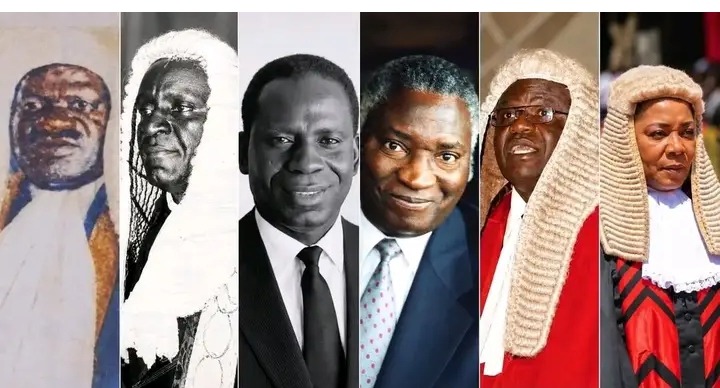
Zambia National Assembly Speakers History: Seven Leaders Since 1964
Summary
- Since Zambia gained independence in 1964, seven individuals have served as Speaker of the National Assembly.
- This select group of parliamentary leaders is composed of six men and one woman.
- These Speakers have presided over both the passage of historic legislation and the occasional, lively parliamentary debates.
- The limited number of incumbents highlights the significant tenure and influence each Speaker has held in shaping Zambia's legislative history.
The Enduring Role of the Speaker in Zambia's Legislature
The Speaker's gavel, therefore, symbolizes both the gravity of law-making and the dynamic nature of political deliberation within the Zambian context.
Since gaining independence in 1964, Zambia's National Assembly has been guided by a select group of individuals holding the esteemed position of Speaker. This pivotal role, central to the functioning of parliamentary democracy, has been occupied by seven distinct individuals over more than five decades. This limited number underscores the significant tenure and influence each incumbent has wielded in shaping the legislative landscape of the nation. The Speaker's office is not merely procedural; it embodies the authority and impartiality required to steer national discourse and ensure the orderly conduct of parliamentary business.
Among the seven individuals who have served as Speaker of the National Assembly, the composition reflects a historical progression in Zambian parliamentary leadership. The group comprises six men and one woman, highlighting a gradual evolution in representation within this crucial governmental branch. This small, exclusive club of leaders has been responsible for presiding over the full spectrum of parliamentary activities, from the solemn passage of landmark legislation that has defined Zambia's development trajectory to the more animated and sometimes theatrical debates that are a characteristic feature of legislative bodies worldwide. The Speaker's gavel, therefore, symbolizes both the gravity of law-making and the dynamic nature of political deliberation within the Zambian context.
A Historical Overview of Zambian Parliamentary Leadership
The history of Zambia National Assembly Speakers since independence in 1964 reveals a consistent line of leadership, with each Speaker contributing to the nation's democratic framework. The relatively small number of individuals to have held this powerful position, often for extended periods, suggests a stability in the parliamentary leadership structure. These Speakers have been instrumental in upholding the rules of procedure, maintaining decorum, and facilitating the legislative process, thereby ensuring the continuity and integrity of Zambia's democratic institutions. Their collective tenure spans significant periods of national development and political change, making their roles integral to understanding the country's governance evolution.
The responsibilities entrusted to these Zambian Speakers since independence have been multifaceted, encompassing both the profound and the prosaic aspects of parliamentary life. They have overseen the crafting and enactment of historic legislation, which forms the bedrock of Zambia's legal and social order, guiding the nation through various developmental stages. Concurrently, they have also managed the occasional "parliamentary theatre," a term that aptly describes the lively, sometimes contentious, but ultimately essential debates that occur within the legislative chamber. This dual function underscores the Speaker's critical role in balancing serious governance with the vibrant, often passionate, expression of political will, ensuring that the National Assembly remains a dynamic forum for national dialogue.
The Legacy and Impact of the Speaker's Office
The individuals comprising this exclusive list of Zambian Parliament Speakers have left an indelible mark on the nation's legislative history. Their collective experience represents a significant portion of Zambia's post-colonial journey, with each Speaker playing a crucial role in navigating the complexities of a developing democracy. The continuity provided by this "relatively small club" of leaders has been vital in establishing and reinforcing parliamentary traditions and norms, which are essential for the effective functioning of any legislative body. Their oversight has ensured that the National Assembly operates as a robust institution, capable of addressing the nation's challenges and aspirations.
Within this historical narrative, the mention of the "first indigenous" Speaker signifies a pivotal moment in Zambia's parliamentary leadership past, marking a transition towards self-governance and national representation following independence. While specific details about this individual are part of a broader historical account, their emergence symbolized the nation's assertion of its own identity and its capacity to lead its legislative affairs. The enduring legacy of all seven Speakers, including the six men and one woman, lies in their collective stewardship of the National Assembly, guiding it through periods of significant legislative activity and ensuring its role as a vital pillar of Zambian democracy.
Practical Implications
This article provides a historical overview of the Speakers of Zambia's National Assembly. It does not contain any immediate practical implications for lawyers or compliance officers regarding new legal obligations, regulatory changes, or actionable advice.
Source
How does this affect you?
Get an AI analysis of this article grounded in your jurisdictions, practice areas, and any policy documents you've uploaded to Wansom.
Finish Reading the Full Story and the Expert Analysis.
Get the latest legal & regulatory intelligence in Zambia
Wansom is AI and can make mistakes.