
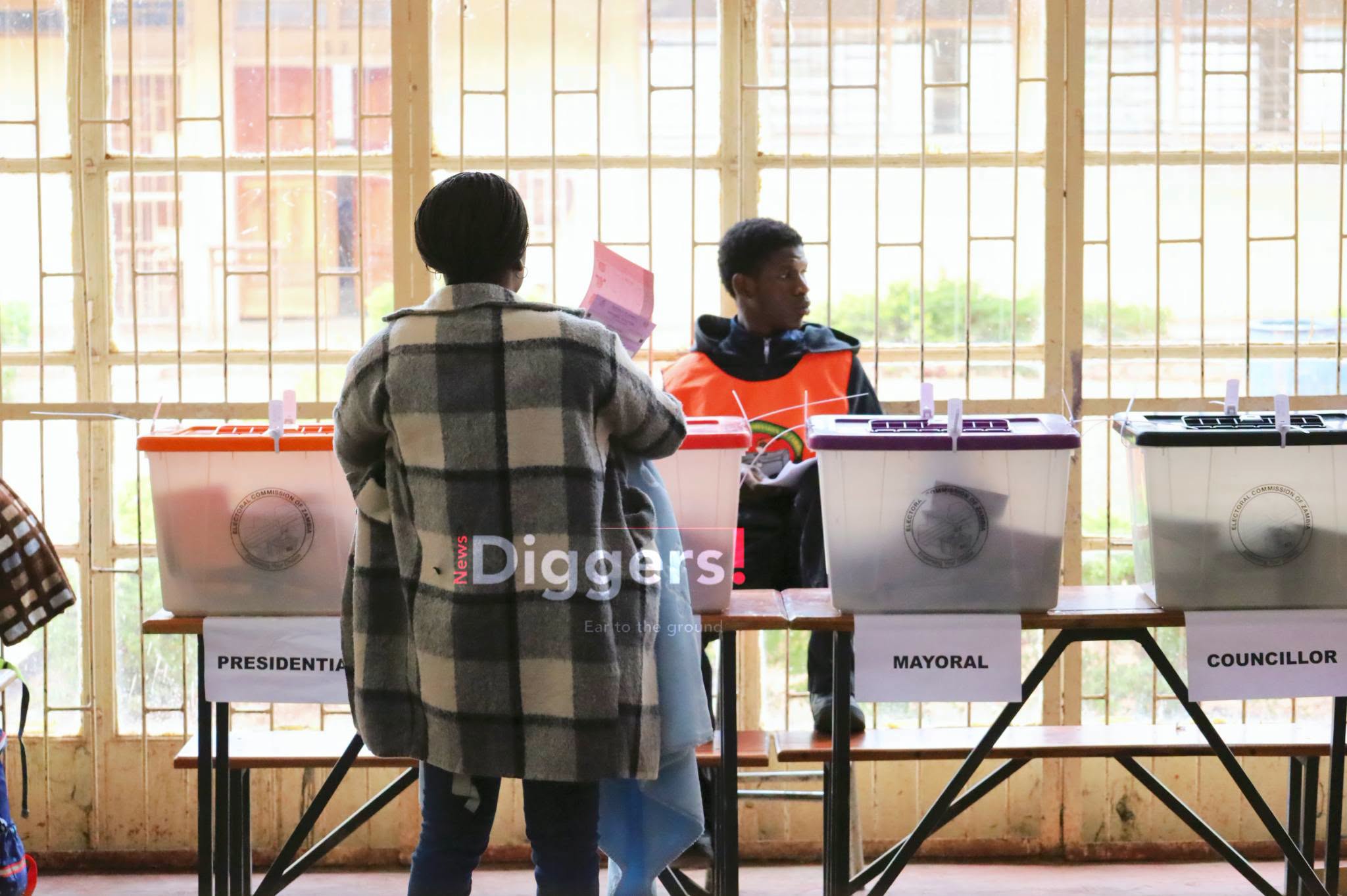
Zambia: UPND Candidates Unopposed in By-Elections, Polls Cancelled
Summary
- The Electoral Commission of Zambia had scheduled two parliamentary and twelve local government by-elections for November 5.
- The Mbala mayoral by-election was among the local government polls set for that date.
- However, the two parliamentary and Mbala mayoral by-elections will not be held.
- This cancellation is due to United Party for National Development (UPND) candidates running unopposed in these specific contests.
- Similar instances of unopposed candidacies also occurred during Zambia's August 13 general elections.
Uncontested Elections in Zambia
The repeated instances of UPND candidates winning without a contest, as observed in both the recent by-elections and the August 13 general elections, underscore the importance of monitoring the legal and procedural aspects of Zambia's electoral system.
The Electoral Commission of Zambia (ECZ) had initially set November 5 as the date for a series of by-elections across the country. This electoral exercise was slated to include two parliamentary by-elections alongside a dozen local government by-elections. Among these local contests was the significant Mbala mayoral by-election, which had been scheduled to proceed on the same date.
However, a notable development has emerged, indicating that certain key polls will ultimately not take place as planned. Specifically, the two parliamentary by-elections and the Mbala mayoral by-election are now confirmed to be cancelled. This outcome stems from the fact that candidates representing the United Party for National Development (UPND) were the sole contenders in these particular races, effectively running unopposed.
This scenario of candidates securing victory without a vote is not unprecedented in Zambia's recent electoral history. A similar situation arose during the general elections held on August 13, where several candidates also won their seats without facing any opposition. The recurring nature of these unopposed candidacies raises questions about the competitive landscape of Zambian politics and the broader implications for the electoral system.
The Role of the Electoral Commission and Legal Framework
The Electoral Commission of Zambia (ECZ) is the body responsible for overseeing and managing all elections within the nation, ensuring adherence to established electoral laws and procedures. Its mandate includes setting election dates, registering voters, and validating candidacies. The occurrence of unopposed elections, while legally permissible under certain conditions, places a unique spotlight on the ECZ's administrative processes and the legal framework governing candidate nominations.
When a candidate stands unopposed, the electoral process for that specific seat effectively bypasses the voting stage, leading to an automatic declaration of victory. This mechanism, while efficient, can prompt scrutiny regarding the robustness of the nomination process and the accessibility of the electoral field for all political parties and independent candidates. Lawyers and legal experts often examine such instances to ensure that the spirit of democratic competition is upheld, even when formal opposition is absent.
The repeated instances of UPND candidates winning without a contest, as observed in both the recent by-elections and the August 13 general elections, underscore the importance of monitoring the legal and procedural aspects of Zambia's electoral system. This includes scrutinizing the ECZ's handling of candidate nominations and withdrawals, which can significantly influence the competitive nature of an election. The integrity of Zambia's election process hinges on transparency and fairness at every stage, including situations where voting does not occur.
Implications for Democratic Principles
The phenomenon of unopposed elections, particularly when involving multiple significant contests like parliamentary and mayoral seats, carries substantial implications for democratic principles and citizen engagement. A core tenet of democracy is the right of citizens to choose their representatives through a competitive electoral process. When elections are decided without a single vote being cast, it can diminish public participation and potentially erode confidence in the democratic system.
Such outcomes can lead to concerns about the vibrancy of multi-party democracy and the extent of political contestation within the country. The absence of opposition in these specific Zambian parliamentary by-elections and the Mbala mayoral by-election means that voters in those constituencies were denied the opportunity to express their preferences at the ballot box. This situation, mirroring events from the August 13 general elections, highlights a pattern that warrants close observation.
The call for accountability and scrutiny, potentially involving bodies like the Anti-Corruption Commission (ACC), often arises in contexts where electoral integrity is questioned. While unopposed victories may be legally sound, their frequency can prompt a deeper examination of the underlying factors that contribute to a lack of electoral competition. Ensuring that the Zambian electoral process remains robust and truly representative is crucial for maintaining democratic principles and public trust.
Practical Implications
Lawyers should monitor potential legal challenges to the Zambian electoral process regarding unopposed candidacies, particularly concerning the ECZ's handling of such situations and any subsequent investigations by the ACC into electoral integrity or democratic principles.
Source
How does this affect you?
Get an AI analysis of this article grounded in your jurisdictions, practice areas, and any policy documents you've uploaded to Wansom.
Wansom is AI and can make mistakes.