
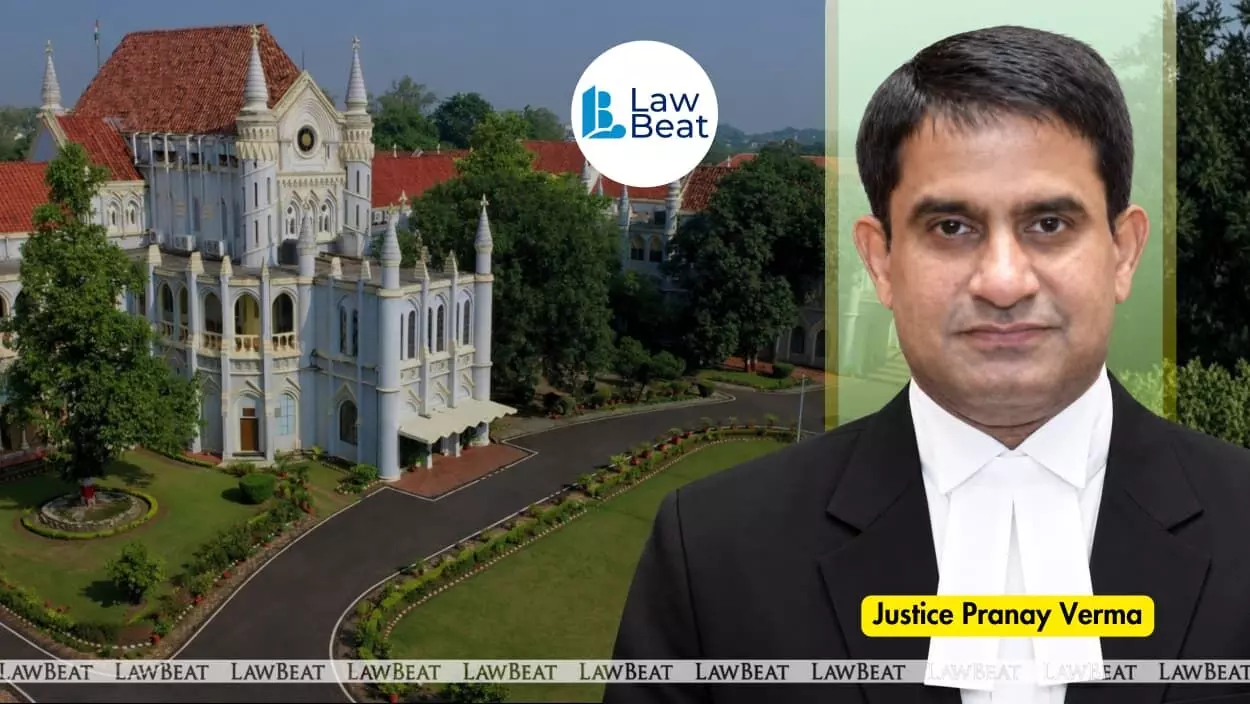
MP High Court: Widow Inheritance Not Divested By Subsequent Conduct
Summary
- The Madhya Pradesh High Court ruled that a Hindu widow's inherited estate cannot be divested due to subsequent unchastity.
- The court upheld a widow's one-third share in agricultural land, dismissing a 1994 appeal.
- The ruling clarified that a widow must be chaste at the time of inheritance for the estate to vest, but later conduct does not alter this.
- The alleged second marriage of the widow was deemed invalid because her brother-in-law was already married.
- The Hindu Succession Act, 1956, converted the widow's limited estate into absolute ownership, reinforcing her property rights.
Case Overview
Once an estate has vested in a Hindu widow, her subsequent conduct, including unchastity, cannot lead to its divestment, especially after the enactment of the Hindu Succession Act, 1956.
The Madhya Pradesh High Court recently affirmed that a Hindu widow's inherited estate, once properly vested, cannot be divested due to her subsequent conduct, including relationships deemed unchaste. This significant ruling came in the dismissal of Second Appeal No. 2 of 1994, a case that had been pending since its filing in 1994 and was finally decided on November 2, 2026, after being reserved on July 1, 2026.
Justice Pranay Verma presided over the case of Sahaba @ Sahab and others versus Smt. Savitri and others, upholding the widow's one-third share in family agricultural land. The court's decision reinforces the principle that a widow's property rights, particularly after the Hindu Succession Act, 1956, are robust and not easily forfeited by later life choices, provided she was chaste at the time of her husband's death.
Factual Background
The dispute centered on land originally owned by Sadhuwa, who had four sons: Gopaliya, Lalli, Saheba, and Ramshel. The plaintiff, Smt. Savitri, was initially married to Gopaliya, who passed away without issue in 1950. Following caste customs, she subsequently lived with Lalli, with whom she had a daughter. After Lalli's demise, she began residing with Saheba.
Smt. Savitri asserted her right to a one-third share in the land after Lalli's death, a claim that was reflected in the revenue records where she was listed alongside other co-owners. However, the defendants proceeded to partition the land among themselves, effectively excluding her. Their argument was that her relationship with Saheba had made her his wife by custom, thus negating her independent claim to the land and limiting her rights to only what she might derive through him. Both the trial court and the first appellate court rejected this contention, finding that Saheba was already married and had not undergone a customary divorce, meaning Smt. Savitri legally remained Lalli's widow and was entitled to her one-third share.
Legal Analysis
The High Court concurred with the lower courts' assessment regarding the invalidity of the plaintiff's alleged marriage to Saheba. Justice Verma noted, based on the defendants' own witnesses, that Saheba's first wife, Kamli, was alive when the plaintiff reportedly began living with him. The court emphasized the absence of any plea or proof from the defendants demonstrating that Saheba had divorced Kamli according to caste customs, stating that a mere assertion of Kamli having left Saheba was insufficient. The court further clarified that even under Hindu law preceding the Hindu Succession Act, 1956, Saheba was not permitted to have a second wife, rendering the alleged marriage legally void and confirming Smt. Savitri's continued status as Lalli's widow.
A pivotal aspect of the ruling addressed the question of whether the suit could be decreed given the plaintiff's admission of subsequent unchastity. The court stressed the importance of timing, observing that Smt. Savitri was not living with Saheba at the time of Lalli's death, meaning she was not unchaste when the inheritance vested. Relying on paragraph 96 of Mulla's Hindu Law, 25th Edition, the court reiterated that while a widow unchaste at her husband's death is not entitled to inherit, once an estate has vested in her, her subsequent unchastity cannot lead to its divestment. The court concluded that Smt. Savitri, having inherited Lalli's estate as a limited estate, became the absolute owner thereof upon the enactment of the Hindu Succession Act, 1956, thereby entitling her to her share in the suit land. The Madhya Pradesh High Court found no illegality or perversity in the lower courts' application of legal principles.
Why It Matters
This judgment from the Madhya Pradesh High Court significantly clarifies the scope of Hindu widow property rights, particularly concerning the divestment of inherited property. The ruling firmly establishes that once an estate has vested in a Hindu widow, her subsequent conduct, including unchastity, cannot lead to its divestment, especially after the enactment of the Hindu Succession Act, 1956. This provides crucial protection for widows, ensuring their absolute ownership rights are not undermined by later life circumstances or relationships.
The court's reliance on established legal principles, including Mulla's Hindu Law paragraph 96, and its affirmation of the transformative impact of the Hindu Succession Act, 1956, on a widow's limited estate into absolute ownership, sets a clear precedent. It underscores the judiciary's commitment to safeguarding the property interests of Hindu widows against challenges based on their personal conduct after inheritance, reinforcing the stability and security of their acquired assets.
Practical Implications
This ruling clarifies that a Hindu widow's inherited estate, once vested, cannot be divested due to subsequent unchastity or relationships, especially after the Hindu Succession Act, 1956. Lawyers should advise clients that challenges to a widow's property rights based on her conduct after inheriting are unlikely to succeed if she was chaste at the time of inheritance, reinforcing the absolute nature of her ownership.
Source
How does this affect you?
Get an AI analysis of this article grounded in your jurisdictions, practice areas, and any policy documents you've uploaded to Wansom.
Finish Reading the Full Story and the Expert Analysis.
Get the latest legal & regulatory intelligence in India
Wansom is AI and can make mistakes.