
Zimbabwe Ministry: Wicknell Chivayo Helicopter Crash Report Sparks Debate
Summary
- A preliminary report on the September 30 Bell 430 Z-PED helicopter crash, which killed businessman Wicknell Chivayo and four others, cited adverse weather and controlled flight into terrain as causes.
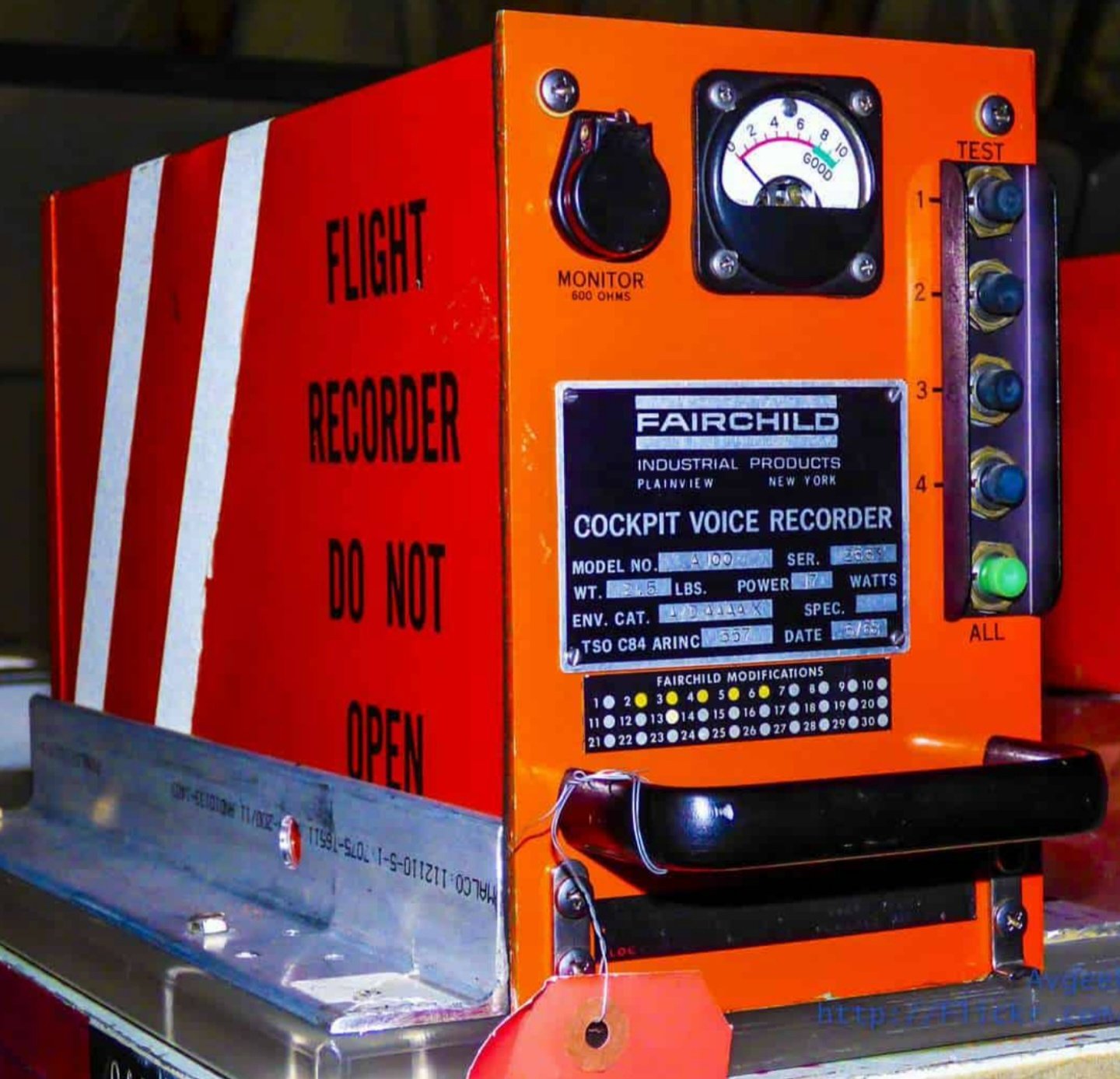
- The Zimbabwe Ministry of Transport preliminary report, released over two weeks late, contradicts earlier official statements that an intact black box was recovered, now claiming the Cockpit Voice Recorder was never found.
- Forensic teams failed to locate cranial remains for Wicknell Chivayo and Lucy Muteke, who were buried without their heads.
- The report offers no explanation for the CVR's alleged destruction, despite such devices being engineered to withstand extreme impacts and fires.
- The inconsistencies and delayed release of the Zimbabwe aviation accident report have raised concerns about the transparency of the Bell 430 Z-PED crash investigation.
The Fatal Flight and Its Aftermath
The report offers no explanation for how a device initially declared intact could subsequently vanish or be completely destroyed without a trace of its hardened casing, a scenario described as unprecedented in global aviation history.
On September 30, a Bell 430 helicopter, registered as Z-PED, tragically crashed, claiming the lives of businessman Wicknell Chivayo, his wife Lucy Muteke, her aide Senelisiwe Magagula, pilot-in-command Captain Kelvin Tafirei Soda, and co-pilot Courage Mutavirwa. The aircraft, along with a Bell 407, had departed Gandami Village in Chikomba District, Mashonaland East province, around 4:20 PM, en route to Harare via Marondera. Approximately ten minutes into their journey, both helicopters encountered severe weather conditions, despite prior meteorological advisories warning of low cloud ceilings, thunderstorms, and poor visibility.
While the Bell 407 altered its course, turning west to avoid the storm, the Bell 430 continued northeast. Its crew initially reported clear skies ahead before subsequently radioing that they had entered a dense layer of cloud. Around 5:00 PM, witnesses at Kudenga Farm in Waddilove, situated 22 kilometers southwest of Marondera, described hearing the helicopter's rotor blades amidst heavy fog and drizzle, followed by a violent bang and impact. The aircraft, which had been flying at an altitude exceeding 1,547 meters, struck the terrain, disintegrating across a 170-by-75-meter debris field. The subsequent ignition of spilled jet fuel resulted in a fierce post-impact fire, and all five occupants were instantly killed, having been thrown clear of the wreckage.
Conflicting Accounts and Unanswered Questions
A preliminary report from the Zimbabwe Ministry of Transport and Infrastructural Development's Air Accidents and Incidents Investigation Department, released significantly past its statutory 30-day deadline, attributes the Bell 430 Z-PED crash to adverse weather and controlled flight into terrain. However, this 14-page document has ignited significant controversy due to its direct contradiction of earlier official statements regarding the aircraft's Cockpit Voice Recorder (CVR). On October 1, the Civil Aviation Authority of Zimbabwe (CAAZ) and a family spokesperson had publicly confirmed the recovery of an intact black box from the crash site. Yet, the preliminary report, published over two weeks late, now asserts that the CVR was never located and is presumed to have been destroyed.
This reversal is particularly concerning given the robust design of CVRs. These devices are engineered with crash-survivable memory units built to withstand extreme impact forces, typically up to 3,400 Gs, and intense jet-fuel fires exceeding 1,100°C. The report offers no explanation for how a device initially declared intact could subsequently vanish or be completely destroyed without a trace of its hardened casing, a scenario described as unprecedented in global aviation history. Adding to the distress, the family spokesperson confirmed that Wicknell Chivayo and Lucy Muteke were interred on October 8 without their heads, as forensic teams were unable to locate cranial remains among the charred wreckage.
Regulatory Transparency Under Scrutiny
The delayed release of the Zimbabwe aviation accident report, coupled with the glaring inconsistencies surrounding the missing Cockpit Voice Recorder Zimbabwe, casts a shadow over the transparency and thoroughness of the Bell 430 Z-PED crash investigation. The report's failure to reconcile the initial public pronouncements about the CVR's recovery with its current claim of non-existence represents a significant flaw. Officials and the family spokesperson had, via state media like ZBC and The Herald, confirmed the intact recovery of the flight recorder less than 24 hours after the incident. The preliminary report provides zero explanation for this dramatic shift in narrative.
Such discrepancies raise serious questions about the integrity of the investigative process and the reliability of official findings. The absence of a plausible explanation for the CVR's alleged destruction, especially considering its inherent crash-survivability, undermines confidence in the report's conclusions. This situation highlights the critical need for meticulous scrutiny of official findings in aviation incidents, particularly when initial communications are directly contradicted by subsequent formal reports.
Broader Implications for Aviation Safety
The Wicknell Chivayo helicopter crash report, with its internal contradictions and delayed publication, has significant implications for public trust and the future of aviation safety investigations in Zimbabwe. The unresolved forensic questions surrounding the victims' remains, combined with the inexplicable disappearance of the CVR, have fueled public skepticism and raised concerns about potential foul play. The Air Accidents and Incidents Investigation Department's preliminary report, while citing adverse weather as a cause, struggles to maintain credibility in the face of these major inconsistencies.
The challenges presented by this Zimbabwe Ministry of Transport preliminary report underscore the importance of rigorous, transparent, and timely accident investigations. When official narratives are perceived as inconsistent or technically implausible, it erodes confidence not only in the specific findings but also in the broader regulatory framework governing aviation safety. This case serves as a stark reminder of the complexities and sensitivities involved in accident inquiries, particularly when they involve high-profile individuals and critical evidence like flight recorders.
Practical Implications
This report's contradictions and delayed release raise significant concerns for aviation lawyers regarding regulatory compliance, potential liability in future civil claims, and the transparency of accident investigations in Zimbabwe. It underscores the need for meticulous scrutiny of official findings when advising clients on aviation-related incidents or pursuing litigation.
Source
How does this affect you?
Get an AI analysis of this article grounded in your jurisdictions, practice areas, and any policy documents you've uploaded to Wansom.
Finish Reading the Full Story and the Expert Analysis.
Get the latest legal & regulatory intelligence in Zimbabwe
Wansom is AI and can make mistakes.