
West Bengal: Property Damage Recovery Law Now Active, Claims Commission Formed
Summary
- West Bengal has enacted the Maintenance of Public Order (Amendment) Act, 2026, to recover compensation for property damage during public disorder.
- The law establishes a Claims Commission to assess losses to both public and private property caused by riots, protests, arson, and vandalism.
- Those responsible, instigating, or financing such activities are liable, with unpaid compensation recoverable through property attachment and auction.
- Damage to government property incurs a penalty of three times the value of the damage, plus interest, as announced by Chief Minister Suvendu Adhikari.
- This new framework is part of a broader 'anti-goonda' initiative aimed at deterring violence and protecting public assets, alongside criminal prosecution.
New Framework for Property Damage Recovery Enacted
For government property damage, compensation will be three times the value of the damage, plus interest.
West Bengal has officially implemented a key component of its broader anti-social activities framework, focusing on the recovery of compensation for property damage. This new legislation, known as the West Bengal Maintenance of Public Order (Amendment) Act, 2026, modifies the existing West Bengal Maintenance of Public Order Act of 1972. The Governor granted assent, leading to its notification on August 24.
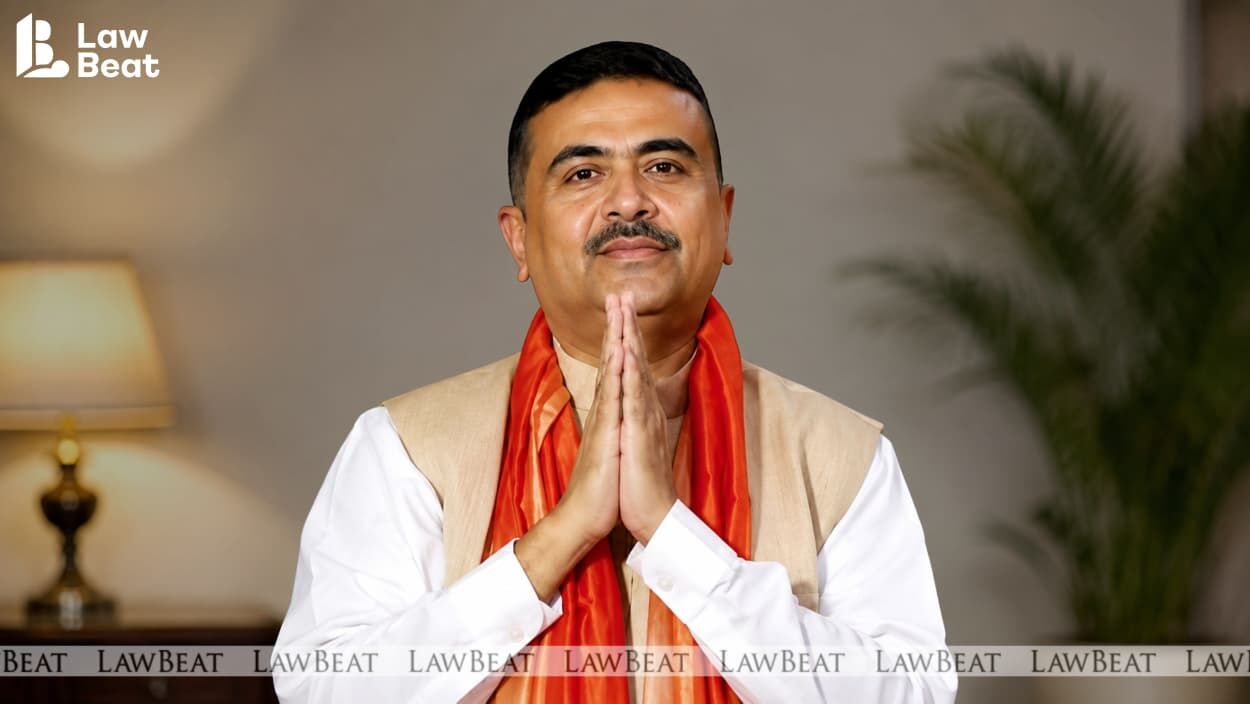
This amendment specifically addresses financial restitution for damage inflicted upon both public and private property during incidents such as riots, violent protests, arson, vandalism, and other forms of violence. Chief Minister Suvendu Adhikari announced the enforcement from the state secretariat on August 24, emphasizing that the provisions would target individuals responsible for vandalizing government property and assaulting police personnel on duty. He clarified that the state intends not only to prosecute offenders but also to recoup the financial losses incurred.
It is important to note that while this amendment is now active, a separate piece of legislation, the WB Public Safety and Control of Anti-Social Activities Bill, 2026, which contains provisions for preventive detention and externment, is still awaiting Presidential assent. The state government views both measures as integral parts of its comprehensive West Bengal anti-goonda law framework.
Statutory Mechanism for Compensation and Recovery
The newly enacted West Bengal property damage recovery law establishes a robust statutory mechanism for assessing property damage and subsequently recovering compensation from those deemed responsible. A dedicated Claims Commission will be formed under the amended law, tasked with evaluating losses resulting from damage to public and private property in incidents falling under the legislation's purview. This includes damage caused during riots, arson, vandalism, violent protests, and other anti-social activities.
The legislation permits the recovery of assessed amounts from individuals within its statutory framework, encompassing not only those directly responsible for the violence but also those found to have instigated or financed such activities. Should the determined compensation amount remain unpaid, the law provides for statutory recovery methods, including the attachment and auction of property. The state government's stated objective behind this initiative is to ensure that the financial burden stemming from the destruction of public assets does not ultimately fall upon the public exchequer.
Enhanced Penalties for Government Property Damage
A significant aspect of the new West Bengal public property damage compensation framework is the imposition of substantially higher penalties for damage to government assets. Chief Minister Adhikari explicitly stated that individuals found responsible for damaging government property would be liable to pay compensation equivalent to three times the value of the damage, in addition to interest. This provision aims to deter attacks on state infrastructure and resources.
Adhikari cited specific examples to illustrate the intended scope of these newly enforced provisions, including the vandalism of government property, assaults on police personnel, and damage to government establishments such as police stations and block-level offices. He underscored that attacks on police personnel performing their duties would trigger prompt legal action. This approach signifies that financial recovery will now run concurrently with criminal action against individuals involved in violent or destructive activities, bolstering the state's efforts to recover costs of violence in West Bengal.
Broader Implications for Public Order
The West Bengal Maintenance of Public Order Amendment Act, 2026, represents a strategic move by the state government to strengthen public order and deter violence. By establishing a clear and stringent mechanism for financial recovery, the administration aims to create a stronger disincentive against acts of vandalism and destruction. The emphasis on triple compensation for government property West Bengal highlights a particular focus on protecting state assets and ensuring accountability for their damage.
This measure is presented as part of a broader effort to safeguard public property and maintain peace. The Chief Minister's warnings regarding swift legal action for attacks on police personnel further underscore the government's commitment to upholding law and order. The creation of the Claims Commission West Bengal is central to this new framework, providing a dedicated body to manage and enforce these recovery provisions effectively.
Practical Implications
This new law establishes a statutory mechanism for recovering compensation for property damage during public disorder, including a Claims Commission and significant financial penalties (up to triple for government property). Lawyers must advise clients on potential liabilities arising from involvement in protests or incidents causing damage, and prepare for defending claims under this new framework.
Source
Source: Original reporting via Live Law
How does this affect you?
Get an AI analysis of this article grounded in your jurisdictions, practice areas, and any policy documents you've uploaded to Wansom.
Wansom is AI and can make mistakes.