
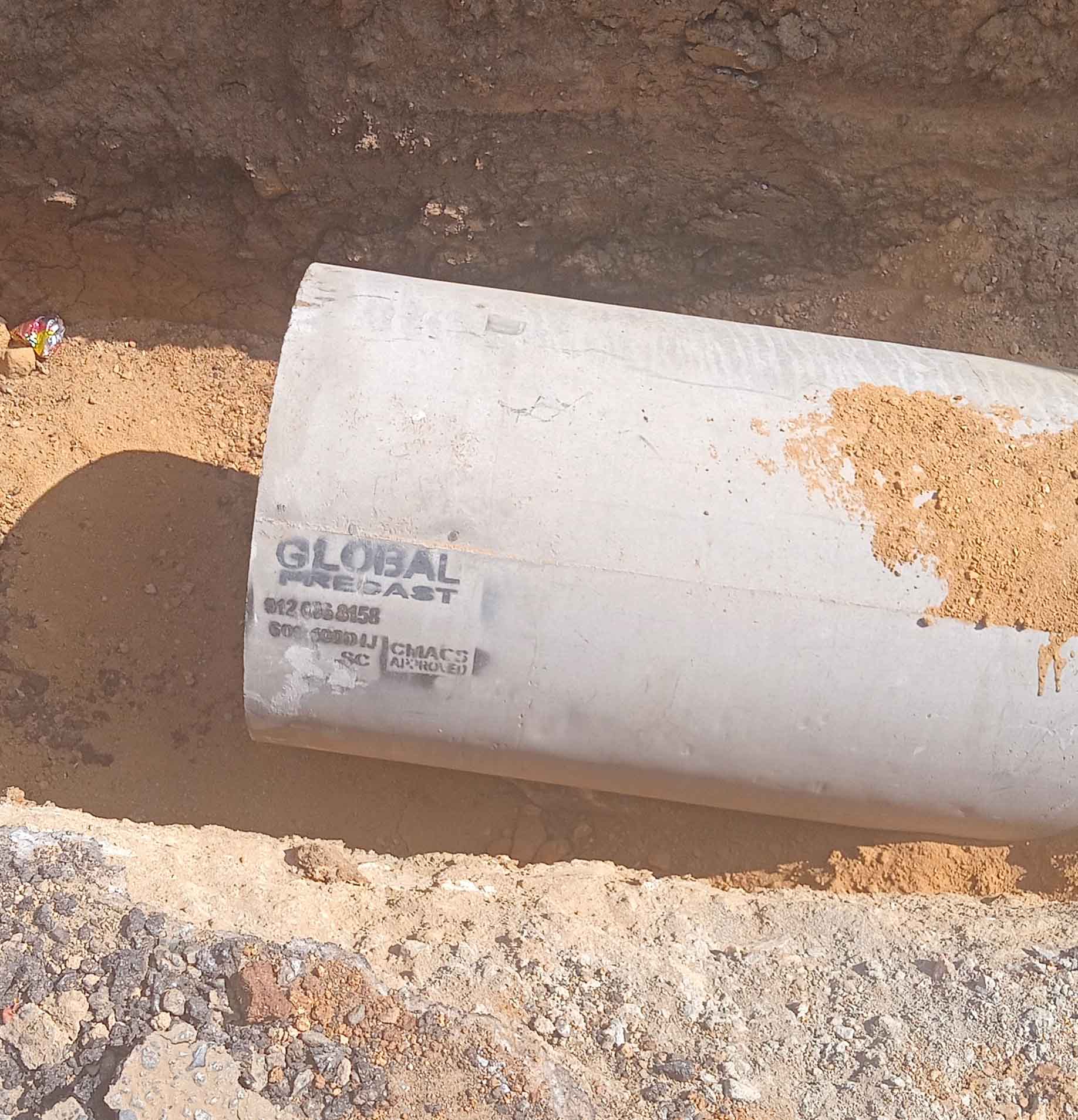
WBHO-J&E Construction Eswatini: Concrete Imports Revealed for Manzini Mall
Summary
- WBHO-J&E Construction has been found importing concrete material into Eswatini.
- These imports are for the Manzini Mall and Bus Rank redevelopment project.
- Eswatini has large-scale local manufacturing capabilities for precast material and cement articles.
- The discovery was made through an undercover investigation by the Times of Eswatini SUNDAY.
- The practice raises questions about adherence to local content policies in construction.
Investigation Reveals Concrete Imports
Prioritizing imported materials over readily available local capacity can lead to significant public scrutiny and potential regulatory challenges, particularly in an environment where Eswatini construction material imports are under increasing examination.
An investigation conducted by the Times of Eswatini SUNDAY has brought to light that the joint venture WBHO-J&E Construction is currently bringing concrete material into Eswatini. These WBHO-J&E Construction Eswatini concrete imports are reportedly being utilized for the significant Manzini Mall Bus Rank redevelopment project, a key infrastructure development in the region. The findings emerged from an undercover probe, drawing attention to procurement practices on major infrastructure developments within the country and the sourcing of essential building components.
The revelation specifically concerns the importation of concrete, a fundamental construction material critical for large-scale projects. This practice by WBHO-J&E Construction for the Manzini Mall and Bus Rank redevelopment raises questions, particularly given the broader economic context of Eswatini's construction sector and the national emphasis on supporting local industries. The investigation did not specify the volume or frequency of these imports, but confirmed the material's foreign origin.
Local Manufacturing Capacity Overlooked
The decision by WBHO-J&E Construction to import concrete material for the Manzini Mall Bus Rank redevelopment project occurs against a backdrop of substantial local manufacturing capabilities within Eswatini. The nation possesses a robust industry for producing precast material and various articles made from cement, with these products being manufactured on a considerable scale within the nation's borders by local enterprises.
This established local capacity for precast material Eswatini manufacturing suggests that readily available domestic alternatives exist for the types of concrete materials reportedly being imported. The situation underscores a potential disconnect between the procurement strategies of major construction firms, such as WBHO-J&E Construction Eswatini, and the established local supply chain. This dynamic is often a central focus of Eswatini local content policy construction initiatives, which aim to foster national economic growth and job creation by encouraging the use of locally produced goods and services in major projects.
Compliance and Strategic Procurement
For construction companies operating in Eswatini, including joint ventures like WBHO-J&E Construction, these findings highlight the critical importance of scrutinizing procurement policies and supply chain practices. Compliance officers and legal counsel within these organizations should proactively review their sourcing strategies to ensure strict adherence to local content requirements, especially when undertaking large-scale public or private infrastructure projects such as the Manzini Mall Bus Rank redevelopment. This proactive approach is essential to align with national economic objectives and avoid potential pitfalls.
Prioritizing imported materials over readily available local capacity can lead to significant public scrutiny and potential regulatory challenges, particularly in an environment where Eswatini construction material imports are under increasing examination. Ensuring that procurement decisions align with national development goals and local content policies is paramount to maintaining good corporate standing, fostering community trust, and mitigating risks associated with adverse publicity or official inquiries regarding sourcing practices. Companies are encouraged to explore local manufacturing options for materials like precast concrete to support the domestic economy.
Practical Implications
Compliance officers and legal counsel for construction companies operating in Eswatini should review their procurement policies and supply chain practices to ensure adherence to local content requirements, especially for large-scale projects, to avoid public scrutiny and potential regulatory challenges related to prioritizing imported materials over local capacity.
Source
How does this affect you?
Get an AI analysis of this article grounded in your jurisdictions, practice areas, and any policy documents you've uploaded to Wansom.
Finish Reading the Full Story and the Expert Analysis.
Get the latest legal & regulatory intelligence in Eswatini
Wansom is AI and can make mistakes.