
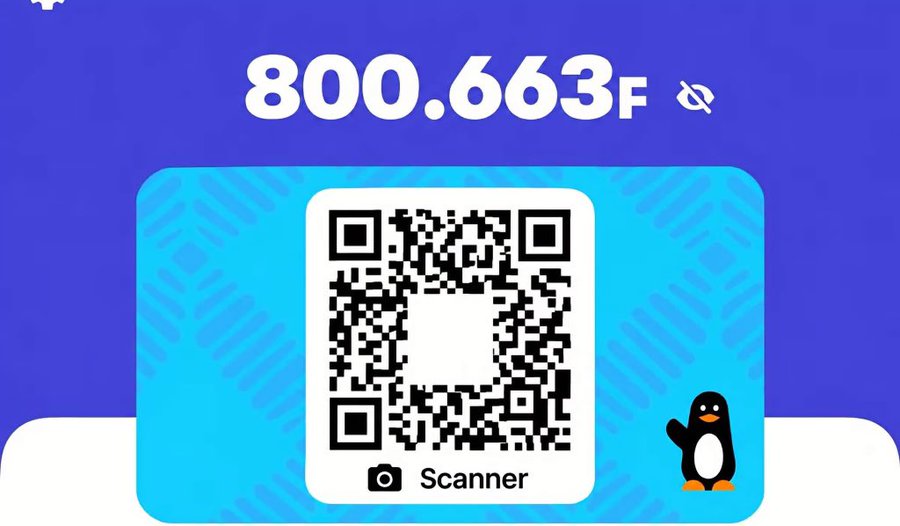
Senegal: Cybersecurity Agent Loses Salary to Wave Fraud
Summary
- Wave accounts in Senegal are experiencing widespread fraudulent withdrawals.
- Victims report their funds being taken without identifying information for the perpetrators.
- A member of Senegal's special cybersecurity brigade lost his salary to this fraud.
- A formal complaint regarding these incidents has been announced.
Escalating Mobile Money Fraud in Senegal
The fact that individuals with a deep understanding of digital threats can fall victim underscores the difficulty ordinary users face in safeguarding their mobile money accounts.
Reports are emerging from Senegal detailing a surge in fraudulent withdrawals from Wave mobile money accounts. Numerous users have come forward, describing instances where their funds were illicitly accessed and removed by unknown individuals. A critical aspect of these incidents is the reported inability of victims to obtain sufficient information that would allow them to identify the phone numbers or entities responsible for these unauthorized transactions. This lack of transparency leaves account holders without clear avenues to trace the perpetrators or recover their lost funds.
The gravity of this situation is underscored by a particularly alarming case involving an agent from Senegal's special cybersecurity brigade. This individual, whose professional expertise lies in digital security, has reportedly become a victim of these very scams. He claims to have suffered a significant financial loss, specifically stating that his entire salary was fraudulently withdrawn from his Wave account. This incident highlights the pervasive nature of the fraud, demonstrating that even those with specialized knowledge in cybersecurity are not immune to these sophisticated schemes. In response to these widespread issues, a formal complaint has been announced, signaling a move towards seeking redress and accountability for the affected users.
Vulnerability in the Digital Financial Landscape
The targeting of a cybersecurity expert in a mobile money scam in Senegal serves as a stark indicator of the evolving challenges within the digital financial services sector. This incident, where an agent from the special cybersecurity brigade lost his salary through fraudulent withdrawals from his Wave account, suggests a level of sophistication in these scams that can bypass even trained vigilance. It brings into sharp focus the vulnerabilities inherent in digital payment systems and the critical need for robust consumer protection mechanisms. The fact that individuals with a deep understanding of digital threats can fall victim underscores the difficulty ordinary users face in safeguarding their mobile money accounts.
This particular case amplifies concerns about financial crime in digital payments across Senegal and the broader African continent. As mobile money platforms like Wave become increasingly integral to daily financial transactions, ensuring their security and user trust is paramount. The reported lack of identifiable information for the fraudulent transactions further complicates efforts to combat these crimes, placing a significant burden on victims and potentially eroding confidence in digital financial services.
Demands for Accountability and Enhanced Security
The announced complaint following these widespread fraudulent withdrawals from Wave accounts in Senegal signals a growing demand for accountability from mobile money operators and a call for stronger consumer protection. When users, including a cybersecurity brigade agent who lost his salary, are unable to identify the perpetrators or recover their funds, it points to potential gaps in the security protocols or transparency measures of the service providers. This situation necessitates a re-evaluation of how digital financial platforms handle security, fraud detection, and customer support in the face of increasingly prevalent mobile money fraud.
For legal recourse to be effective, there must be clear pathways for victims to report fraud, obtain necessary transaction details, and pursue justice. The incidents highlight the need for operators to not only implement advanced cybersecurity measures but also to provide accessible and efficient mechanisms for users to address fraudulent activity. Strengthening these frameworks is crucial for maintaining public trust in digital payments and ensuring that the benefits of financial inclusion are not undermined by the risks of financial crime.
Practical Implications
This development signals an increasing prevalence of mobile money fraud in Senegal, even affecting those with cybersecurity expertise. Lawyers should anticipate a rise in client inquiries regarding fraudulent transactions and potential legal recourse against mobile money operators, while compliance officers must review and strengthen their fraud detection, prevention, and customer protection frameworks for digital financial services.
Source
How does this affect you?
Get an AI analysis of this article grounded in your jurisdictions, practice areas, and any policy documents you've uploaded to Wansom.
Finish Reading the Full Story and the Expert Analysis.
Get the latest legal & regulatory intelligence in Senegal
Wansom is AI and can make mistakes.