
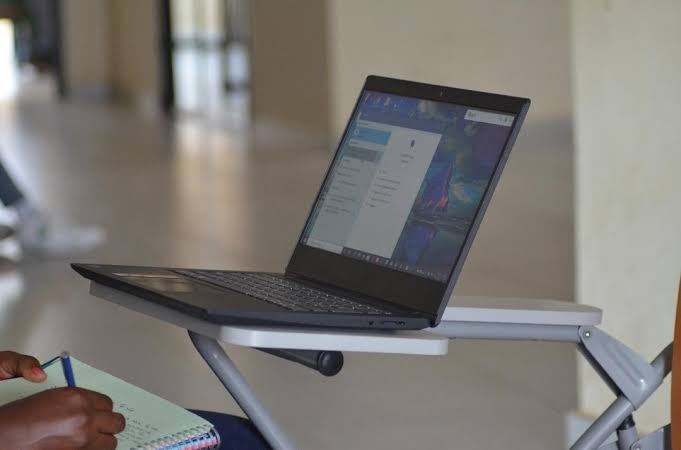
Senegal: 'Un étudiant, un ordinateur' Defective Computers Inquiry Reveals Fraud
Summary
- A parliamentary inquiry in Senegal is investigating the "Un étudiant, un ordinateur" program for alleged irregularities.
- Testimony indicates 2,000 computers attributed to Oumou Group were never delivered, despite a signed delivery note.
- Over 800 computers that were paid for and delivered under the program have reportedly been found to be defective.
- Procurement irregularities include a former coordinator's lack of knowledge about the contract and an unsuitable expression of interest notice identified by ARCOP.
- The program, launched in 2017, has an estimated cost of 48 billion CFA francs and faces intense scrutiny over its execution.
Senegal's Computer Program Under Scrutiny
This inquiry highlights significant public procurement risks and potential irregularities in government contracts within Senegal, drawing intense scrutiny on contract execution and quality assurance.
A parliamentary inquiry is currently underway in Senegal, delving into significant issues surrounding the national "Un étudiant, un ordinateur" program. This initiative, which aims to provide computers to students, is now facing allegations of widespread irregularities, including the non-delivery of thousands of units and the distribution of numerous defective devices. The ongoing Senegal 'Un étudiant, un ordinateur' defective computers inquiry highlights critical concerns regarding public procurement and contract execution.
Reports indicate that more than 800 computers, despite being paid for and delivered, have been found to be defective. Furthermore, a substantial number of machines—specifically 2,000 units—listed on a delivery note attributed to Oumou Group, are alleged by program agents to have never actually reached their intended recipients. These revelations, initially reported by XalimaSN, form a central part of the parliamentary commission's investigation.
Testimony Reveals Delivery Discrepancies
Key testimonies before the parliamentary commission have shed light on the alleged non-delivery of the 2,000 computers. Mamadou Sow, an employee of the program (previously known as "Sama PC"), informed investigators that he was given a delivery note in November 2024 with instructions to sign it. Sow asserts that he possesses evidence concerning the circumstances of this signature and intends to provide it to the commission.
Another program employee, Serigne Abo Wade, corroborated these claims, stating unequivocally that no machines from Oumou Group were ever received. The Mamadou Sow Serigne Abo Wade testimony directly challenges the validity of the delivery documentation and raises serious questions about the Oumou Group computer delivery Senegal was expecting.
Procurement Irregularities and Oversight Failures
Beyond the issues of missing and defective hardware, the inquiry has uncovered significant irregularities in the procurement process itself. Ndèye Sine Diop, who formerly coordinated the Ministry of Higher Education's Procurement Unit, stated that she had no knowledge of the contract in question. Furthermore, this specific contract was reportedly not recorded in her official handover report, indicating a potential breakdown in administrative oversight and raising questions about Ndèye Sine Diop contract knowledge.
The Public Procurement Regulatory Authority (ARCOP) has also identified concerns. On October 5, 2026, Seynabou Samb Tosco, coordinator of ARCOP's inquiry cell for the 2025 contract, declared that the expression of interest notice utilized for acquiring the computers was not appropriate for this type of market. These ARCOP 'Un étudiant, un ordinateur' irregularities underscore systemic issues within the Senegal parliamentary inquiry computer program, which has been deployed since 2017 and carries an estimated total cost of 48 billion CFA francs.
Broader Implications for Public Contracts
The ongoing hearings, which commenced on Monday, October 5, are part of a broader effort to establish the facts surrounding the program's execution. The commission has emphasized its commitment to uncovering the truth without prematurely assigning blame or presuming responsibilities. It has also been noted that not all individuals and companies implicated in the testimonies have yet had the opportunity to present their side.
This inquiry highlights significant public procurement risks and potential irregularities in government contracts within Senegal, drawing intense scrutiny on contract execution and quality assurance. The intense parliamentary and regulatory oversight suggests a heightened risk of investigation and legal action for non-compliance or fraudulent practices, serving as a critical reminder for all parties involved in public tenders in Senegal.
Practical Implications
This article highlights significant public procurement risks and potential irregularities in government contracts in Senegal. Lawyers advising clients on public tenders or compliance officers managing procurement processes should note the intense parliamentary and regulatory scrutiny (ARCOP) on contract execution, delivery, and quality assurance, indicating a heightened risk of investigation and legal action for non-compliance or fraudulent practices.
Source
Source: Original reporting via XalimaSN
How does this affect you?
Get an AI analysis of this article grounded in your jurisdictions, practice areas, and any policy documents you've uploaded to Wansom.
Finish Reading the Full Story and the Expert Analysis.
Get the latest legal & regulatory intelligence in Senegal
Wansom is AI and can make mistakes.