
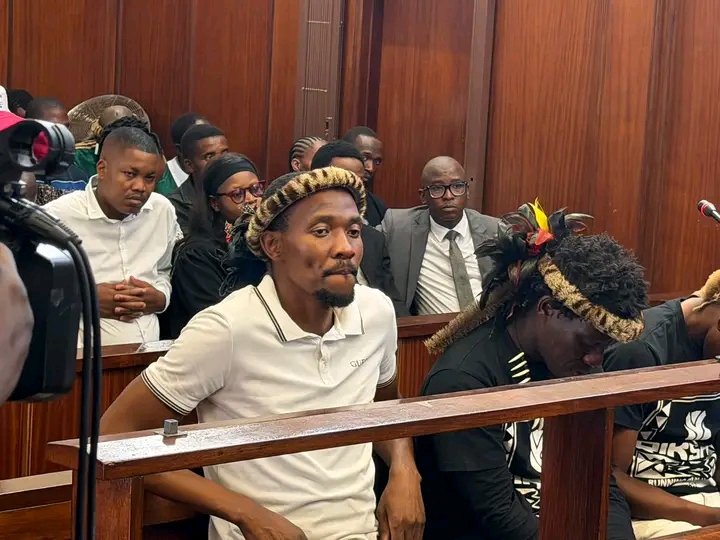
Zambia National Parole Board: Wandile Nsibande Parole Revoked, Returns to Prison
Summary
- March and March activist Wandile Nsibande has had his parole revoked.
- The National Parole Board reportedly made the decision.
- Nsibande must return to prison to serve the remaining portion of his sentence.
- His initial arrest was connected to the October March and March event.
What Happened
This case highlights the discretionary powers of the National Parole Board in Zambia and the legal grounds for parole revocation, which legal practitioners should consider when advising clients on post-conviction matters or challenging such decisions.
March and March activist Wandile Nsibande is set to return to incarceration following the reported withdrawal of his parole. The decision, attributed to the National Parole Board, mandates that Nsibande complete the outstanding portion of his original sentence in prison.
This development means the activist's period of conditional release has concluded prematurely. Nsibande was initially taken into custody during the October March and March event, which led to his subsequent conviction and eventual parole. The recent Zambian parole withdrawal effectively reverses his temporary freedom, necessitating his return to a correctional facility.
Legal Context
The National Parole Board of Zambia holds the authority to grant and, as demonstrated in this instance, revoke parole for individuals serving sentences. Parole represents a conditional release from prison, allowing an offender to serve part of their sentence in the community under specific terms and supervision. The withdrawal of such a privilege typically occurs when the Board determines that the conditions of parole have been violated or that the individual no longer meets the criteria for community supervision.
Decisions by the National Parole Board are often discretionary, based on a comprehensive review of an individual's conduct, adherence to parole terms, and any new information that may come to light. While the specific grounds for the Zambian parole withdrawal in Nsibande's case have not been detailed, such actions underscore the Board's power to reassess and alter an individual's custodial status, leading to an Nsibande prison return if deemed necessary.
Why It Matters
The revocation of Wandile Nsibande's parole carries significant implications, not only for the activist himself but also for the broader understanding of parole conditions and the authority of the National Parole Board in Zambia. His mandated prison return highlights the stringent nature of parole agreements and the potential consequences of non-compliance or re-evaluation by the supervising body.
This case highlights the discretionary powers of the National Parole Board in Zambia and the legal grounds for parole revocation, which legal practitioners should consider when advising clients on post-conviction matters or challenging such decisions. It serves as a stark reminder that parole is a privilege, not an absolute right, and can be rescinded, leading to the completion of a sentence within the correctional system.
Practical Implications
This case highlights the discretionary powers of the Correctional Supervision and Parole Board in Zambia and the legal grounds for parole revocation, which legal practitioners should consider when advising clients on post-conviction matters or challenging such decisions.
Source
How does this affect you?
Get an AI analysis of this article grounded in your jurisdictions, practice areas, and any policy documents you've uploaded to Wansom.
Finish Reading the Full Story and the Expert Analysis.
Get the latest legal & regulatory intelligence in Zambia
Wansom is AI and can make mistakes.