
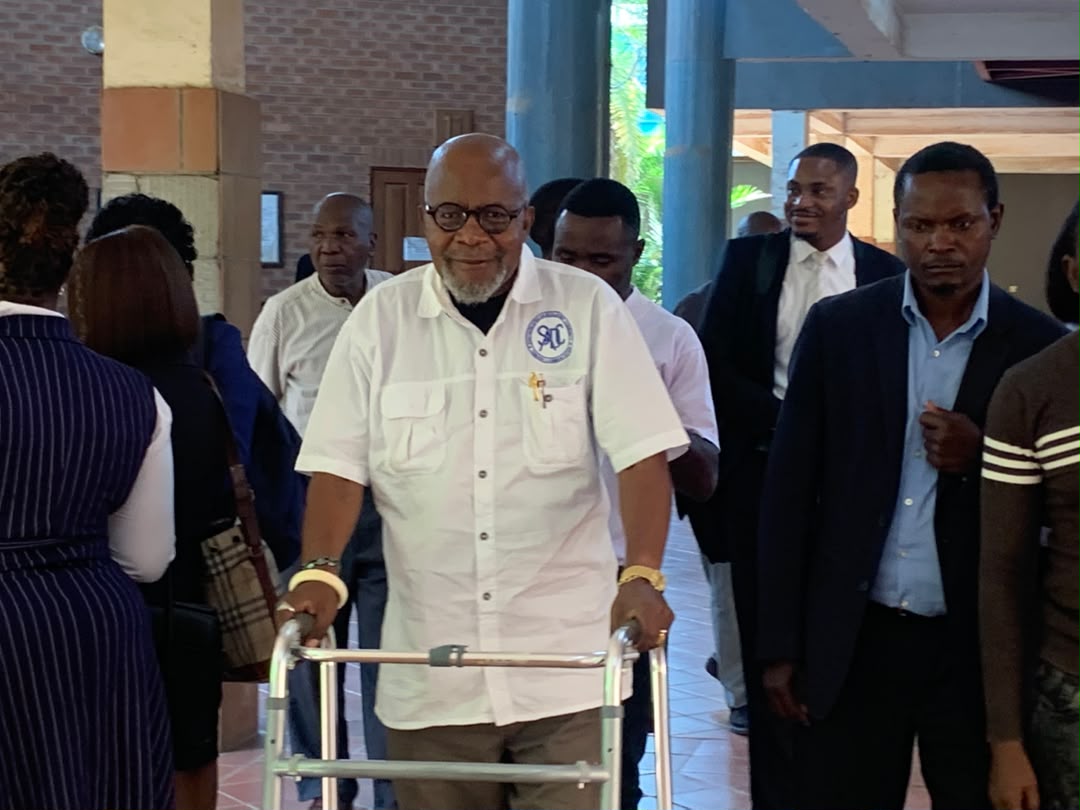
Lusaka Court: Katele Kalumba Video Not AI, Expert Confirms No Manipulation
Summary
- A digital forensic analyst testified in the Lusaka Magistrates Court that a video featuring Dr. Katele Kalumba was not created using artificial intelligence.
- The video shows former Finance Minister Dr. Katele Kalumba making threatening statements against President Hakainde Hichilema.
- Senior Superintendent Nyambe Muyunda, a 43-year-old digital forensic analyst, provided the expert testimony.
- This finding is crucial for establishing the authenticity of the video evidence in court.
- The case highlights the growing importance of digital forensics in verifying video evidence in Zambian legal proceedings.
Court Hears Digital Forensics on Kalumba Video
Senior Superintendent Muyunda’s analysis concluded that no artificial intelligence (AI) was utilized in the creation or manipulation of the video.
At the Lusaka Magistrates Court, a significant development unfolded regarding the authenticity of a video featuring former Finance Minister Dr. Katele Kalumba. The court received expert testimony from Senior Superintendent Nyambe Muyunda, a 43-year-old digital forensic analyst, who presented findings on the controversial footage. This testimony is crucial in a case where the video depicts Dr. Kalumba making statements that have been described as threatening towards President Hakainde Hichilema.
Senior Superintendent Muyunda’s analysis concluded that no artificial intelligence (AI) was utilized in the creation or manipulation of the video. This finding directly addresses potential questions about the video's integrity and whether its content might have been fabricated or altered using advanced technological means. The expert’s declaration provides a clear stance on the technical origins of the video evidence presented before the court.
The Role of Digital Forensics in Zambian Courts
The proceedings at the Lusaka Magistrates Court underscore the increasing reliance on specialized digital forensic analysis in contemporary legal battles, particularly when dealing with video evidence. In an era where deepfake technology and AI-generated content are becoming more sophisticated, the authentication of digital media is paramount for ensuring fair and accurate judicial outcomes. The testimony provided by Senior Superintendent Muyunda highlights the critical role that digital forensics court testimony plays in verifying the genuineness of such evidence.
This case sets a precedent for how courts in Zambia approach the question of AI video authenticity. The meticulous examination conducted by experts like Nyambe Muyunda is essential for distinguishing between genuine recordings and potentially manipulated content. Such expert opinions are vital for judges and juries to make informed decisions, especially when the credibility of key evidence, such as the Katele Kalumba threatening HH video, is under scrutiny.
Implications of the 'Not AI' Finding
The determination that the Katele Kalumba video is not AI-generated carries substantial implications for the ongoing legal matter. It effectively dismisses any claims that the footage might be a product of artificial intelligence, thereby strengthening its potential as admissible evidence. This finding means that the statements attributed to Dr. Kalumba in the video are considered to be an authentic representation of his actions and words, free from technological fabrication.
For legal practitioners and the public, this development reinforces the importance of robust digital evidence protocols. It demonstrates that while concerns about AI manipulation are valid, expert analysis can definitively establish the veracity of digital media. The court’s acceptance of this digital forensic assessment regarding the Katele Kalumba video not AI-generated content will likely influence how similar video evidence is handled in future cases across Zambia.
Practical Implications
This development highlights the increasing reliance on digital forensic analysis in Zambian courts to authenticate video evidence, particularly in cases involving claims of AI manipulation. Lawyers should note the precedent set for admitting and assessing such evidence, requiring careful consideration of digital evidence integrity and expert testimony in their litigation strategies.
Source
How does this affect you?
Get an AI analysis of this article grounded in your jurisdictions, practice areas, and any policy documents you've uploaded to Wansom.
Finish Reading the Full Story and the Expert Analysis.
Get the latest legal & regulatory intelligence in Zambia
Wansom is AI and can make mistakes.