
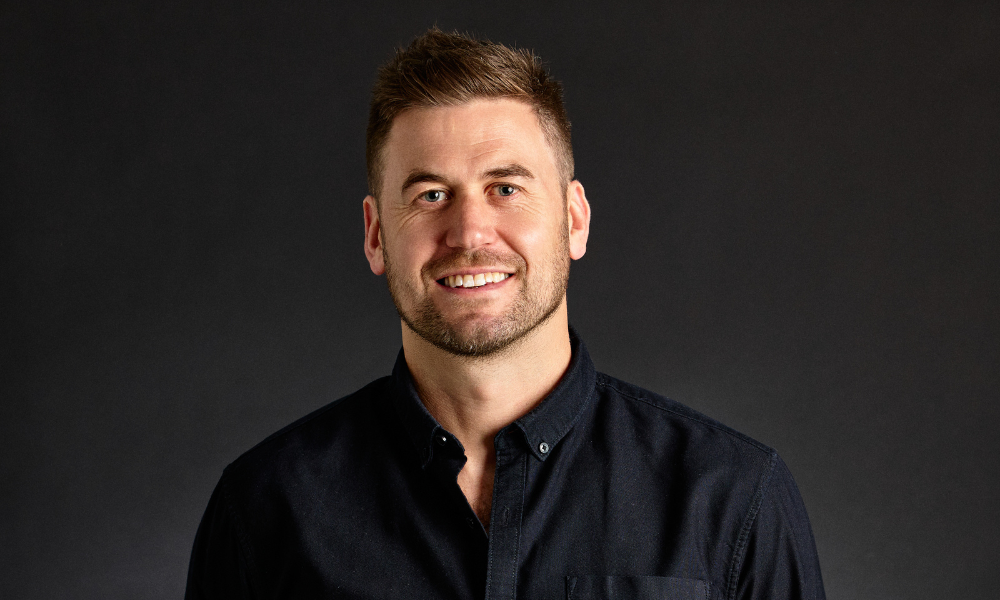
Marcus Walkom: Australian AI Copyright Threatens Creative Industries
Summary
- Entertainment lawyer Marcus Walkom warns that limited AI regulation threatens Australia's creative industries by enabling exploitation of works without consent or fair compensation.
- Australia's regulatory approach relies on existing frameworks rather than a standalone AI statute, leading to a slow pace of development compared to AI advancements.
- The government's National AI Plan focuses on adoption and safety but lacks specific protections for creative works, leaving the sector largely unregulated.
- Urgent practical questions involve identifying AI training data, securing permissions, controlling usage, sharing revenue, and informing audiences about AI-generated content.
- Walkom advocates for government support through legislation to prevent widespread unauthorized use of copyrighted materials, especially since existing works have already been used to train AI models.
The AI Challenge to Australian Creative Industries
He suggests that legislative action could be instrumental in preventing the widespread, unauthorized use of copyright-protected materials by AI systems.
Marcus Walkom, a prominent entertainment lawyer and head of Walkom Entertainment Lawyers, frequently navigates the intricate intersection of artistic endeavor and commercial realities. His practice is dedicated to advocating for creative professionals who enrich lives through their artistic contributions. Central to Marcus Walkom's AI copyright views is his concern that the rapid advancement of artificial intelligence, particularly in the absence of adequate regulatory frameworks, poses a significant threat to this sector. He contends that while innovation is crucial, it should not compel creators to undervalue their own work.
Walkom emphasizes a critical distinction for policymakers: AI tools that enhance productivity should be separated from AI models or outputs that exploit creative works without proper consent, transparency, or fair compensation. He acknowledges the immense opportunities AI presents for the creative industries but stresses that these opportunities are accompanied by an even greater imperative to establish robust safeguards and policies. These measures are essential to adequately protect Australia's creative sector from potential harm.
One immediate consequence of AI's proliferation, according to Walkom, is the lowering of entry barriers within the creative industry, leading to a deluge of what he terms "slop" onto various platforms. This influx intensifies competition in an already crowded market, where creative individuals are constantly vying for the attention and financial support of fans and consumers. This scenario underscores the pressing need for a thoughtful approach to Australian AI copyright creative industries.
Australia's Regulatory Stance on AI and Intellectual Property
Australia has adopted a distinct approach to AI regulation, choosing not to implement a standalone statute akin to those seen in other jurisdictions, such as the European Union. While the nation has primarily explored how existing legal and regulatory frameworks can address the challenges posed by AI, Prime Minister Albanese announced on July 15, 2026, plans to legislate Australian Standards for AI and establish an Office of AI, with legislation expected in early 2027, signaling a shift towards a more targeted mandatory framework. This indicates a faster pace of regulatory development than previously observed, aiming to address the gap in oversight for Australian AI regulation in creative works.
The Australian government's National AI Plan primarily focuses on promoting AI adoption, enhancing capabilities, and ensuring safety, a strategy supported by the establishment of an Australian AI Safety Institute. Yet, Walkom cautions that within this fast-moving technological landscape, the country remains largely unregulated, especially concerning the specific protections required for creative industries. This lack of tailored regulation leaves Australian intellectual property AI vulnerable to exploitation, despite the National AI Plan's broader objectives.
This regulatory lag means that critical issues surrounding the use of creative works by AI models are not being adequately addressed at a legislative level. The existing frameworks were not designed with AI's unique capabilities for content generation and data exploitation in mind, leading to a situation where the creative sector faces novel challenges without clear legal recourse.
Urgent Questions and the Path Forward for Creative Works
The most pressing questions for the creative sector, according to Walkom, are practical in nature and directly relate to AI content exploitation Australia. These include determining the origin of human-generated material used to train AI models, verifying whether appropriate permissions were secured for such use, establishing mechanisms for creators to control how their works are utilized, and defining equitable methods for revenue sharing. Furthermore, there is a critical need to address how audiences can identify or be informed about content that has been generated by AI.
A significant concern is that a vast amount of existing creative works has already been incorporated into AI training datasets. Consequently, Walkom argues that future regulation must prioritize the protection of creative output moving forward, rather than attempting to retroactively address past uses. Currently, many of these complex issues are being tackled through direct negotiations between major rightsholders, such as record labels and publishers, and the various AI platform providers.
Walkom expresses hope that the Australian government will actively support the creative industries in these ongoing negotiations. He suggests that legislative action could be instrumental in preventing the widespread, unauthorized use of copyright-protected materials by AI systems. Such measures would provide much-needed clarity and protection for creators, ensuring that the benefits of AI innovation do not come at the expense of artistic integrity and fair compensation within the creative sector.
Practical Implications
Lawyers advising creative industry clients in Australia should assess copyright risks from AI exploitation and monitor legislative developments for new protections against unauthorized AI use of creative works. Compliance officers should evaluate AI model training data for potential copyright infringement risks.
Source
How does this affect you?
Get an AI analysis of this article grounded in your jurisdictions, practice areas, and any policy documents you've uploaded to Wansom.
Finish Reading the Full Story and the Expert Analysis.
Get the latest legal & regulatory intelligence in Australia
Wansom is AI and can make mistakes.