
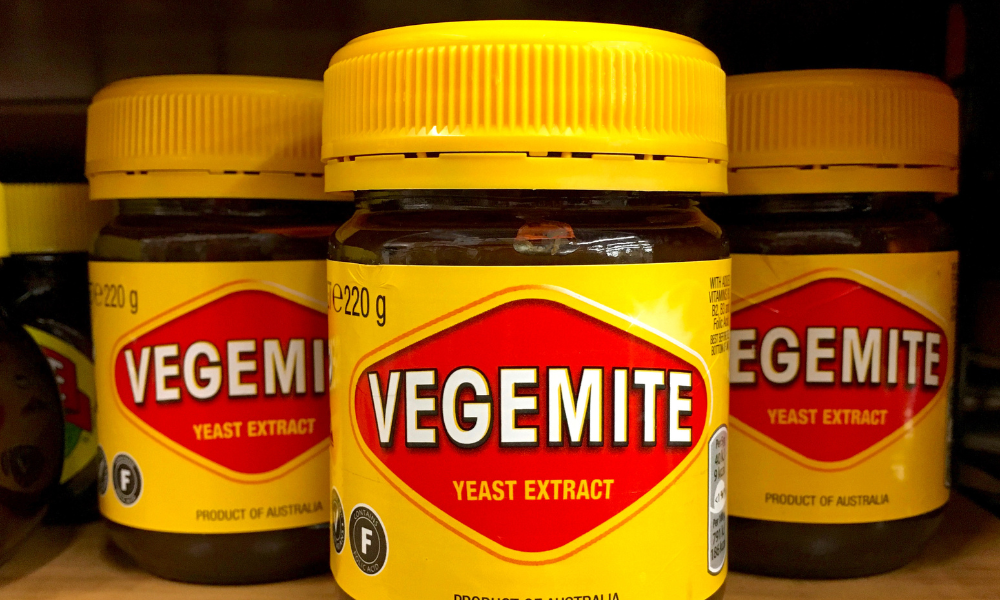
Victoria Supreme Court Denies Inmate Vegemite Access
Authorities argued that the spread, which contains yeast, could be used to brew alcohol Prison inmate Andre McKechnie has lost his Supreme Court of Victoria bid to gain access to Vegemite, reported The Associated Press . The state has prohibited prisoners from being given the yeast-based spread for two decades, in line with the push to eliminate illegal drugs and alcohol from the prison system. Prison officials told the court in July that Vegemite had the potential to affect sniffer dogs’ narcotics detection ability. Moreover, the spread’s yeast content meant it could be used to brew alcohol, said state prison department manager Kevin White. White pointed to public research findings that the use of Vegemite accelerated the fermentation of home-brewed beer. In a snippet of court documents published by AP News , McKechnie argued that the block on Vegemite represented a violation of his human right to “enjoy his culture as an Australian in the community with other persons of Australian background”, citing the Charter of Human Rights and Responsibilities Act. He pointed out that NSW allowed Vegemite, proving that “less restrictive means” were “reasonably available” to accomplish prison authorities’ objectives. He added that according to a 2017 article that appeared in a Melbourne newspaper, Vegemite’s smell could not be used to hide illegal drugs, as evidenced by a man’s failed attempt to smuggle drugs into a music festival. McKechnie, who was self-represented, had also told the court that his vitamin B1 deficiency was partially caused by his inability to access Vegemite, which has been advertised as being full of B vitamins. The spread, he said, was a key daily source of thiamine for him, being a Jew who was kosher. The prison authorities’ lawyers pushed back against this argument, causing McKechnie to drop it. McKechnie also claimed that the Vegemite ban disconnected him from family and community. He pointed to a 2003 article in the food studies journal Gastronomica that claimed Vegemite “may be the best predictor of national identity of any food in the world”, per a statement published by AP News . The article said that according to 1995 research by the Queensland University, a “taste for the spread strongly correlates with early exposure and to Australian birth and ancestry”. Supreme Court justice Claire Harris agreed that the ban restricted McKechnie’s cultural rights. However, the judge ultimately backed prison authorities. “The limitation on Mr. McKechnie’s ability to enjoy Vegemite in community with other persons of Australian background is primarily that he is a prisoner”, Harris wrote in her 26 October judgment, a snippet of which was published by AP News . She also rejected McKechnie’s evidence for Vegemite not being a detriment to sniffer dogs. McKechnie is serving a life sentence after being convicted of murder. He is incarcerated in maximum security Barwon Prison, making his court appearances via video. Subscribe to our FREE newsletter service and we’ll keep you up-to-date with the latest breaking news, cutting edge opinion, and expert analysis affecting both your business and the industry as whole. Please enter your email address below and click on Sign Up for daily newsletters from Australasian Lawyer.
How does this affect you?
Get an AI analysis of this article grounded in your jurisdictions, practice areas, and any policy documents you've uploaded to Wansom.
Finish Reading the Full Story and the Expert Analysis.
Wansom is AI and can make mistakes.