
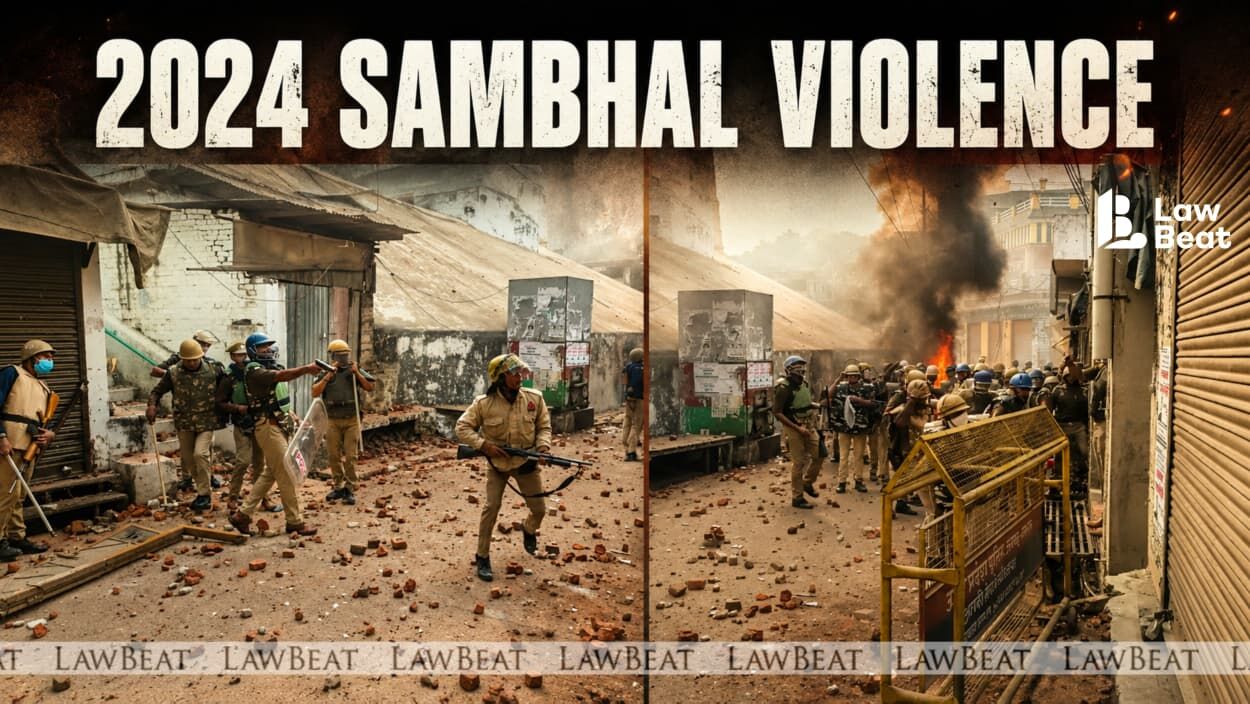
Uttar Pradesh Sambhal Violence Probe Finds Pre-planned Conspiracy Involving SP MP Zia-ur-Rehman Barq
Summary
- A Judicial Commission found that the 2024 violence in Sambhal, Uttar Pradesh was a pre-planned conspiracy involving Samajwadi Party MP Zia-ur-Rehman Barq and others.
- The commission's report alleged that those involved were unhappy with the institution of a civil suit concerning the Jama Masjid and the order passed directing a survey of the disputed site.
- Barq's statements, including his call for people to unite and gather to protect the disputed religious site, contributed to making the atmosphere 'highly volatile'.
- The alleged conspiracy was driven by political ambitions, with Barq and Suhel Iqbal seeking to maintain their 'political dominance, power and the grip over the Muslim Community'.
What Happened
The commission's report alleged that those involved were unhappy with the institution of a civil suit concerning the Jama Masjid and the order passed directing a survey of the disputed site.
A Judicial Commission tasked with investigating the 2024 violence in Sambhal, Uttar Pradesh, has concluded that the incident was a pre-planned conspiracy involving Samajwadi Party MP Zia-ur-Rehman Barq and others. The commission's report, tabled in the Uttar Pradesh Assembly on August 5, found that those involved were unhappy with the institution of a civil suit concerning the Jama Masjid and the order passed directing a survey of the disputed site. An attempt was made to disturb the survey proceedings on November 19, after which Barq addressed people outside the mosque, creating a hostile atmosphere. The commission relied on statements made by Barq, including his call for people to unite and gather to protect the disputed religious site, which contributed to making the atmosphere 'highly volatile'.
Relevant Legal/Regulatory Context
The commission's findings highlight the importance of carefully examining the motivations behind incidents like these. In this case, the alleged conspiracy was driven by political ambitions, with Barq and Suhel Iqbal seeking to maintain their 'political dominance, power and the grip over the Muslim Community'. The report also refers to political rivalry involving Barq and his late grandfather Shafiq-ur-Rehman Barq and local MLA Iqbal Mahmood. This case highlights the need for lawyers and compliance officers to be aware of the potential for pre-planned conspiracies to disrupt court proceedings, particularly in sensitive religious sites.
Why It Matters
The commission's report has significant implications for the maintenance of law and order in Uttar Pradesh. The alleged conspiracy was a 'grave and deadly threat' to national security, according to the commission. The report also raises concerns about the representation of facts to the Muslim community, with the commission alleging that Barq, Suhel Iqbal, Zafar Ali and Mashhood Ali Farooqui concealed the true nature of the court's order and the relief sought in the civil suit. This highlights the need for transparency and accurate information dissemination in such sensitive cases.
Practical Implications
Lawyers and compliance officers should be aware of the potential for pre-planned conspiracies to disrupt court proceedings, particularly in sensitive religious sites. This ruling highlights the importance of carefully examining the motivations behind such incidents and ensuring that clients are advised accordingly.
Source
How does this affect you?
Get an AI analysis of this article grounded in your jurisdictions, practice areas, and any policy documents you've uploaded to Wansom.
Wansom is AI and can make mistakes.