
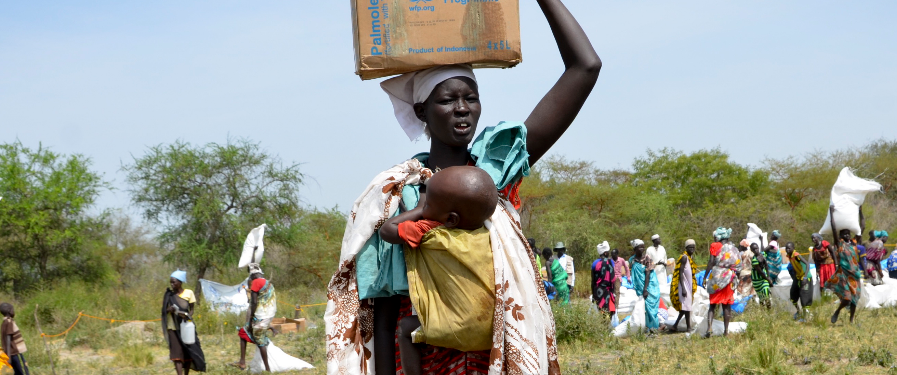
US: Threatens South Sudan Aid Sanctions for Obstruction
Summary
- The United States has warned South Sudan's transitional government about potential sanctions and visa restrictions for obstructing humanitarian aid.
- Officials at national, state, and local levels are accused of treating humanitarian assistance as a source of revenue.
- The U.S. State Department’s Bureau of African Affairs stated the government has failed to reduce risks for aid organizations, making South Sudan dangerous for workers.
- Washington, the largest aid provider, cited political violence and misuse of public revenue as key drivers of the humanitarian crisis.
- South Sudan's treatment of aid organizations will heavily influence future US foreign assistance allocation decisions.
US Issues Stern Warning to South Sudan
The United States has explicitly stated that it will deploy all available measures, including sanctions and visa restrictions, to address the pervasive impunity surrounding the obstruction of humanitarian assistance in South Sudan.
The United States has issued a strong warning to South Sudan's transitional government, indicating that it may impose sanctions and US visa restrictions on individuals found to be obstructing humanitarian assistance. This announcement, made in a statement on Sunday by the U.S. State Department’s Bureau of African Affairs, directly accuses officials at national, state, and local levels of treating aid as a source of revenue rather than a critical lifeline.
The Bureau emphasized that the South Sudanese government has consistently failed to mitigate the significant costs and inherent risks faced by humanitarian organizations operating within the country. According to the US, the transitional government has long disregarded its fundamental responsibility to create a safer and more accessible environment for those endeavoring to assist the South Sudanese population in need. These practices have contributed to South Sudan becoming one of the most perilous environments globally for humanitarian workers.
Washington, which stands as the largest provider of humanitarian assistance to South Sudan, underscored its commitment to addressing these challenges. The US explicitly stated that it will deploy all available measures, including sanctions and visa restrictions, to address the pervasive impunity surrounding the obstruction of humanitarian assistance in South Sudan. This firm stance highlights the gravity with which the US views the ongoing impediments to aid delivery.
Drivers of the Humanitarian Crisis
The United States has urged the South Sudanese government to confront what it describes as the "man-made main drivers" fueling the severe humanitarian crisis gripping the nation. These primary factors include persistent political violence and the government's failure to effectively utilize public revenue to provide essential services, respond adequately to humanitarian needs, and ensure the timely payment of public-sector salaries.
Millions of South Sudanese citizens are currently dependent on humanitarian assistance due to a confluence of factors, including ongoing conflict, widespread displacement, severe food insecurity, and extremely limited access to basic services. The dire situation underscores the urgent need for unhindered aid operations and responsible governance.
Previous documentation by the United States has detailed various restrictions that have hampered humanitarian operations in South Sudan. These documented challenges include significant difficulties in obtaining necessary travel permissions and work-related approvals for aid workers, further exacerbating the operational complexities for organizations striving to deliver aid.
Implications for Future US Engagement
The U.S. government has made it clear that South Sudan's approach to humanitarian organizations will be a critical determinant in future decisions regarding the allocation of US foreign assistance. The U.S. State Department’s Bureau of African Affairs stated that the transitional government's reluctance to act as a collaborative partner to those providing aid will heavily influence where valuable foreign assistance resources are directed globally.
This policy indicates a significant South Sudan sanctions risk assessment is underway by the US government, which will weigh the government's actions against its commitment to humanitarian principles. The US foreign assistance South Sudan policy is now directly tied to the government's willingness to facilitate, rather than obstruct, aid efforts. The United States is signaling that continued obstruction will have tangible consequences for the level and nature of its support.
By threatening sanctions and visa restrictions, the US aims to dismantle the culture of impunity that has allowed the obstruction of humanitarian aid to persist. This strategic move is intended to compel accountability from officials at all levels who are implicated in hindering life-saving assistance, thereby impacting the overall US foreign assistance South Sudan policy and potentially leading to targeted US visa restrictions South Sudan officials might face.
Practical Implications
Compliance officers and legal counsel should assess clients' exposure to potential US sanctions and visa restrictions related to South Sudan's humanitarian aid obstruction. This includes identifying individuals or entities involved in government dealings or aid operations that may be targeted by these new measures.
Source
How does this affect you?
Get an AI analysis of this article grounded in your jurisdictions, practice areas, and any policy documents you've uploaded to Wansom.
Finish Reading the Full Story and the Expert Analysis.
Get the latest legal & regulatory intelligence in South Sudan
Wansom is AI and can make mistakes.