
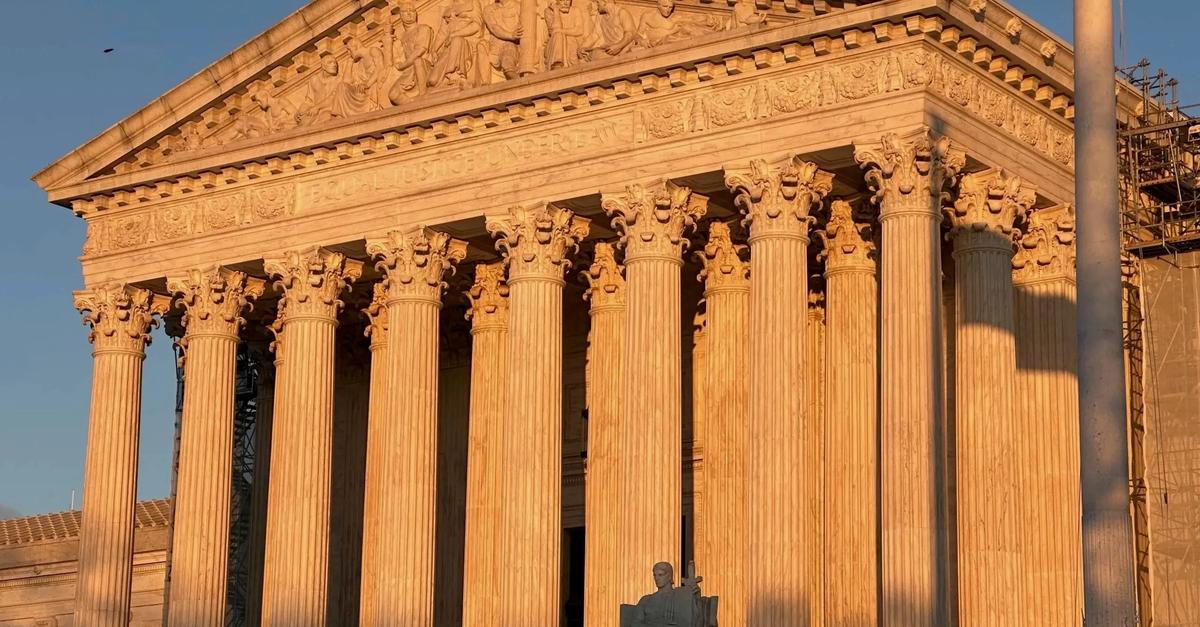
US Supreme Court Reform Proposals: Key Arguments for Change
Summary
- Critics argue the Supreme Court is overreaching its power, undermining democracy, and facilitating executive overreach through rulings and shadow docket interventions.
- Proposed reforms include implementing term limits for justices, increasing the number of justices, and narrowing the Court's jurisdiction.
- Opponents contend that reforming the Court in response to unpopular decisions inappropriately politicizes and undermines judicial independence.
- Concerns exist that restructuring the judiciary in a polarized environment could lead to a 'political tit-for-tat' where parties add seats.
- It is considered a mistake to believe the Court's work is so apolitical that reforms are inherently unsuitable, as constitutional interpretation is a valid subject of debate.
Mounting Calls for US Supreme Court Reform
It is also considered a misconception to view the Supreme Court's work as entirely detached from the political sphere, implying that any reform efforts are inherently inappropriate.
Discussions surrounding US Supreme Court reform proposals have become a prominent and frequently debated topic among legal scholars, political commentators, and elected officials. A significant body of criticism asserts that the Supreme Court is increasingly expanding its authority, thereby diminishing the legislative power of Congress and potentially undermining the foundations of American democracy. These critics point to the Court's actions as facilitating what they describe as the Trump administration's authoritarian overreach.
Specific examples cited include substantive judicial decisions, such as the immunity ruling, alongside the Court's consistent interventions on the 'shadow docket' that have favored the president. These interventions, often made with minimal explanation and outside of the traditional full briefing and oral argument process, contribute to the perception that the Court is overstepping its traditional role and engaging in politically charged actions.
Diverse Proposals for Judicial Change
In response to these concerns, a variety of SCOTUS reform arguments have emerged, outlining potential structural and procedural changes to the nation's highest court. Among the most frequently discussed US Supreme Court reform proposals are the implementation of term limits for justices, an idea that has historically garnered support across various ideological spectrums. This approach aims to depoliticize appointments and ensure a more regular turnover on the bench.
Another significant proposal involves increasing the number of justices, a concept often referred to as 'court packing US judiciary.' A version of this particular reform was recently endorsed by Representative James Clyburn, highlighting its currency in contemporary political discourse. Additionally, some reformers advocate for narrowing SCOTUS jurisdiction, which would limit the types of cases the Court can hear, thereby potentially reducing its overall influence and power.
The Debate Over Judicial Independence
Conversely, opponents of these reform efforts frequently contend that attempting to restructure the Court in direct response to rulings that are politically unpopular or disfavored inappropriately politicizes the judiciary. Their primary judicial independence concerns revolve around the argument that such actions could fundamentally undermine the Court's perceived impartiality and its crucial role as an independent arbiter of law.
There is an acknowledgment that this counter-argument holds some validity. Introducing significant changes to the judiciary's structure or altering the Court's size or operational mechanisms within the current highly polarized political climate could inadvertently trigger a cycle of retaliatory actions. For instance, a scenario where each political party adds seats to the Court whenever they hold power is a frequently cited concern, potentially leading to instability rather than improved governance.
Navigating Political Realities
Given these potential pitfalls, proponents of reform are urged to carefully consider the specific types and combinations of reforms that are most likely to foster long-term stability within the judicial system. The goal is to avoid unintended consequences that could further destabilize the delicate balance of power.
However, it is also considered a misconception to view the Supreme Court's work as entirely detached from the political sphere, implying that any reform efforts are inherently inappropriate. The fundamental premise underpinning much of this debate is that the methods by which the Constitution is interpreted and applied are, by their very nature, appropriate subjects for public and political discourse.
Practical Implications
Lawyers should track the ongoing discourse on US Supreme Court reform to anticipate potential shifts in judicial structure or philosophy, which could influence future legal interpretations, precedent, and the stability of constitutional law relevant to client matters.
Source
How does this affect you?
Get an AI analysis of this article grounded in your jurisdictions, practice areas, and any policy documents you've uploaded to Wansom.
Finish Reading the Full Story and the Expert Analysis.
Get the latest legal & regulatory intelligence in United States
Wansom is AI and can make mistakes.