
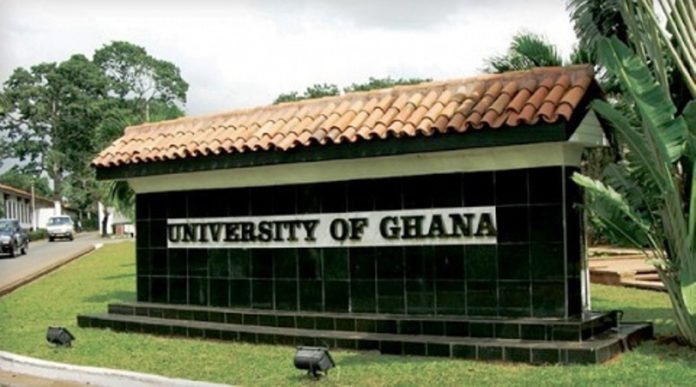
University of Ghana: GRASAG, UGSRC Warn Against Unauthorised Protest
Summary
- The Graduate Students’ Association of Ghana (GRASAG-UG) and the University of Ghana Students’ Representative Council (UGSRC) have advised students against an upcoming protest.
- The planned demonstration concerns accommodation fees at the University of Ghana.
- The student bodies warned that the group organizing the protest is not recognized by the university's governance system.
- Participation in unrecognised protests could lead to disciplinary action for students.
What Happened
Participation in activities organized by unrecognised entities can carry different implications under institutional rules.
The primary student representative bodies at the University of Ghana have issued a stern caution to their constituents regarding an impending demonstration. Both the Graduate Students’ Association of Ghana (GRASAG-UG) and the University of Ghana Students’ Representative Council (UGSRC) have publicly advised students to refrain from participating in a planned protest concerning accommodation fees. This joint advisory constitutes a significant University of Ghana unauthorised protest warning, underscoring the official stance against the planned action.
The planned GRASAG UGSRC student protest, which aims to challenge current accommodation fee structures, has drawn the attention of these established student governance organizations. Their intervention comes amidst concerns about the legitimacy of the group orchestrating the demonstration. The core of the warning centers on the fact that the organizing entity is not formally recognized within the university's established governance framework.
This lack of official recognition is a critical element of the advisory, distinguishing this particular call to action from other forms of student advocacy. By highlighting the unrecognised status of the protest organizers, GRASAG-UG and UGSRC are effectively signaling potential issues for participants. The warning serves as a clear directive for students to exercise caution and consider the official channels for expressing grievances.
Institutional Stance on Student Activism
The caution issued by GRASAG-UG and UGSRC implicitly highlights the University of Ghana's established protocols for student activism and representation. Within the university's governance system, certain student organizations are formally recognized, granting them the authority to engage in official dialogue, negotiation, and representation on behalf of the student body. An unrecognised student group warning, such as this one, indicates that the planned demonstration falls outside these sanctioned channels.
The Ghana student protest legality within the university context often hinges on whether the organizing body possesses official recognition. While students generally retain rights to peaceful assembly, participation in activities organized by unrecognised entities can carry different implications under institutional rules. This distinction is crucial for understanding the potential ramifications for students.
The university's framework typically provides avenues for students to voice concerns, including those related to UG accommodation fees demonstration, through their elected representatives in bodies like GRASAG-UG and UGSRC. When a protest is initiated by a group operating outside this recognized structure, it can be perceived as an unsanctioned event, potentially leading to a different institutional response compared to demonstrations organized through official channels.
Implications for Students
Students contemplating involvement in the proposed demonstration are being urged to consider the potential consequences of aligning with an unrecognised group. The advisory from GRASAG-UG and UGSRC is not merely a procedural note but a practical warning about the risks associated with participating in unsanctioned events. Such participation could potentially expose students to disciplinary measures from the university administration.
The emphasis on avoiding the protest suggests that the established student leadership is concerned about the welfare of their peers, particularly regarding the possibility of University of Ghana disciplinary action. Engaging in demonstrations not sanctioned by the university or organized by officially recognized student bodies might contravene institutional regulations, leading to penalties ranging from warnings to more severe sanctions.
Therefore, the message from the student representative councils is clear: while advocating for student interests, including issues like accommodation fees, is a legitimate concern, the method and organizational backing of such advocacy are paramount. Students are effectively being guided towards utilizing recognized channels for expressing their grievances to avoid unintended negative repercussions.
Practical Implications
Lawyers advising students or university administration should note the emphasis on authorized channels for protest, as participation in unrecognised demonstrations could lead to disciplinary action or legal repercussions under university statutes or public order laws.
Source
How does this affect you?
Get an AI analysis of this article grounded in your jurisdictions, practice areas, and any policy documents you've uploaded to Wansom.
Wansom is AI and can make mistakes.