
UN Security Council: Strengthens DRC Mineral Supply Chain Control
Summary
- The UN Security Council identified illicit exploitation and trafficking of natural resources as a root cause of conflict in Eastern DRC.
- The United Nations aims to strengthen control over mineral supply chains in the Eastern DRC.
- This initiative is intended to combat the ongoing conflict in the region.
- The announcement regarding these efforts was reported on October 14, 2026.
UN Targets Conflict Financing in Eastern DRC
The UN's declared intent to strengthen control over mineral supply chains in the Democratic Republic of Congo indicates a significant shift towards more rigorous international standards.
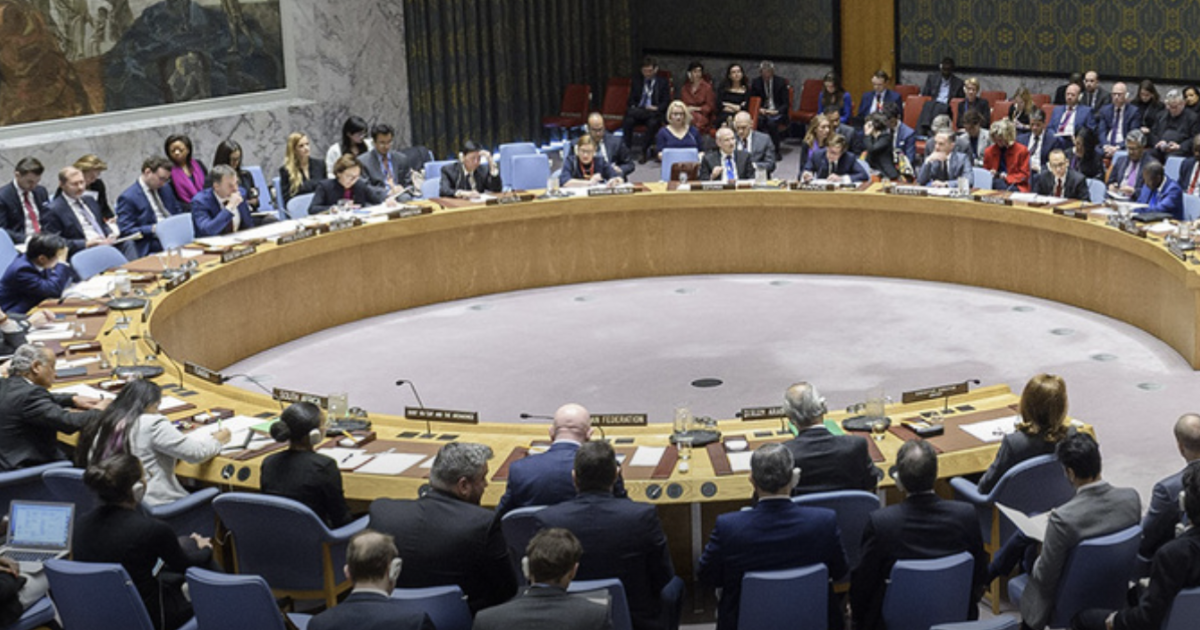
During a recent session, the United Nations Security Council addressed the persistent conflict in the eastern Democratic Republic of Congo, identifying a critical underlying factor. The council concluded that the illicit exploitation and subsequent trafficking of natural resources within the region serve as a fundamental driver of the ongoing hostilities. This direct linkage between resource extraction and conflict financing underscores the urgency of international intervention.
In response to this assessment, the United Nations has articulated a clear objective: to enhance oversight and regulation of mineral supply chains originating from the Eastern DRC. This strategic move is specifically designed to disrupt the financial mechanisms fueling the conflict, thereby contributing to peace and stability in the troubled region. The announcement, reported on October 14, 2026, signals a renewed and focused international effort to tackle the economic dimensions of the conflict.
Heightened Scrutiny for DRC Mineral Supply Chains
The UN's declared intent to strengthen control over mineral supply chains in the Democratic Republic of Congo indicates a significant shift towards more rigorous international standards. This initiative directly targets the flow of resources, such as RDC minerais de conflit ONU, that are often exploited to fund armed groups and perpetuate violence. The focus on supply chain integrity is a recognition that effective conflict resolution requires addressing the economic incentives for illicit activities.
This development suggests that entities involved in the sourcing, processing, or trading of minerals from the Eastern DRC will likely face increased demands for transparency and accountability. The emphasis on strengthening control implies the potential for new or more stringent due diligence requirements for companies operating within or connected to these supply networks. The international community, through the UN Security Council, is signaling its commitment to curbing illicit resource exploitation RDC by targeting the pathways through which these resources enter global markets.
Why This Matters for Global Commerce and Stability
The United Nations' proactive stance on mineral supply chain control in the Democratic Republic of Congo carries substantial implications for both regional stability and global commerce. By pinpointing the illicit trade of natural resources as a root cause of conflict, the UN Security Council is elevating the issue to a priority level, demanding a more robust and coordinated international response. This approach aims to cut off funding for belligerent factions, thereby fostering an environment conducive to peace.
For businesses, particularly those engaged in sectors reliant on minerals from the region, this initiative necessitates a re-evaluation of current sourcing practices. The push for enhanced mineral due diligence Eastern DRC will require companies to demonstrate greater transparency and implement more robust systems to ensure their supply chains are not inadvertently contributing to conflict. The UN's commitment to strengthening these controls underscores a growing global imperative to ensure that economic activities do not inadvertently fuel human rights abuses and instability.
Practical Implications
Companies involved in mineral sourcing or supply chains that touch the Democratic Republic of Congo should anticipate heightened regulatory scrutiny and potential new due diligence requirements from the UN. Legal and compliance teams must monitor these developments to ensure their practices align with evolving international standards and mitigate risks related to conflict financing.
Source
How does this affect you?
Get an AI analysis of this article grounded in your jurisdictions, practice areas, and any policy documents you've uploaded to Wansom.
Finish Reading the Full Story and the Expert Analysis.
Get the latest legal & regulatory intelligence in DR Congo
Wansom is AI and can make mistakes.