
UN Seeks Stronger Mineral Supply Chain Controls in Eastern DR Congo
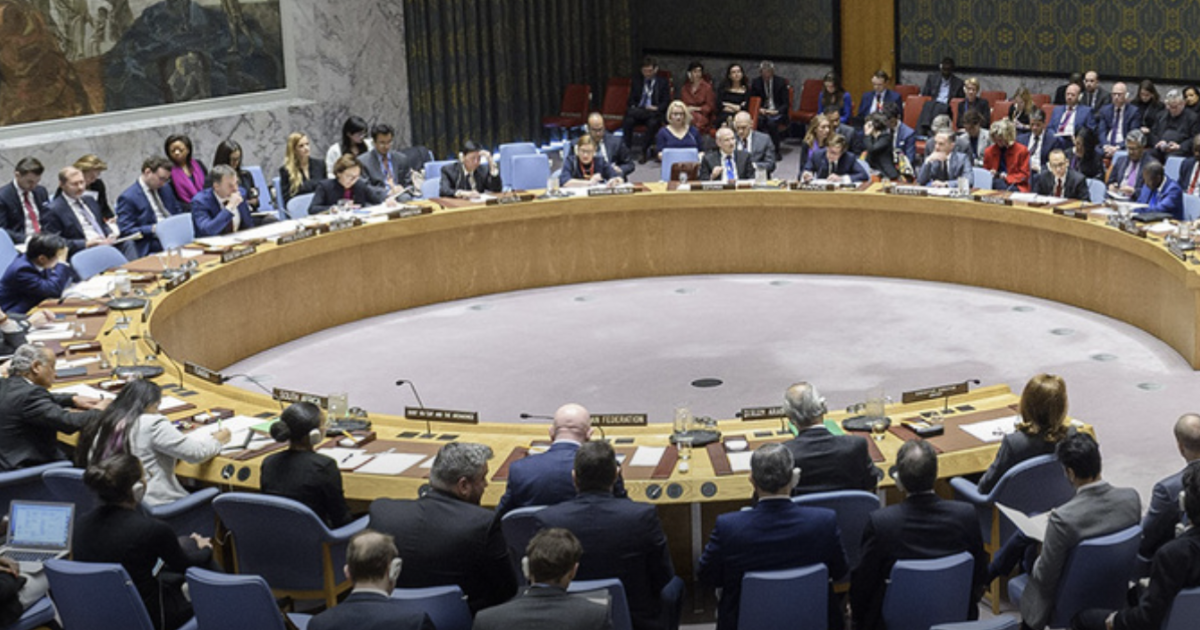
The United Nations (ONU) aims to strengthen control over mineral supply chains in the eastern Democratic Republic of Congo (DRC) to combat conflict, following a Security Council meeting on Wednesday, October 14, 2026, where illicit exploitation was identified as a root cause.
This initiative signifies a renewed international focus on the nexus between natural resource exploitation and armed conflict in the DRC. The UN's intention to reinforce control mechanisms suggests a recognition that existing measures are insufficient to curb the illicit trade that fuels violence in the region. By targeting supply chains, the UN seeks to disrupt the financial lifelines of armed groups, thereby promoting peace and stability. This move could lead to more stringent international and national regulations, increased monitoring, and enhanced enforcement against actors involved in the trade of so-called 'conflict minerals.'
For businesses involved in the sourcing, processing, or trading of minerals from the DRC, particularly those operating in or sourcing from conflict-affected and high-risk areas, this development carries significant legal and operational implications. It underscores the imperative for robust due diligence frameworks, such as those outlined in the OECD Due Diligence Guidance for Responsible Supply Chains of Minerals from Conflict-Affected and High-Risk Areas. Non-compliance with evolving standards could expose companies to severe legal, financial, and reputational penalties, including sanctions, import restrictions, and consumer boycotts. The legal context for these efforts includes various UN Security Council resolutions pertaining to the DRC, international human rights and humanitarian law, and national mining and trade laws within the DRC.
The key parties involved are the United Nations, specifically its Security Council, and the Democratic Republic of Congo. Various international organizations, NGOs, and multinational corporations engaged in the mineral trade are also key stakeholders. Practitioners advising mineral-related businesses must ensure their clients meticulously trace their supply chains, assess risks of conflict financing, and implement comprehensive mitigation strategies. The increased scrutiny from the UN indicates that regulatory pressure and enforcement actions related to responsible sourcing are likely to intensify, making proactive and transparent compliance essential to avoid legal liabilities and maintain market access. The outcome of specific new controls or regulations is not yet reported, but the intent is clear.
How does this affect you?
Get an AI analysis of this article grounded in your jurisdictions, practice areas, and any policy documents you've uploaded to Wansom.
Finish Reading the Full Story and the Expert Analysis.
Get the latest legal & regulatory intelligence in DR Congo
Wansom is AI and can make mistakes.