
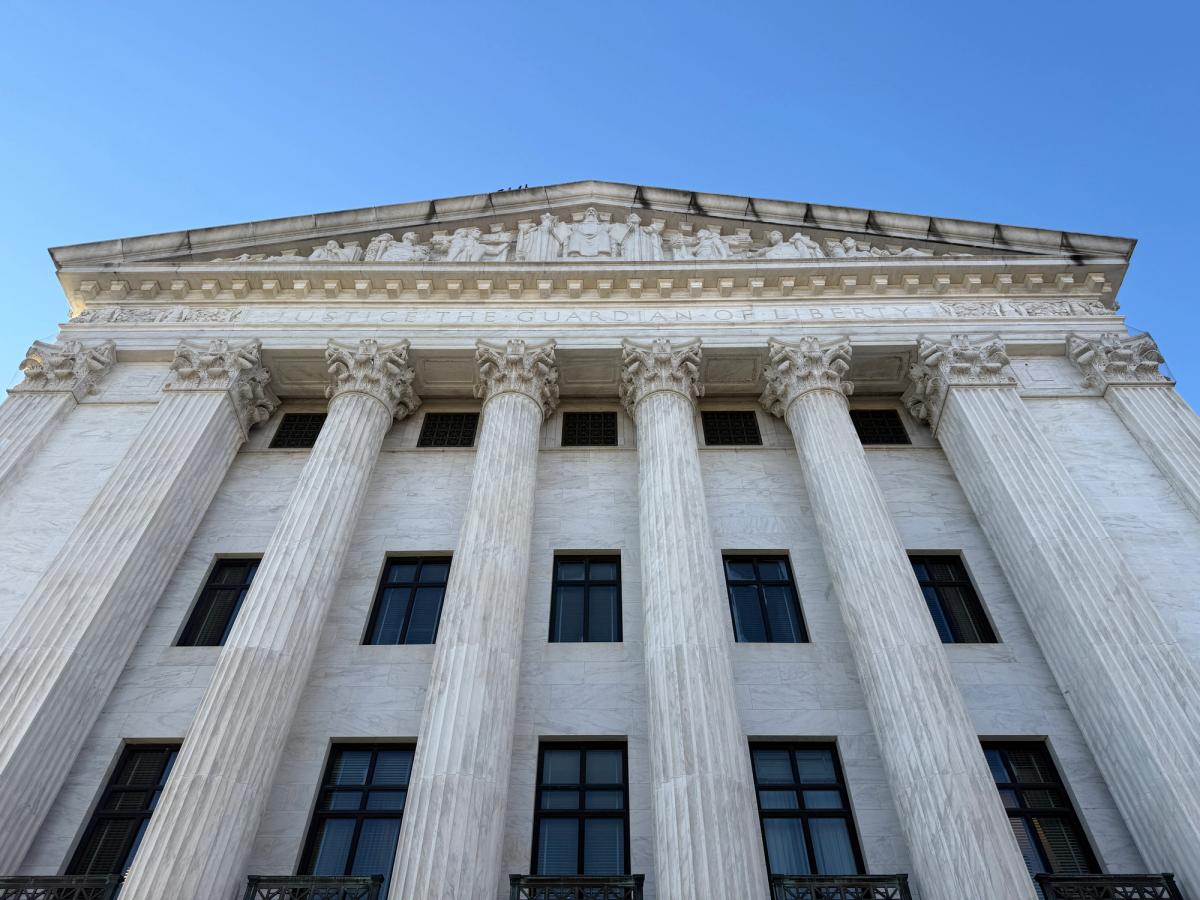
Trump Administration: SCOTUS Petitioned on California Noncitizen Ballots
Summary
- The Trump administration asked the Supreme Court to intervene in a dispute over more than 20,000 California ballots allegedly cast by noncitizens.
- U.S. Solicitor General D. John Sauer requested an order to separate these ballots until voter citizenship could be verified.
- Sauer argued that commingling the challenged ballots with lawful ones would make their retrieval impossible.
- Lower courts, including a federal judge in Los Angeles and the 9th Circuit, previously denied the administration's requests for emergency relief.
- The administration's appeal to the Supreme Court came one day before the midterm elections, emphasizing the urgency of their voter fraud allegations.
Supreme Court Appeal
Sauer emphasized the irreversible nature of commingling, arguing that once California integrates the challenged ballots with those cast by eligible voters, retrieving the disputed votes would become impossible.
The Trump administration has formally petitioned the Supreme Court, seeking its intervention in a dispute concerning the counting of ballots in California. On Monday morning, the administration requested an order from the nation's highest court to prevent the state from processing votes cast by what it alleges are more than 20,000 noncitizens who have registered to vote within California.
U.S. Solicitor General D. John Sauer, in a 19-page submission, specifically asked the justices to mandate that California segregate these particular ballots until the citizenship status of the voters could be definitively verified. Sauer emphasized the irreversible nature of commingling, arguing that once California integrates the challenged ballots with those cast by eligible voters, retrieving the disputed votes would become impossible. This action marks a significant escalation in the administration's ongoing efforts to address alleged voter fraud, particularly concerning California noncitizen voter ballots.
Prior Legal Challenges
This appeal to the Supreme Court follows a series of unsuccessful legal attempts by the Trump administration to secure emergency relief regarding the California ballots. The administration's initial legal challenge commenced last month in a federal court in Los Angeles. There, it sought an order that would prohibit the state from distributing ballots to, or counting votes from, individuals identified as likely noncitizens.
However, on October 28, U.S. District Judge David Carter denied the government's request for a temporary order to sequester ballots from these 'likely noncitizens.' Judge Carter notably expressed skepticism regarding the credibility of the Trump administration's assertions about the non-citizenship of the identified voters. Subsequently, the U.S. Court of Appeals for the 9th Circuit also rejected the administration's motion for emergency relief on Friday, just days before the midterm elections.
Why It Matters
The Trump administration's persistent legal actions, culminating in the Supreme Court emergency relief California request, underscore its focus on voter eligibility and the integrity of the electoral process. With the midterm elections rapidly approaching—set to occur just one day after the Supreme Court filing—the timing of this intervention highlights the urgency the administration places on these allegations. The administration's legal strategy, spearheaded by US Solicitor General D. John Sauer, consistently argues that the government is likely to prevail in its claims.
This case, centered on Trump administration SCOTUS California ballots, represents a critical juncture in the broader debate over election security and the mechanisms for verifying voter qualifications. The repeated rejections by lower courts, including the 9th Circuit California ballots decision, have not deterred the administration from pursuing its claims at the highest judicial level, signaling a deep commitment to challenging what it perceives as vulnerabilities in the voting system.
Practical Implications
This case highlights the ongoing legal challenges to election integrity and voter eligibility in the US, particularly concerning the definition of eligible voters and the process of ballot counting. Lawyers should monitor the Supreme Court's stance on such emergency interventions as it could inform future election litigation strategies and advice to clients involved in election law or political campaigns.
Source
How does this affect you?
Get an AI analysis of this article grounded in your jurisdictions, practice areas, and any policy documents you've uploaded to Wansom.
Wansom is AI and can make mistakes.