
Trump Administration's Title VI Probe of US Universities Marred by Political Influence
Summary
- The Trump administration's probe into antisemitic harassment at US universities was hampered by political influence, with officials ignoring the advice of their investigative team.
- As many as 60 schools were investigated under Title VI, including Harvard University and Brown University.
- Justice Department whistleblowers accused task force leaders of prioritizing political considerations over civil rights enforcement.
- The precedent set by this investigation may expose institutions to liability and compliance risks.
What Happened
The investigation was 'subordinate to political priorities rather than the enforcement of civil rights' and its findings were 'implemented at the expense of regular decisionmaking and enforcement processes that exist to protect against constitutional and statutory violations.'
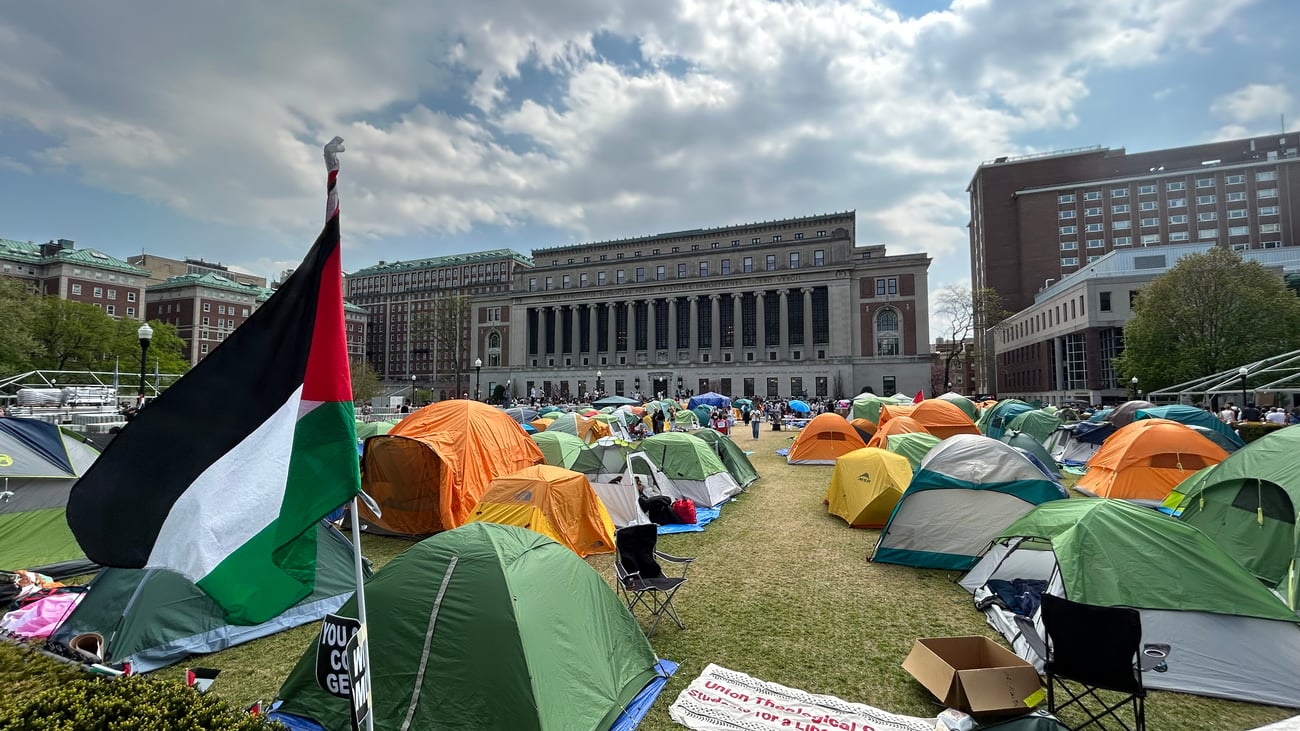
The Trump administration's probe into antisemitic harassment at US universities was marred by political influence, with officials ignoring the advice of their investigative team. A group of career Justice Department civil rights attorneys told Congress that the interagency investigation was 'subordinate to political priorities' and that task force leaders sidelined them when they raised questions. The investigation, which involved as many as 60 schools, including Harvard University and Brown University, was created in response to pro-Palestine protests on US campuses following the Hamas attack on Israel in October 2023. The task force announced in March 2025 that the government had canceled roughly $400 million in grants to Columbia University, contending the institution had violated the Title VI rights of its Jewish and Israeli students by allowing 'persistent harassment' on campus. This cancellation was later resolved through a settlement in July 2025, where Columbia University agreed to pay the federal government $221 million and accept other demands.
Legal Context
The investigation was conducted under Title VI of the Civil Rights Act of 1964, which prohibits discrimination based on national origin in programs or activities receiving federal financial assistance. The Trump administration's handling of the investigation has raised concerns about the politicization of civil rights enforcement in the education sector. Lawyers and compliance officers should be aware that the precedent set by the Trump administration may have exposed institutions to liability and compliance risks. The Justice Department whistleblowers' accusations suggest that officials ignored the advice of their investigative team and prioritized political considerations over the enforcement of civil rights.
Why It Matters
The allegations of politicization in the Title VI investigation have significant implications for universities and institutions receiving federal funding. If true, they suggest that the Trump administration's handling of the investigation was not only unconstitutional but also potentially illegal. The precedent set by this investigation may embolden future administrations to politicize civil rights enforcement, putting institutions at risk of liability and compliance issues. It is essential for lawmakers and regulatory bodies to investigate these allegations thoroughly and take corrective action to ensure that civil rights enforcement remains impartial and effective.
Practical Implications
Lawyers and compliance officers should be aware that the Trump administration's handling of Title VI investigations into US universities may have set a precedent for future administrations to politicize civil rights enforcement, potentially exposing institutions to liability and compliance risks.
Source
How does this affect you?
Get an AI analysis of this article grounded in your jurisdictions, practice areas, and any policy documents you've uploaded to Wansom.
Wansom is AI and can make mistakes.