
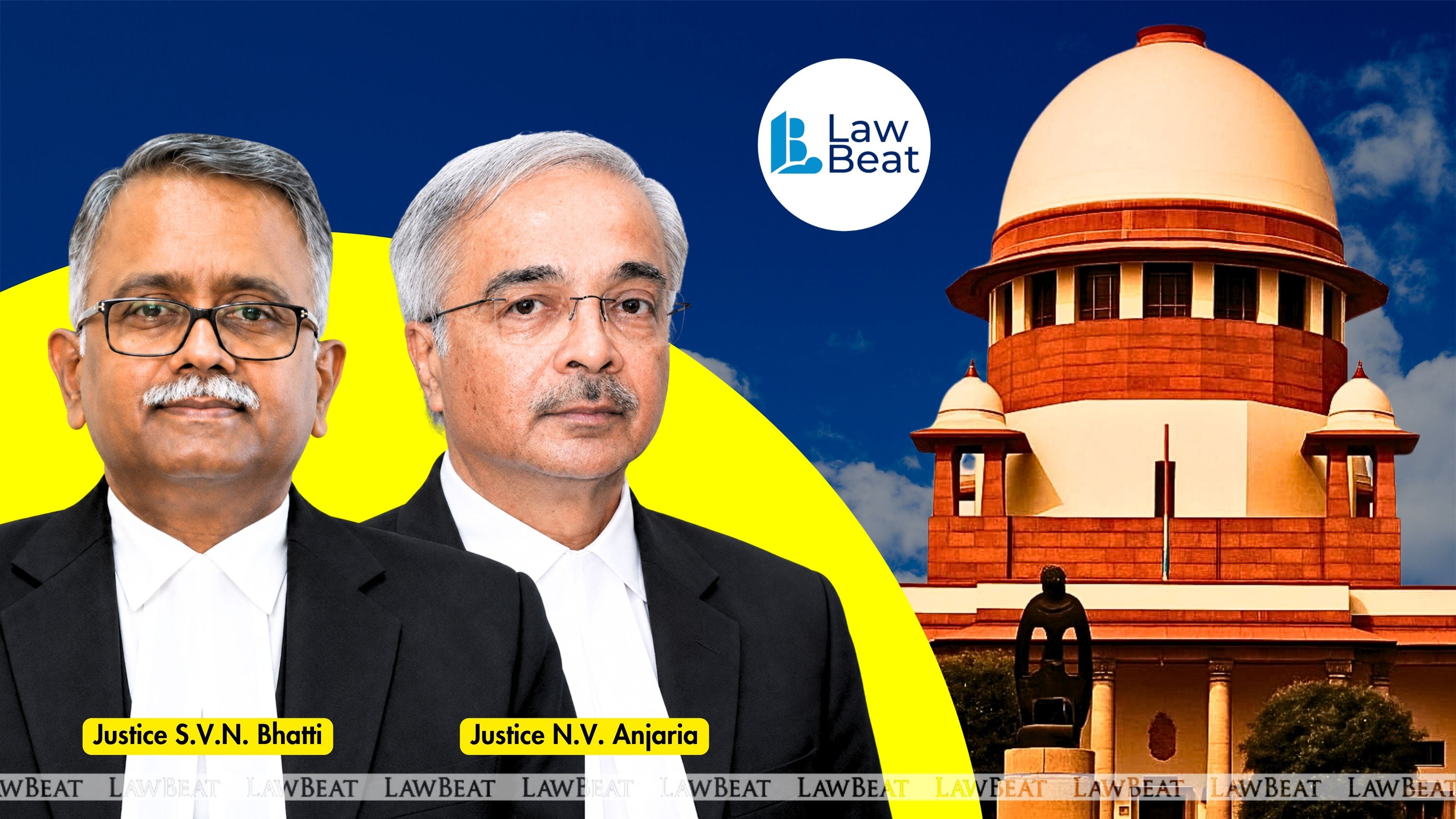
Supreme Court Clarifies TRAI's Powers Under Section 13 vs TDSAT Jurisdiction
Summary
- The Supreme Court has clarified that TRAI's powers under Section 13 are regulatory, not adjudicatory.
- TDSAT retains exclusive jurisdiction to adjudicate inter se disputes between service providers under Section 14.
- TRAI can initiate enforcement proceedings as a complainant, but cannot impose penalties or adjudicate disputes.
- Only a competent court can determine criminal liability for disobeying TRAI's directions.
TRAI's Regulatory Powers
TRAI may record, for the limited purpose of enforcement, a prima facie finding of non-compliance, but it cannot render a final and binding adjudication of the parties’ inter se rights.
The Supreme Court has clarified that the Telecom Regulatory Authority of India (TRAI) exercises regulatory powers under Section 13 of the TRAI Act, 1997. These powers are administrative in nature and do not extend to adjudicating inter se disputes between service providers. TRAI's primary function is to issue directions for compliance with existing regulations, which are enforceable through a separate process. In this context, issuing a show-cause notice for non-compliance does not usurp the exclusive jurisdiction of the Telecom Disputes Settlement and Appellate Tribunal (TDSAT) to decide disputes between service providers. The distinction between regulatory and adjudicatory functions is crucial in understanding TRAI's role in enforcing compliance with its regulations.
TDSAT's Exclusive Adjudicatory Power
The Supreme Court has reaffirmed that the TDSAT retains exclusive jurisdiction to adjudicate inter se disputes between service providers under Section 14 of the TRAI Act. This means that only the TDSAT can finally determine the contractual rights and obligations of parties involved in a dispute, including awarding damages or quantifying arrears. The process of adjudication requires presentation of evidence, ascertainment of facts, and a final and binding decision disposing of the dispute. In contrast, TRAI's regulatory powers are limited to recording prima facie findings for enforcement purposes only.
Implications and Limitations
The Supreme Court has clarified that while TRAI can initiate enforcement proceedings as a complainant under Section 34, it cannot impose penalties or adjudicate disputes between service providers. Only a competent court, not below the rank of a Chief Metropolitan Magistrate or a Chief Judicial Magistrate of the First Class, can determine criminal liability for disobeying lawful directions issued by TRAI. This distinction highlights the importance of separating regulatory and adjudicatory functions to ensure effective enforcement of regulations while maintaining the integrity of the adjudication process.
Practical Implications
Lawyers should note that TRAI's regulatory directions and show-cause notices do not usurp TDSAT's exclusive jurisdiction to adjudicate inter se disputes, and only a competent court can impose penalty for disobeying TRAI's directions.
Source
How does this affect you?
Get an AI analysis of this article grounded in your jurisdictions, practice areas, and any policy documents you've uploaded to Wansom.
Wansom is AI and can make mistakes.