
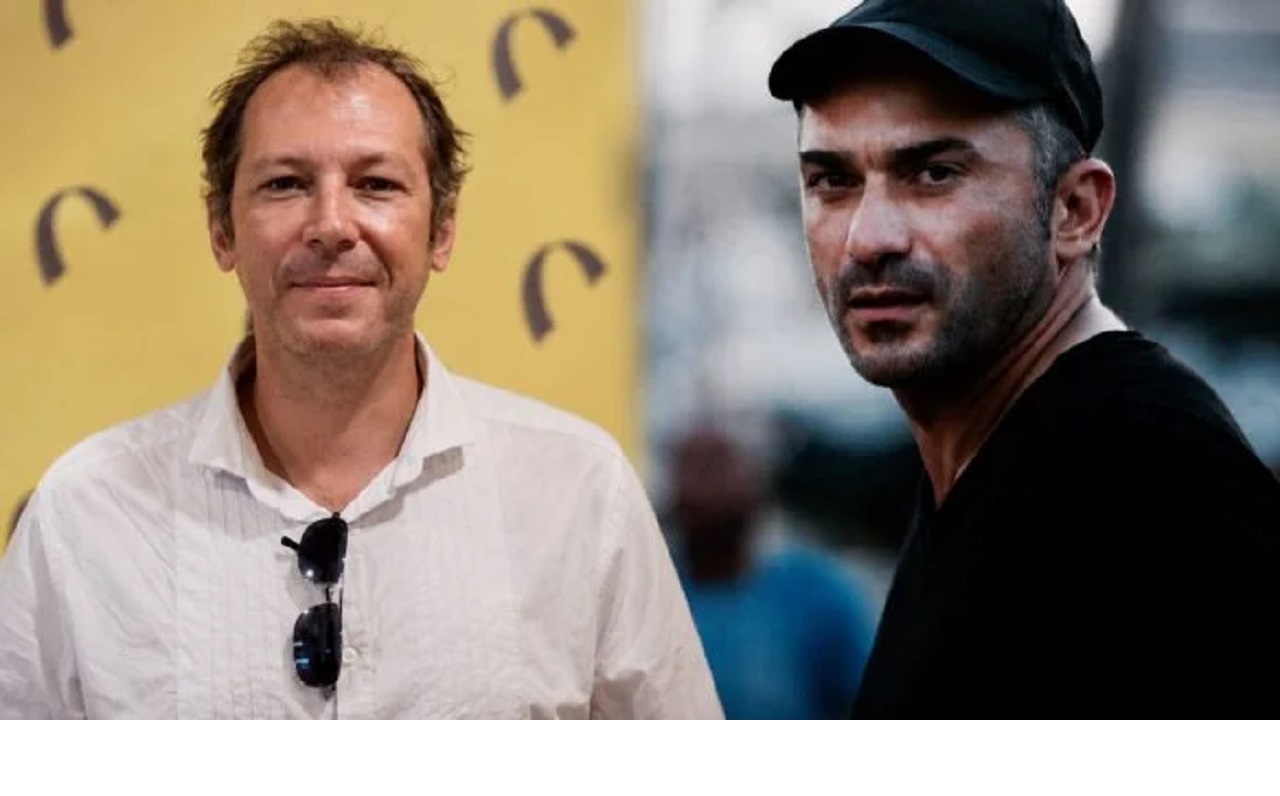
Togo: Sébastien Pérez-Pezzani, Gaël Mocaër Detention Continues Amid Visa Probe
Summary
- French journalists Sébastien Pérez-Pezzani and Gaël Mocaër have been detained in northern Togo since July 27.
- Togolese authorities accuse them of entering the country on tourist visas while engaging in journalistic activities without proper accreditation.
- The journalists were filming for France Télévisions on behalf of Tony Comiti production company when arrested.
- Reports suggest Togo is using their detention as leverage to demand the extradition of exiled Togolese journalist Ferdinand Ayité from France.
- This incident highlights deteriorating relations between Togolese authorities and French media, following a three-month broadcast ban on RFI and France 24 in June 2025.
What Happened
The detention of Sébastien Pérez-Pezzani and Gaël Mocaër appears to be at the heart of a diplomatic standoff, with Lomé reportedly seeking to exert pressure on Paris.
Sébastien Pérez-Pezzani and Gaël Mocaër, two French journalists, have been held by Togolese authorities since their arrest in northern Togo on July 27. The French Ministry of Foreign Affairs confirmed their detention on Tuesday evening, stating that the men are currently subject to a judicial investigation overseen by an investigating judge. The Quai d'Orsay also noted that the journalists have received three consular visits since their apprehension.
The two individuals were taken into custody while engaged in filming activities in the country's northern region. Their identities were confirmed by Emmanuelle Sodji, a Franco-Togolese journalist who contributes to France 24 and TV5 Monde. According to Sodji, Gaël Mocaër and Sébastien Pérez-Pezzani were working on an episode of the program "Les Routes de l'impossible" for France Télévisions, a project undertaken on behalf of the Tony Comiti production company.
Legal and Regulatory Context
The central issue in the case, as reported by media outlets aligned with the Togolese government, appears to be related to visa irregularities. Lomé's primary accusation against the French journalists is that they entered Togo using a tourist visa, despite their intention to conduct journalistic work. Authorities contend that Pérez-Pezzani and Mocaër failed to complete the mandatory accreditation procedures with the relevant authorities before commencing their professional activities.
Additionally, Togolese officials reportedly justify the arrests by citing the absence of a special visa, which is required for entry into the northern part of Togo. This specific region is currently under a security state of emergency due to persistent jihadist threats. The French Ministry of Foreign Affairs has affirmed its full commitment, both from Paris and Lomé, to monitoring the journalists' situation, ensuring their conditions of detention, health, and the respect of their rights to defense.
Diplomatic Tensions and Alleged Motive
The detention of Sébastien Pérez-Pezzani and Gaël Mocaër appears to be at the heart of a diplomatic standoff, with Lomé reportedly seeking to exert pressure on Paris. While neither France Télévisions, Tony Comiti production company, nor the Togolese government have issued public statements regarding the situation, the newspaper "L'Alternative" has put forth a significant claim.
According to the publication, President of the Council of Ministers, Faure Gnassingbé intends to exchange the two French nationals for Ferdinand Ayité, a Togolese investigative journalist who has been living in exile in France for three years. President Gnassingbé is reportedly "increasingly annoyed" by Ayité's journalistic activities and is unwilling to release the French citizens until Ayité is delivered to the Lomé regime by the French government.
This alleged intention is further supported by an August 16 article in "Jeune Afrique," which detailed multiple trips by Togolese Minister of Justice and Human Rights, Pacôme Adjourouvi to Paris. These visits were reportedly aimed at discussing "the presence on French territory of political exiles," with specific mention of Ayité's case.
Broader Media Environment
This incident unfolds against a backdrop of deteriorating relations between Togolese authorities and French media organizations over recent years. A notable instance of this strained relationship occurred in June 2025, when Radio France Internationale (RFI) and France 24 faced a three-month broadcasting ban in Togo. The ban was imposed after Togolese authorities accused the stations of relaying "inaccurate and tendentious remarks."
The current detention of Sébastien Pérez-Pezzani and Gaël Mocaër, coupled with the alleged diplomatic leverage, underscores the significant challenges and risks faced by journalists operating in the region. This is particularly true when local regulations concerning visas and professional accreditation are not strictly adhered to. The situation highlights how individual cases can become entangled in broader political and diplomatic disputes, with potentially severe consequences for those involved.
Practical Implications
Lawyers advising media companies, NGOs, or any organization deploying personnel to Togo (or similar jurisdictions) must ensure strict compliance with local visa and professional accreditation requirements. This case highlights the significant legal and diplomatic risks of non-compliance, where individuals can become entangled in broader political disputes and face prolonged detention.
Source
How does this affect you?
Get an AI analysis of this article grounded in your jurisdictions, practice areas, and any policy documents you've uploaded to Wansom.
Finish Reading the Full Story and the Expert Analysis.
Get the latest legal & regulatory intelligence in Togo
Wansom is AI and can make mistakes.