
Robert Montoya: Togo Border Security Bid Advances Despite Legal Challenges
Summary
- French arms dealer Robert Montoya reportedly sought a contract for Togo's northern border security.
- Montoya faces a new legal complaint regarding his alleged role in the 2004 Bouaké bombing.
- His efforts in Togo are complicated by judicial pressure from Paris and fierce competition.
- New Russian networks linked to Africa Corps are competing for influence in Togo's security sector.
- Influential Belarusian businessmen also pose a challenge to Montoya's bid within the Togolese presidency.
What Happened
The involvement of a figure facing serious allegations, such as those related to the Bouaké bombing, raises questions about due diligence and risk assessment in defense procurement.
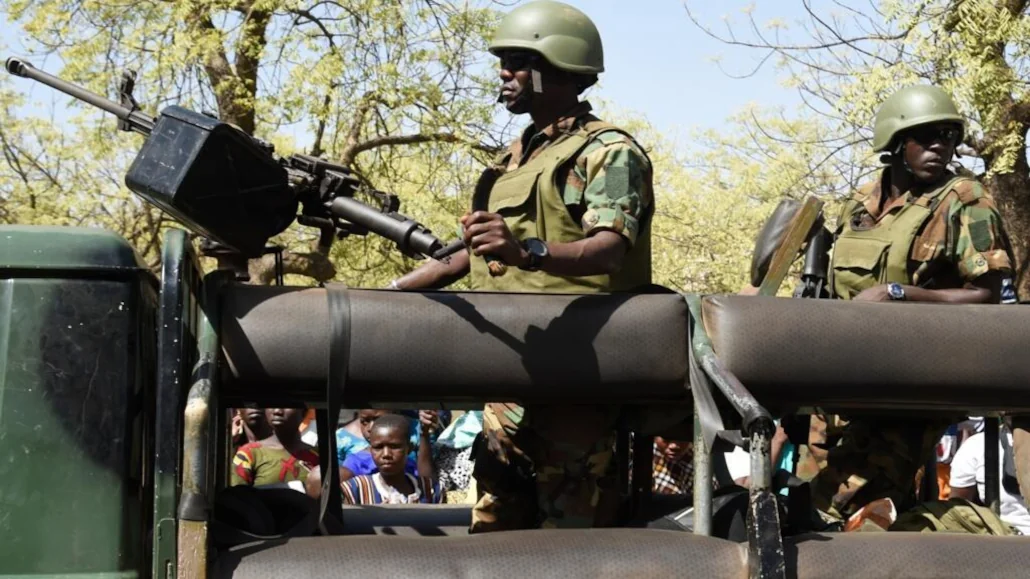
French arms broker Robert Montoya has reportedly made efforts to secure a significant contract related to the security of Togo's northern border. This move by the seasoned French arms dealer comes despite persistent legal challenges, including a recent complaint filed against him. Montoya's interest in the Robert Montoya Togo border security bid highlights his continued activity in sensitive defense procurement sectors across Africa.
His pursuit of this critical national security contract in Togo suggests a determination to remain active in the field, even as he navigates a complex legal landscape. The alleged bid for the French arms dealer Togo northern border security project underscores the ongoing involvement of private actors in state security matters, particularly in regions facing evolving threats. This development, reported by Africa Intelligence, indicates that Montoya remains an active, albeit controversial, figure in international arms brokering.
Legal Context
The recent complaint against Robert Montoya specifically concerns his alleged involvement in the 2004 Bouaké bombing. This incident, which targeted a French military camp in Côte d'Ivoire, remains a highly sensitive and legally complex matter. The new legal action underscores the enduring scrutiny surrounding Montoya's past activities and his alleged role in the tragic event.
These Montoya Bouaké bombing allegations represent a significant legal hurdle, with judicial pressure emanating from Paris. Despite these serious Robert Montoya legal challenges, the French arms dealer appears undeterred in his commercial pursuits. The ongoing legal proceedings add a layer of complexity and risk to any potential engagement with Montoya for Togo national security contracts or similar defense-related agreements.
Geopolitical Competition
Montoya's bid for the Togo northern border security contract is not without significant obstacles beyond his legal woes. He faces intense competition from emerging geopolitical players and established networks. Among these are new Russian networks, reportedly linked to the "Africa Corps," which are increasingly asserting their influence in the region.
Furthermore, influential Belarusian businessmen are also reportedly active and hold considerable sway within the Togolese presidency. This competitive environment, characterized by the growing Africa Corps Togo influence and the presence of other powerful foreign interests, complicates Montoya's efforts to secure the lucrative national security contract. The landscape for defense procurement in Togo is clearly becoming more crowded and strategically contested.
Why It Matters
The reported attempt by Robert Montoya to secure a major national security contract in Togo carries significant implications. The involvement of a figure facing serious allegations, such as those related to the Bouaké bombing, raises questions about due diligence and risk assessment in defense procurement. For governments and private entities, engaging with individuals like Montoya necessitates heightened scrutiny to mitigate legal, reputational, and compliance risks.
Moreover, the intense competition from entities like Africa Corps and influential Belarusian business interests signals a broader shift in the geopolitical dynamics of security provision in Africa. The pursuit of Togo national security contracts by various international actors reflects the strategic importance of border security in the face of regional instability. This scenario underscores the need for transparency and robust vetting processes in such critical agreements.
Practical Implications
Lawyers advising governments or private entities on defense procurement and national security contracts in Togo should conduct heightened due diligence on potential partners and contractors, given the involvement of controversial figures like Robert Montoya and the emerging competition from geopolitical actors such as Africa Corps, to mitigate legal, reputational, and compliance risks.
Source
How does this affect you?
Get an AI analysis of this article grounded in your jurisdictions, practice areas, and any policy documents you've uploaded to Wansom.
Finish Reading the Full Story and the Expert Analysis.
Get the latest legal & regulatory intelligence in Togo
Wansom is AI and can make mistakes.