
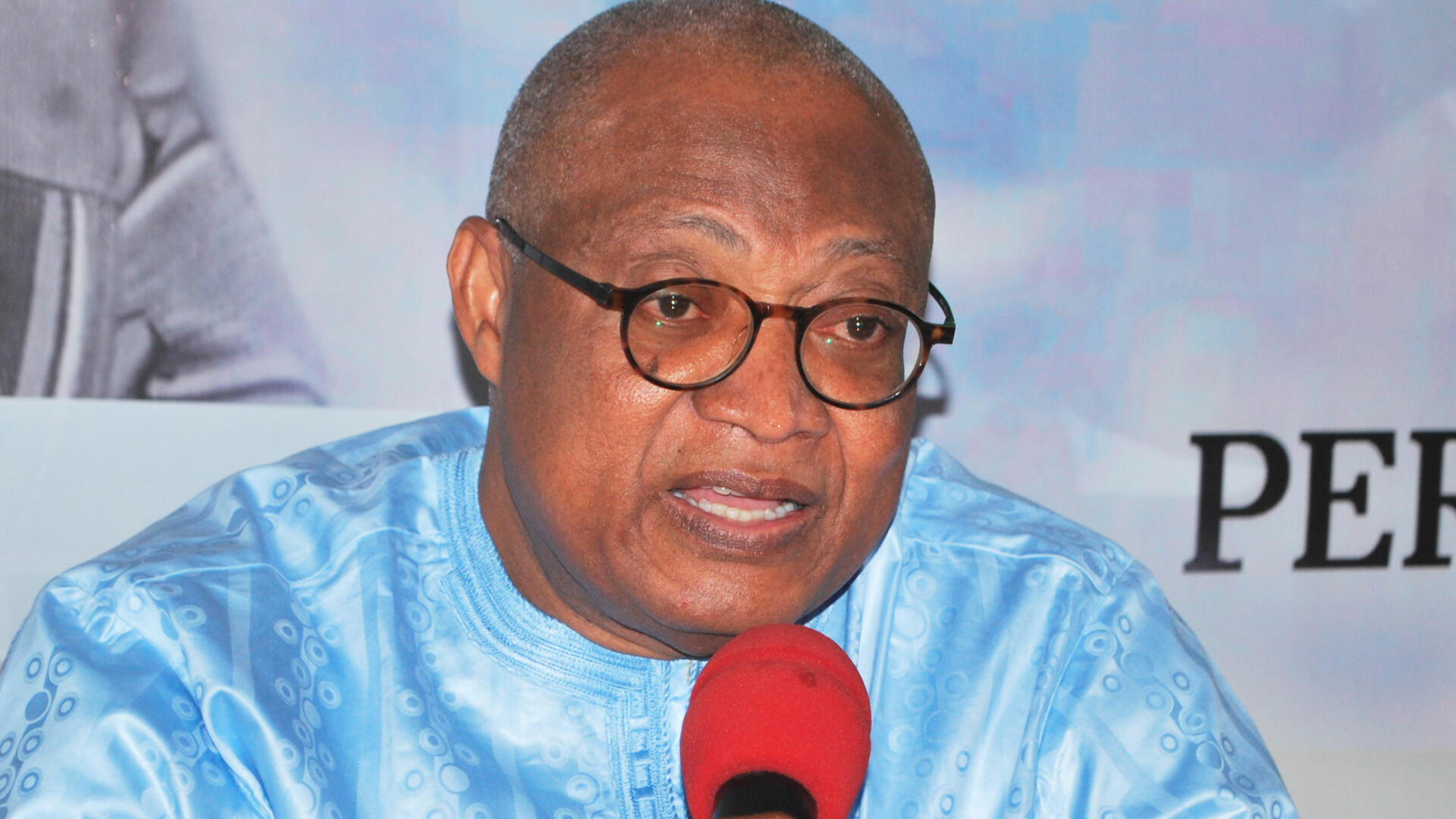
Togo Fuel Price Increase: Jean-Pierre Fabre Condemns Hike
Summary
- Togo's government increased fuel prices on September 11, marking the second hike in three months and occurring just before school reopening.
- The main opposition party, Alliance nationale pour le changement (ANC), condemned the move as socially unsustainable, citing its broad economic impact and timing.
- New prices include unleaded super at 817 FCFA and kerosene at 1056 FCFA, with kerosene experiencing a cumulative 62.5% increase since May.
- The ANC demanded the withdrawal of the new price structure, publication of detailed price justifications, and urgent measures to protect vulnerable populations.
- The opposition also linked the price hike to broader calls for an institutional response to the ECOWAS Court's ruling on 2024 constitutional reform.
Recent Fuel Price Hike in Togo
The opposition party asserts that the government is forcing citizens to bear the brunt of its own economic and financial missteps, rather than implementing structural solutions to the purchasing power crisis.
Togo's government implemented a new increase in fuel prices at the pump on September 11, a decision that came barely three months after the previous hike and just days before the scheduled school reopening on September 14. This move has been met with strong condemnation from the country's main opposition party, the Alliance nationale pour le changement (ANC).
Under the revised pricing structure, a liter of unleaded super now costs 817 FCFA, while diesel is priced at 766 FCFA. Kerosene, a fuel widely utilized by lower-income households, has seen its price set at 1,056 FCFA per liter, and the two-stroke mix is now 896 FCFA. When combined with the earlier increases from May 27, the cumulative impact is substantial: unleaded super has risen by 20%, diesel by 10%, and the two-stroke mix by 17%. Kerosene, however, has experienced the most dramatic surge, with its price climbing by an alarming 62.5% over the same period.
Opposition's Stance and Demands
The ANC has labeled the government's decision as "socially unsustainable and unacceptable," highlighting its timing during a particularly sensitive period for Togolese families. The party points out that households are already grappling with significant expenses associated with the new school year, including costs for supplies, uniforms, tuition fees, and transportation. Given that fuel is a foundational commodity, its price increases inevitably ripple through the economy, directly impacting transport fares, food prices, and the cost of essential services.
The opposition party asserts that the government is forcing citizens to bear the brunt of its own economic and financial missteps, rather than implementing structural solutions to the purchasing power crisis. According to the ANC, this policy disproportionately affects a wide array of individuals, from taxi-moto drivers and chauffeurs to merchants, artisans, farmers, employees, civil servants, students, and general households. The ANC is demanding complete and detailed justification for the latest increase, specifically requesting transparency on international oil prices, actual supply costs, applicable taxation, and the profit margins of various actors within the distribution chain.
In response to the crisis, the ANC has put forth three core demands: the immediate withdrawal of the new tariff structure and the full publication of the pump price breakdown; the adoption of urgent measures designed to protect vulnerable populations; and the initiation of a national debate on the high cost of living, taxation policies, and the country's overall economic direction.
Broader Economic and Social Implications
The recent fuel price adjustments exacerbate an already challenging economic environment for many Togolese citizens, contributing to a broader cost of living crisis. The opposition underscores that fuel is a transversal product, meaning its cost directly influences nearly every sector of the economy. This inherent interconnectedness ensures that any increase in fuel prices translates into higher operational costs for businesses and individuals alike, from agricultural production and manufacturing to retail and service industries.
The timing of the hike, coinciding with the start of the academic year, places an additional financial burden on families already struggling to meet educational expenses. The cumulative effect of these price increases, particularly the substantial jump in kerosene costs, disproportionately impacts the most modest households, who rely on these fuels for daily necessities. This situation, as articulated by the ANC, reflects a systemic issue where citizens are compelled to absorb the consequences of what the opposition describes as the government's economic and financial shortcomings.
Political and Legal Undercurrents
Beyond the immediate economic concerns, the ANC's communiqué also touches upon broader political and legal issues. The party reiterated its demand for an institutional response to the conclusions of the judgment rendered by the ECOWAS Court of Justice concerning the 2024 constitutional reform. This indicates that the fuel price hike is viewed not in isolation, but as part of a larger pattern of governance that the opposition finds problematic.
The ANC also issued a cautionary note against any attempt to exploit the current social crisis. The party emphasized that legitimate demands for sustainable measures to combat the high cost of living should not divert attention from fundamental questions that are crucial for the democratic and institutional future of the nation. In closing, the ANC urged Togolese citizens to remain vigilant, mobilized, and clear-headed in their pursuit of solutions.
Practical Implications
Lawyers advising businesses in Togo should note the immediate impact of increased fuel prices on operational costs and supply chains. Furthermore, the opposition's demand for transparency in pricing mechanisms could signal future regulatory scrutiny or potential legal challenges regarding fuel price structures.
Source
How does this affect you?
Get an AI analysis of this article grounded in your jurisdictions, practice areas, and any policy documents you've uploaded to Wansom.
Finish Reading the Full Story and the Expert Analysis.
Get the latest legal & regulatory intelligence in Togo
Wansom is AI and can make mistakes.