
TNLA: Max Planck Legislative Capacity MoU Formalized in South Sudan
Summary
- The Transitional National Legislative Assembly (TNLA) signed an MoU with the Max Planck Foundation for International Peace and the Rule of Law.
- The agreement aims to strengthen the legal and legislative capacity of South Sudanese parliamentarians and staff, particularly in legislative drafting.
- The partnership will focus on providing training and legal expertise, starting with the Committee on Legislation and Justice.
- The initiative seeks to ensure that enhanced knowledge and skills remain within the parliament beyond the current political cycle.
- This collaboration is expected to improve the quality and consistency of legislation within South Sudan's transitional political framework.
What Happened
Lawyers and compliance officers should monitor the quality and consistency of future South Sudanese legislation, as this partnership aims to enhance legislative drafting and legal expertise within the TNLA.
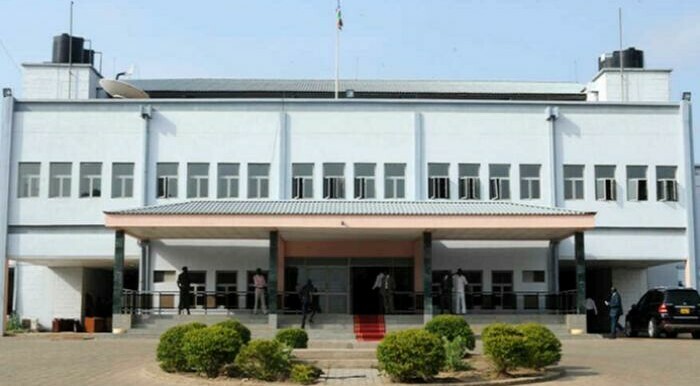
The Transitional National Legislative Assembly (TNLA) has formalized a significant partnership by signing a Memorandum of Understanding (MoU) with the Max Planck Foundation for International Peace and the Rule of Law. This agreement, executed on a Tuesday at the National Legislature in Juba, aims to bolster the legal and legislative capabilities of both parliamentarians and their support staff within the TNLA. The signing officially enacts a prior understanding between the two entities, setting the stage for enhanced collaboration.
Oliver Mori Benjamin, who serves as the Acting Chairperson of the Information Committee and spokesperson for the TNLA, confirmed the purpose of the Max Planck Foundation's visit. He indicated that their presence was to finalize an earlier agreement with the Acting Speaker concerning training initiatives. This foundational understanding was designed to sponsor comprehensive training for members of parliament and parliamentary staff across various disciplines, with a particular emphasis on legislative drafting.
Mr. Benjamin expressed satisfaction with the development, noting that the agreement was officially signed into a document that formally binds the TNLA and the Max Planck Foundation to these training commitments. Dr. Kathrin Maria Scherr, Managing Director of the Max Planck Foundation for International Peace and the Rule of Law, also underscored the organization's commitment. She stated that their support is specifically directed at strengthening the legal knowledge base within the parliament, marking a crucial step in the ongoing development of South Sudan's legislative framework.
Legal Context and Capacity Building
This TNLA Max Planck legislative capacity MoU is specifically designed to elevate the expertise of those involved in South Sudan's law-making processes. The partnership will concentrate on building the capacity of both members of parliament and their staff, with a primary focus on refining legislative drafting skills. This initiative is critical for ensuring that future laws are well-structured, clear, and effective, contributing directly to South Sudan rule of law development.
The Max Planck Foundation's engagement will primarily involve working with the parliament's standing specialized committees. Dr. Scherr confirmed that their efforts would commence with the Committee on Legislation and Justice, providing targeted support where it is most needed. The Foundation's role will be to impart legal expertise, focusing on establishing robust legislative drafting standards and optimizing the overall legislative cycle within South Sudan. This comprehensive approach aims to embed best practices into the parliamentary process.
The agreement is expected to equip parliamentarians and staff with essential technical knowledge pertaining to legislative drafting and other integral aspects of the legislative process. Furthermore, it seeks to strengthen the operational capacity of parliamentary committees, enabling them to execute their functions more effectively. This Juba legislative expertise MoU represents a strategic investment in the long-term institutional strength of the TNLA.
Why It Matters
The significance of this Transitional National Legislative Assembly agreement extends beyond immediate training, aiming for a lasting impact on South Sudan's governance. Dr. Scherr highlighted a key objective: to ensure that the knowledge and skills acquired through this program are retained within the parliament, persisting beyond the current political and electoral cycle. This forward-looking approach is vital for building sustainable institutional capacity and ensuring continuity in legislative quality.
This TNLA parliamentary capacity building initiative arrives at a crucial juncture for South Sudan. The country's parliament is actively engaged in developing new legislation and refining institutional processes as part of its transitional political framework. The partnership with the Max Planck Foundation is poised to enhance the quality and consistency of these legislative efforts, fostering a more predictable and robust legal environment.
Lawyers and compliance officers should monitor the quality and consistency of future South Sudanese legislation, as this partnership aims to enhance legislative drafting and legal expertise within the TNLA. This initiative could lead to more robust and predictable legal frameworks, impacting how laws are interpreted and applied in the country.
Source
How does this affect you?
Get an AI analysis of this article grounded in your jurisdictions, practice areas, and any policy documents you've uploaded to Wansom.
Finish Reading the Full Story and the Expert Analysis.
Get the latest legal & regulatory intelligence in South Sudan
Wansom is AI and can make mistakes.