
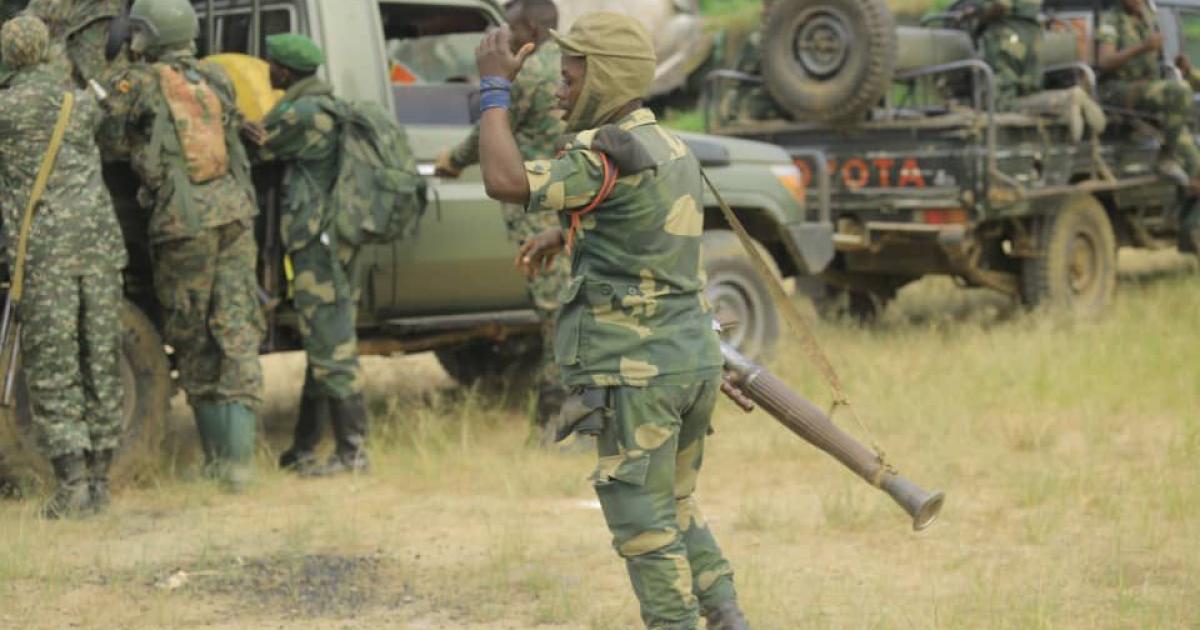
The Sentry: Uganda Must Respect RDC Accords, Limit Opération Shujaa
Summary
- The Sentry has advised Uganda to strictly respect its agreements with the Democratic Republic of Congo.
- The organization urged Uganda to avoid unilaterally extending the geographical scope of Opération Shujaa.
- The Ugandan army is present in Congolese territory under existing agreements.
- The Rwandan army is reportedly illegally occupying Congolese territory and supporting the AFC/M23 rebel movement, now known as FRN.
The Sentry's Call for Adherence to Bilateral Accords
Lawyers advising governments or international bodies must meticulously scrutinize the strict interpretation and adherence to bilateral military agreements, especially concerning their geographical scope.
The Sentry, an investigative and policy organization, has issued a significant recommendation concerning Uganda's military activities within the Democratic Republic of Congo (RDC). Specifically, The Sentry urges Uganda to uphold its existing agreements with the RDC and to refrain from any unilateral expansion of the geographical scope of its military intervention, known as Opération Shujaa. This counsel underscores the delicate nature of military cooperation in the volatile Great Lakes region, where foreign military presence is a contentious issue.
The presence of foreign armies on Congolese soil has been a persistent source of tension. While the Ugandan army is currently present in the RDC, its activities are meant to be governed by specific bilateral arrangements. This situation contrasts sharply with the reported actions of the Rwandan army, which is said to be illegally occupying Congolese territory. Furthermore, the Rwandan forces are reportedly providing support to the rebel movement AFC/M23, which has since rebranded itself as the Front pour la refondation de la nation (FRN), further complicating the security landscape.
Scrutiny of Military Agreements and Operations
The Sentry's recommendation highlights the critical importance of strict adherence to the "respect accords RDC Ouganda," particularly the "accords militaires bilatéraux Ouganda" that define the parameters of the Ugandan army's deployment. These agreements are designed to ensure that military operations, such as Opération Shujaa, are conducted within mutually agreed-upon boundaries and objectives. Any "extension unilatérale Opération Shujaa" beyond these established limits could lead to significant diplomatic and legal challenges, potentially undermining regional stability and trust between the two nations.
The call from The Sentry for Uganda to avoid such unilateral actions serves as a reminder of the legal frameworks governing cross-border military engagements. The presence of the "armée ougandaise RDC" is a matter of public record, and its operational conduct is subject to international scrutiny. The broader context, including the alleged illegal occupation by Rwandan forces and their support for rebel groups, further emphasizes the need for all regional actors to operate strictly within the confines of international law and bilateral agreements to prevent escalation of conflicts.
Preventing International Legal Disputes
The implications of The Sentry's "The Sentry rapport Ouganda RDC" extend beyond immediate military operations, touching upon broader international legal and diplomatic considerations. Lawyers advising governments or international bodies must meticulously scrutinize the strict interpretation and adherence to bilateral military agreements, especially concerning their geographical scope. This proactive approach is essential to prevent the emergence of international legal disputes that could arise from perceived or actual breaches of these accords. The integrity of such agreements is paramount for maintaining sovereign respect and fostering peaceful coexistence.
Furthermore, compliance officers operating within the region bear a significant responsibility to monitor geopolitical developments and ongoing military operations. Their vigilance is crucial for identifying potential risks that could stem from non-compliance with international accords or unauthorized territorial actions by any party. Ensuring that all military activities, including those undertaken by the "armée ougandaise RDC" under Opération Shujaa, remain within agreed-upon parameters is vital for mitigating legal exposure and upholding international norms. The stability of the Great Lakes region hinges on the transparent and accountable execution of all cross-border military engagements.
Practical Implications
Lawyers advising governments or international bodies should scrutinize the strict interpretation and adherence to bilateral military agreements, particularly regarding geographical scope, to prevent international legal disputes. Compliance officers in the region must monitor geopolitical developments and military operations for potential risks stemming from non-compliance with international accords or unauthorized territorial actions.
Source
Source: Original reporting via PMaki
How does this affect you?
Get an AI analysis of this article grounded in your jurisdictions, practice areas, and any policy documents you've uploaded to Wansom.
Finish Reading the Full Story and the Expert Analysis.
Wansom is AI and can make mistakes.