
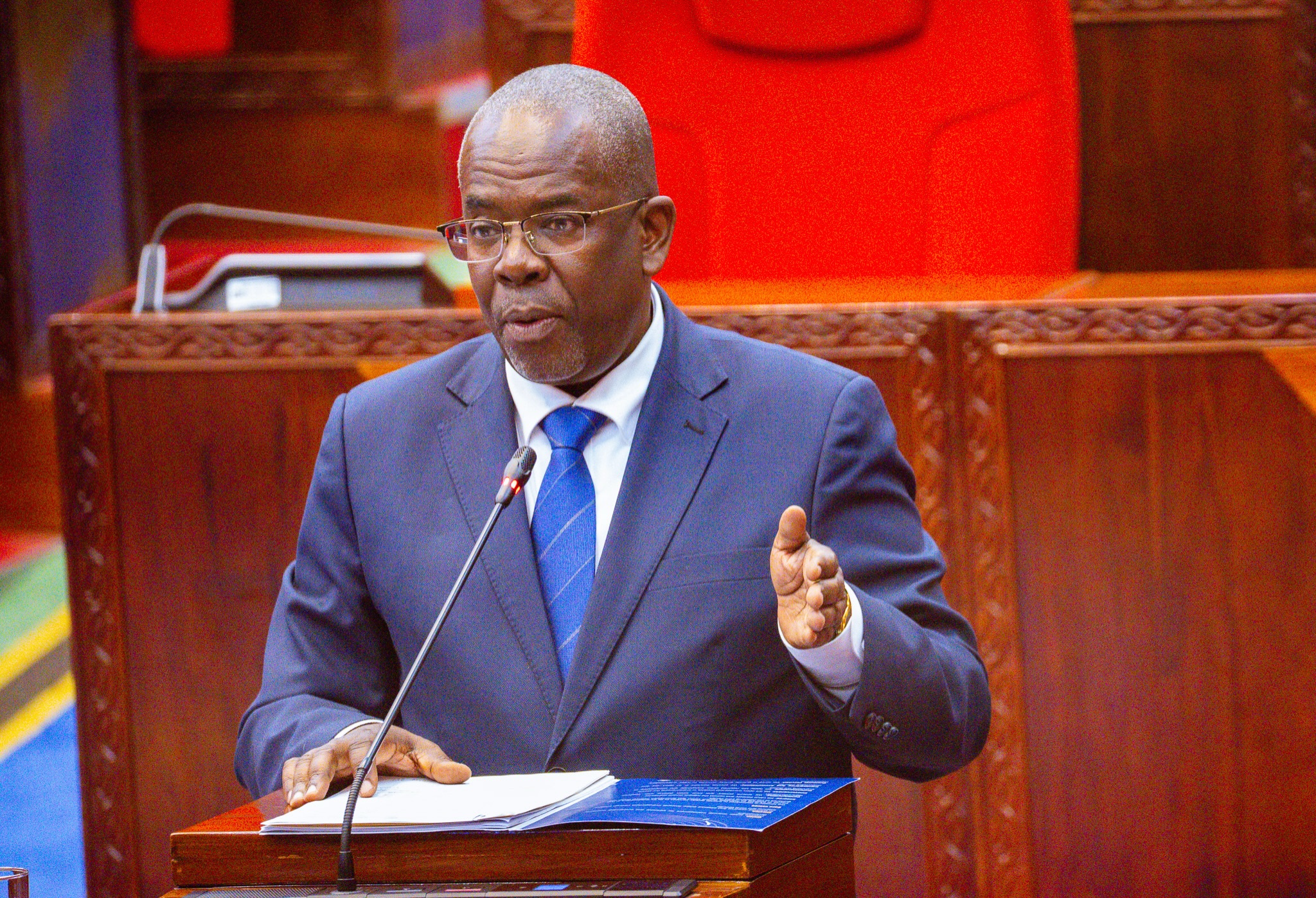
Tanzania Pledges to Review Budget Guidelines for Financial Discipline
The Tanzanian government has pledged to review its 2026/27–2028/29 Medium-Term Plan and Budget Preparation Guidelines, incorporating recommendations from Members of Parliament, with the stated aim of strengthening public financial discipline, improving development project management, and enhancing budget implementation efficiency. This commitment, articulated by Finance Minister Ambassador Khamis Mussa Omar, signifies a proactive governmental effort to refine its fiscal planning and execution frameworks, directly responding to legislative input and aiming for more robust public financial management. The review targets a multi-year planning horizon, indicating a strategic, long-term approach to fiscal reform.
The legal significance of this pledge for practitioners, businesses, and the public in Tanzania is considerable, as it signals a potential shift towards greater transparency, accountability, and efficiency in public spending. For businesses, particularly those involved in public procurement, infrastructure development, or public-private partnerships, revised guidelines could lead to more predictable project cycles, clearer contractual terms, and potentially more stringent compliance and reporting requirements. Improved public financial discipline could also foster a more stable economic environment, reducing fiscal risks and enhancing investor confidence. Conversely, it may also mean a more rigorous vetting process for government projects and contracts, demanding higher standards of financial probity and project management from private sector partners.
This development is situated within Tanzania's comprehensive legal and regulatory framework for public financial management. The Public Finance Act is the cornerstone legislation governing the management of public funds, while the Public Procurement Act regulates government contracting. The budget preparation process itself is guided by specific guidelines issued by the Ministry of Finance, which operationalize these statutory requirements and national development policies. The involvement of Members of Parliament in providing recommendations underscores the critical role of legislative oversight in the budget cycle, as mandated by the Constitution of the United Republic of Tanzania and parliamentary standing orders, ensuring that public funds are managed in the public interest and with accountability to the electorate.
The key parties involved in this initiative are the Tanzanian government, primarily through the Ministry of Finance, represented by Finance Minister Ambassador Khamis Mussa Omar, and the Members of Parliament, whose views and recommendations are being incorporated into the review process. While specific parliamentary committees or individual MPs are not named, their collective input is central to the government's commitment. This collaborative approach between the executive and legislative branches highlights the inter-institutional efforts to enhance fiscal governance. The outcome of this review, specifically the revised guidelines, is not yet reported, as the process is still underway.
Attorneys advising clients on public procurement, government contracts, or public-private partnerships in Tanzania should closely monitor the progress of this review and the eventual publication of the revised 2026/27–2028/29 Medium-Term Plan and Budget Preparation Guidelines. These changes are likely to impact the budgeting cycles, project approval processes, and the compliance landscape for businesses seeking to engage with the government. Practitioners should proactively advise clients to prepare for potentially more stringent financial discipline, enhanced reporting standards, and a greater emphasis on efficiency and value for money in government projects. Understanding the nuances of the new guidelines will be crucial for successful engagement with the public sector.
How does this affect you?
Get an AI analysis of this article grounded in your jurisdictions, practice areas, and any policy documents you've uploaded to Wansom.
Wansom is AI and can make mistakes.