
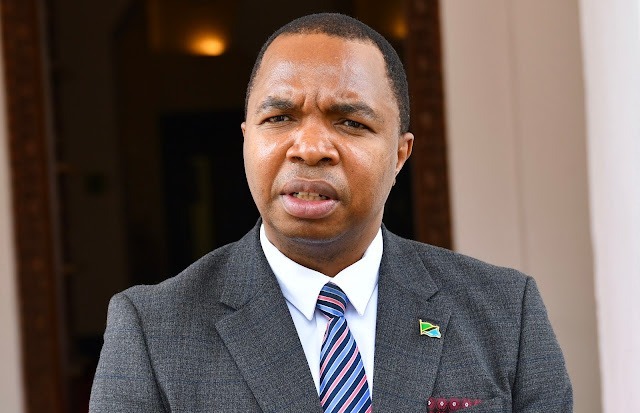
Tanzania Considers Road User Charges for Infrastructure Funding
The Tanzanian government, through its Minister for Works, Masanja Kadogosa, announced in Dodoma during a parliamentary debate on the 2027/28 National Development Plan that it is exploring charging users of selected roads as a mechanism to fund road construction and maintenance. This initiative signals a potential shift in the country's infrastructure financing strategy, moving towards a user-pays model for specific road networks. The Minister's statement indicates that this arrangement is already under consideration as part of broader efforts to secure sustainable funding for critical national infrastructure projects.
This development carries significant legal and economic implications for practitioners, businesses, and the public in Tanzania. For businesses involved in logistics, transportation, and supply chain management, the introduction of road user charges could directly impact operational costs, potentially leading to increased prices for goods and services. Legal professionals will need to advise clients on the potential financial burdens, compliance requirements, and contractual adjustments that may arise from such a policy. Furthermore, it opens avenues for public-private partnerships in infrastructure development and management, requiring expertise in concession agreements, regulatory compliance, and project finance.
The legal context for implementing such charges would likely involve amendments to existing legislation, such as the Roads Act (Cap. 373 R.E. 2002), or the enactment of new specific statutes and regulations governing road user charges or tolling. The parliamentary debate on the National Development Plan underscores the legislative process required for such a significant policy change, ensuring public scrutiny and legal legitimacy. Public finance laws, procurement regulations, and potentially environmental impact assessments would also be relevant, particularly if new road projects or private sector involvement are contemplated. The key parties involved are primarily the Tanzanian Government, specifically the Ministry of Works and its Minister, Masanja Kadogosa, along with Members of Parliament who will debate and approve the necessary legislative frameworks. Road users, both commercial and private, will be directly affected, and potential private sector entities may emerge as operators or developers of these charged roads.
Attorneys should proactively monitor legislative and regulatory developments emanating from the Ministry of Works and the Tanzanian Parliament concerning road user charges. Businesses, especially those heavily reliant on road transportation, should begin assessing the potential financial impact on their operations, supply chains, and pricing strategies. Legal professionals should prepare to advise clients on new compliance obligations, potential contractual renegotiations, and opportunities arising from public-private partnerships in infrastructure. While the excerpt indicates the government is considering these options, the specific details, timelines, and the outcome of this proposal are not yet reported, necessitating close observation of future announcements and legislative proceedings.
How does this affect you?
Get an AI analysis of this article grounded in your jurisdictions, practice areas, and any policy documents you've uploaded to Wansom.
Wansom is AI and can make mistakes.