
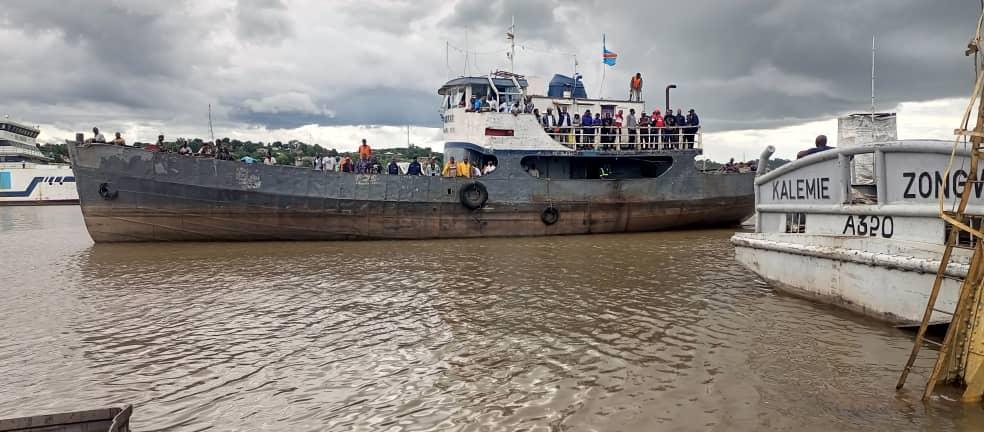
Tanganyika: Enacts Night Navigation Ban for Baleinières
Summary
- The Tanganyika provincial government has banned night navigation for baleinière and low-tonnage vessels on Lake Tanganyika.
- This prohibition was enacted following the sinking of the MV/MJP last Wednesday.
- The MV/MJP incident resulted in 43 survivors, with several individuals still reported missing.
- The decree aims to enhance safety and prevent future maritime accidents on the lake.
Immediate Navigation Restrictions on Lake Tanganyika
The provincial government of Tanganyika has enacted an immediate prohibition on night navigation for specific vessel types operating on Lake Tanganyika.
The provincial government of Tanganyika has enacted an immediate prohibition on night navigation for specific vessel types operating on Lake Tanganyika. This new regulation targets both baleinière and other low-tonnage vessels, barring them from operating during nighttime hours across the vast freshwater body.
This decisive action follows a recent maritime incident involving the MV/MJP, which sank last Wednesday. The provisional assessment of the disaster indicates that while 43 individuals were rescued, a significant number of people remain unaccounted for, prompting urgent safety measures from the authorities.
The decree aims to enhance safety protocols and prevent future tragedies on the lake, which serves as a vital transport route for communities in the region. The focus on night navigation for smaller vessels suggests a recognition of heightened risks associated with reduced visibility and potentially less robust safety equipment on these particular craft.
Provincial Government's Regulatory Decree
The Tanganyika provincial government decree explicitly interdicts night navigation for baleinière and vessels classified as low-tonnage. This measure, issued by the highest provincial authority, underscores a commitment to public safety following the MV/MJP naufrage regulation.
The prohibition is comprehensive for the specified vessel categories, meaning any operation after dark is now illegal. This represents a significant shift in maritime transport law for these smaller vessels on Lac Tanganyika, requiring immediate compliance from all operators.
Authorities have not yet detailed the enforcement mechanisms or potential penalties for non-compliance, but the immediate nature of the ban suggests a strong intent to ensure adherence. The decree is a direct response to the recent sinking, aiming to mitigate risks associated with night-time travel, particularly for less robust vessels.
Broader Implications for Maritime Operations
This new regulation carries substantial implications for maritime transport operators and the communities reliant on Lake Tanganyika for commerce and travel. Owners and captains of baleinière and other low-tonnage vessels must now adjust their schedules and operational procedures to strictly adhere to the night navigation prohibition, potentially impacting delivery times and travel itineraries.
The focus on specific vessel types highlights a targeted approach to risk management, acknowledging that smaller, less equipped boats may face greater hazards during hours of darkness. This could lead to increased daytime traffic and potentially longer journey times for goods and passengers.
For legal professionals advising clients in the maritime sector within the Tanganyika province, this decree necessitates immediate communication regarding compliance. Ensuring that operators understand and implement the Lac Tanganyika night navigation prohibition is crucial for avoiding legal liabilities and operational disruptions, aligning with broader RDC maritime transport law principles focused on safety.
Practical Implications
Lawyers advising maritime transport operators and insurers in the Tanganyika province must inform clients of the immediate ban on night navigation for baleinière and low-tonnage vessels on Lake Tanganyika, ensuring compliance to mitigate legal liabilities and operational disruptions.
Source
How does this affect you?
Get an AI analysis of this article grounded in your jurisdictions, practice areas, and any policy documents you've uploaded to Wansom.
Finish Reading the Full Story and the Expert Analysis.
Get the latest legal & regulatory intelligence in DR Congo
Wansom is AI and can make mistakes.