
Syria President Sharaa: Appoints Mazloum Abdi as Adviser
Summary
- Syrian President Ahmed al-Sharaa officially appointed Kurdish leader Mazloum Abdi as a presidential adviser on Friday.
- This appointment followed Abdi's announcement on Tuesday of the dissolution of the U.S.-backed Syrian Democratic Forces (SDF).
- The dissolution and integration of Kurdish forces into the state were part of a January deal with President Sharaa, ending Kurdish hopes for autonomy.
- The Education Ministry also authorized Kurdish-language instruction in public and private schools as part of these developments.
- U.S. special envoy Tom Barrack praised the integration as a diplomatic solution that strengthens Syria and respects Kurdish contributions to regional stability.
Key Appointment Signals New Era
This comprehensive integration deal represents a substantial triumph for President Sharaa and his administration, effectively extending central government authority.
Syrian President Ahmed al-Sharaa has officially appointed prominent Kurdish leader Mazloum Abdi as a presidential adviser, an announcement made by state media on Friday. This significant development follows closely on the heels of Abdi's declaration earlier in the week, on Tuesday, that his Kurdish forces would be dissolved. The dissolution is a direct outcome of an integration agreement reached with the Damascus government in January, aiming to unify various factions under state control.
The official decree, signed by President Sharaa and disseminated by the state news agency SANA, explicitly named "Mustafa Khalil Abdi" to the advisory role within the presidency of the republic. This move underscores the new Islamist authorities' ongoing efforts to consolidate state power across the nation, following their overthrow of long-serving ruler Bashar Assad in 2024. In a related governmental action, the Education Ministry also issued a decision permitting the use of Kurdish language for instruction in both public and private educational institutions.
Integration and Shifting Power Dynamics
For many years, Mazloum Abdi, known by various names throughout his career, commanded the Kurdish-led Syrian Democratic Forces (SDF). These U.S.-backed fighters played a crucial role in the conflict against the Islamic State group, standing at the forefront of the battle. The recent January agreement between Abdi and President Sharaa mandates the integration of these Kurdish forces, along with their civilian administration, directly into the Syrian state apparatus.
This comprehensive integration deal represents a substantial triumph for President Sharaa and his administration, effectively extending central government authority. However, it simultaneously brings an end to the long-cherished aspirations of the Kurdish population for official autonomy within Syria. The dissolution of the SDF, announced by Abdi on Tuesday, marks a pivotal moment in the country's post-Assad political landscape, reshaping the internal power balance.
International Reaction and Broader Context
The integration process and Abdi's appointment have drawn attention from international observers. U.S. special envoy to Syria, Tom Barrack, commented on Tuesday, characterizing the situation as an example of "real integration." Barrack emphasized the importance of former adversaries with differing viewpoints collaborating to forge a diplomatic resolution that ultimately strengthens the sovereign nation of Syria.
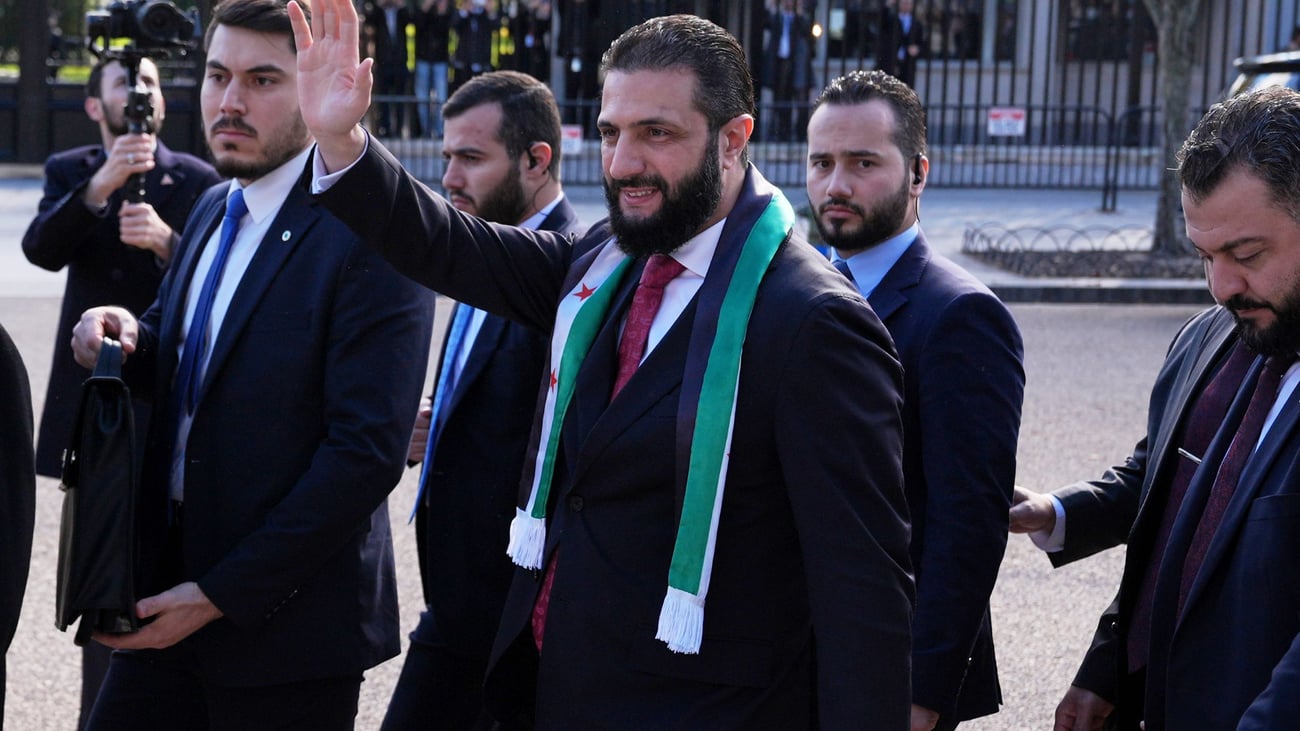
Barrack further highlighted the significance of providing "substantive roles" for "valued partners," including Abdi, within the government structure. He stated that such actions demonstrate due respect for their leadership, acknowledge the sacrifices made by Kurdish partners, and recognize their constructive contributions to regional stability. However, Barrack did not specify the exact nature of Abdi's new advisory responsibilities. This broader effort by the new Islamist authorities to extend state control is part of a wider strategy, as evidenced by President Ahmed al-Sharaa's visit to Washington on Monday, November 10, 2025, where he greeted supporters outside the White House following a meeting with President Donald Trump.
Source
How does this affect you?
Get an AI analysis of this article grounded in your jurisdictions, practice areas, and any policy documents you've uploaded to Wansom.
Finish Reading the Full Expert Analysis.
Wansom is AI and can make mistakes.