
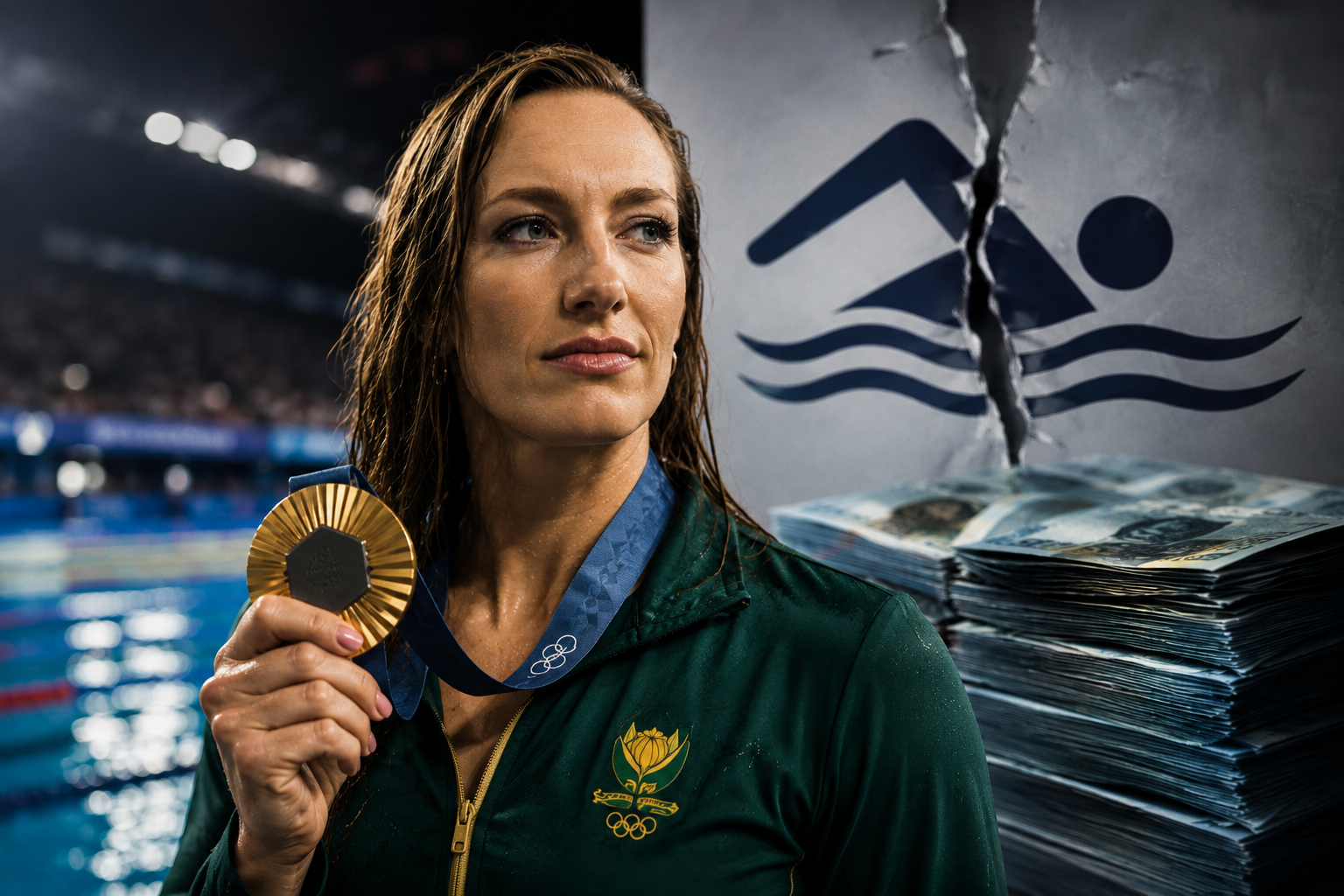
Swimming SA: Restrictive Athlete Contracts Spark Tatjana Smith Dispute
Summary
- Tatjana Smith's decision to swim for the Netherlands has intensified a debate about how South Africa treats its athletes.
- Swimming South Africa admitted wrongdoing in withholding prize money from Smith, which was eventually repaid after being due since 2023.
- Wian Spies of Hurter Spies Attorneys highlighted an unhealthy relationship between athletes and federations, marked by a lack of support and restrictive contracts.
- Athletes, unlike federation officials, do not earn salaries and rely on prize money and independent sponsorships for their income.
- Attorneys are actively scrutinizing Swimming South Africa's agreements with sponsors like Arena, questioning federations' power to restrict individual athlete endorsements.
The Athlete's Ordeal
The question of whether sports federations should possess the authority to curtail an athlete's individual sponsorship opportunities, especially when such endorsements are vital for funding their careers, is a critical legal and ethical concern.
Tatjana Smith, South Africa's most decorated Olympian, recently made headlines for her decision to represent the Netherlands, a move that has intensified a national conversation about the treatment of athletic talent within the country. This broader discussion encompasses issues ranging from withheld prize money and restrictive sponsorship agreements to the significant financial pressures faced by athletes and concerns over their ability to express themselves freely. Central to this debate is a well-publicized dispute involving Smith and Swimming South Africa concerning prize money.
The Athlete's Ordeal
Wian Spies, a director at Hurter Spies Attorneys, who represented Smith in this matter, highlighted the systemic issues at play. Swimming South Africa ultimately acknowledged its error in withholding funds from Smith, leading to restitution. The final payment, including interest, was disbursed in three monthly installments, with Smith receiving her full entitlement just two days prior to recent reports, after the amount had been due since 2023. This prize money, earned by Smith for securing two medals at a specific competition, was not a contribution from the federation itself, but rather funds paid by the competition organizers to Swimming South Africa as an intermediary, intended for onward payment to the athlete.
Systemic Challenges in Sports Governance
The resolution of Smith's prize money dispute, while positive for the athlete, underscored a more profound problem: an "unhealthy relationship" between athletes and South African sports federations. Spies noted a pervasive lack of moral and financial support for athletes, with financial assistance often limited to covering basic travel and, in some instances, accommodation costs, offering little in the way of direct financial benefit. Furthermore, requests for information from athletes have frequently been met with complete disregard, exacerbating the strained dynamic.
A significant point of contention revolves around the conflict between an athlete's personal sponsorship opportunities and the agreements held by the federation. Unlike officials at Swimming South Africa who receive salaries, athletes must perform at exceptionally high levels to earn income from competitions. Given that specific funding rarely flows directly to athletes beyond their prize winnings, the ability to secure independent sponsors is crucial for their financial stability and career progression. This reality makes the imposition of Swimming SA restrictive athlete contracts particularly problematic.
The Legal and Ethical Landscape of Athlete Rights
The question of whether sports federations should possess the authority to curtail an athlete's individual sponsorship opportunities, especially when such endorsements are vital for funding their careers, is a critical legal and ethical concern. Spies firmly asserted that federations should not wield such power over athletes. He emphasized that the prize money Smith received was a direct result of her competitive achievements, not a discretionary payment from Swimming South Africa, which merely acted as a conduit for funds from the competition.
In light of these challenges, Hurter Spies Attorneys has actively sought access to Swimming South Africa's agreement with the sports brand Arena. This action highlights the ongoing scrutiny of how athlete sponsorship agreements in South Africa are structured and managed, particularly when they appear to limit an athlete's independent earning potential. The broader implications touch upon fundamental South African sports federations athlete rights and the need for transparency in financial dealings within sports federations.
Broader Implications for South African Sport
The Tatjana Smith prize money dispute and the associated revelations about Swimming SA restrictive athlete contracts serve as a potent illustration of the systemic issues facing South African sporting talent. The situation raises serious questions about the accountability of organizations tasked with supporting athletes and the extent to which they prioritize athlete welfare and career sustainability. The ongoing debate extends beyond individual cases, prompting a re-evaluation of governance practices across South African sports federations.
Ensuring that athletes are not silenced through contractual clauses or financial leverage is paramount for fostering a healthy and equitable sporting environment. The outcome of such disputes, and the willingness of federations to adapt their practices, will significantly influence the trajectory of athlete careers and the overall competitiveness of South African sport on the international stage. This case underscores the urgent need for robust frameworks that protect athlete rights and promote fair financial practices.
Practical Implications
Lawyers advising athletes or sports federations in South Africa should scrutinize athlete contracts for clauses restricting independent sponsorship opportunities or dictating prize money distribution, as these may be legally challenged for unfairness and non-compliance with athlete rights, potentially leading to disputes like the Tatjana Smith case.
Source
How does this affect you?
Get an AI analysis of this article grounded in your jurisdictions, practice areas, and any policy documents you've uploaded to Wansom.
Finish Reading the Full Story and the Expert Analysis.
Get the latest legal & regulatory intelligence in South Africa
Wansom is AI and can make mistakes.