
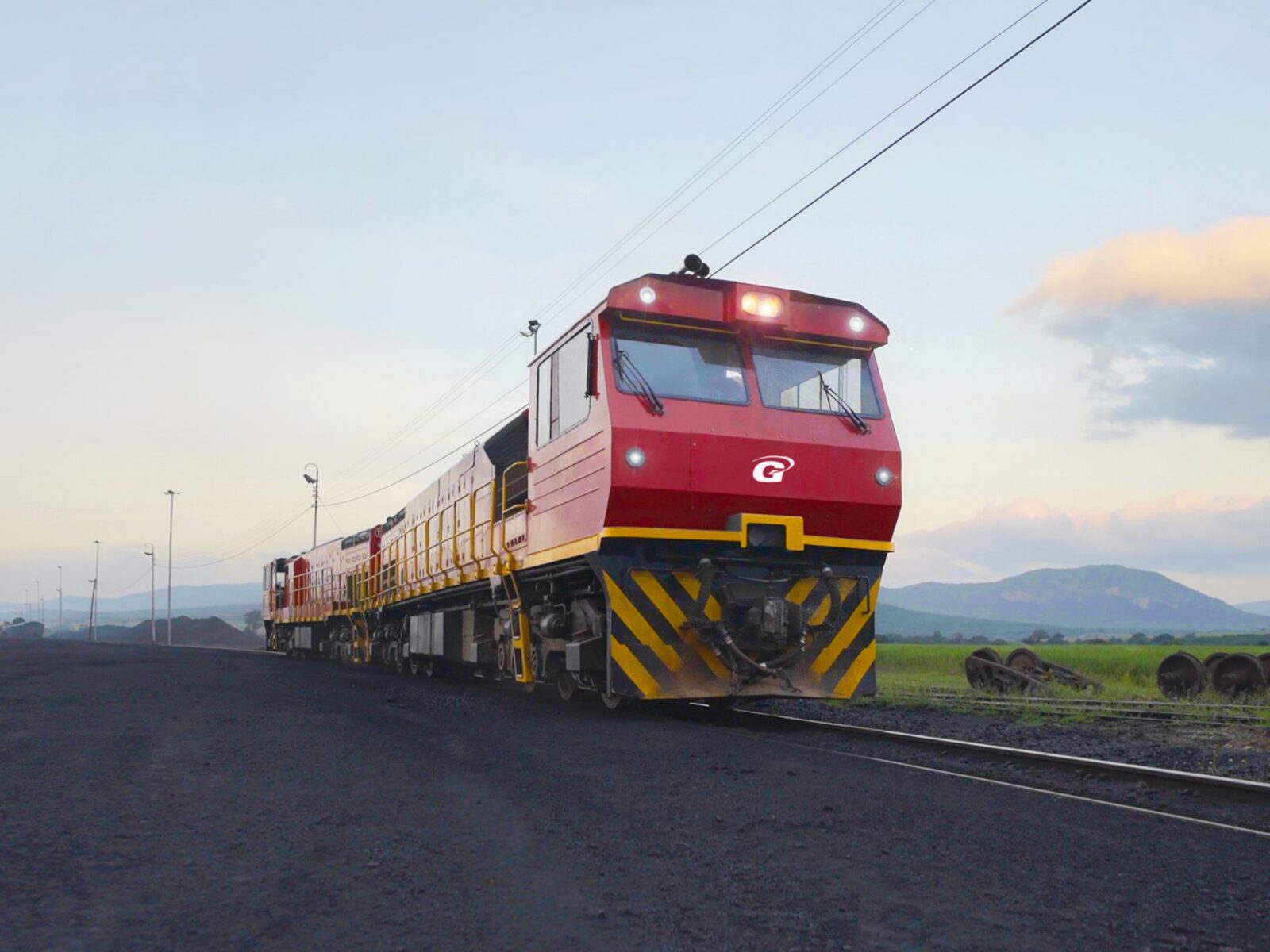
Grindrod SA: First Open-Access Rail Test on National Network
Summary
- Grindrod successfully completed the first private train test on South Africa's national freight rail network under the new open-access framework on November 2, carrying 2,991 tonnes.
- The Southern African Association of Freight Forwarders (Saaff) commended Grindrod, Transnet Rail Infrastructure Manager, and the Department of Transport for this milestone.
- Commercial services are planned for 2027, aiming to transport 288,000 tonnes in the first year, contributing to projected rail freight volume growth.
- The State of Logistics 2026 report estimates rail underperformance will cost the economy R180.8 billion in 2025, highlighting the need for continued reform.
- This initiative seeks to enhance capacity, reduce costs, and integrate rail into a synchromodal logistics network for greater efficiency.
A Landmark Achievement for SA Rail
The successful test is anticipated to yield positive effects on the cost, overall capacity, and seamless flow of cargo throughout the nation.
On November 2, a significant milestone was reached in South Africa's freight logistics sector when Grindrod successfully conducted a train test on the North-East Corridor. This operation, which transported 2,991 tonnes of freight, marks Grindrod as the inaugural private train operating company to utilize the national freight rail network under the country's recently introduced open-access rail framework. This event has been widely lauded as a pivotal step towards enhancing the efficiency and capacity of the SA freight rail network.
The Southern African Association of Freight Forwarders (Saaff) extended its commendations to Grindrod, the Transnet Rail Infrastructure Manager (TRIM), and the Department of Transport for their collaborative efforts in achieving this feat. The successful test is anticipated to yield positive effects on the cost, overall capacity, and seamless flow of cargo throughout the nation. While the test demonstrates operational readiness, Saaff emphasizes that consistent commercial delivery will be crucial for realizing enduring value from this initiative.
Advancing South Africa Rail Reform
This groundbreaking test is a direct outcome of the ongoing South Africa rail reform efforts, specifically the implementation of the Transnet open access framework. This framework is designed to allow private operators to run trains on the state-owned rail infrastructure, a move intended to inject much-needed investment and expertise into the system. The reform aims to bridge the substantial gap between the rail network's designed carrying capacity and its historically underperforming operational reality.
The success of the Grindrod private rail operator in this test underscores the potential for new entrants to contribute significantly to the rail sector. Optimal utilization of infrastructure is paramount for generating economic value, and the introduction of private entities can bring additional equipment, capital, and specialized knowledge. This is critical because effective rail performance encompasses more than just tracks; it relies on a complex interplay of locomotives, wagons, signaling systems, diligent maintenance, secure operations, and reliable terminal facilities.
Economic Impact and Future Prospects
The economic implications of this development are substantial, pointing towards a more efficient and robust logistics future for South Africa. Commercial services, projected to commence in 2027, are expected to facilitate the movement of approximately 288,000 tonnes of freight in their initial year. This expansion is vital for sustaining the projected growth in rail freight volumes, which the State of Logistics (SoL) 2026 report, cited by the Saaff Cargo Movement Update on October 25, forecasts to increase from 149.5 million tonnes in 2022/2023 to 167.9 million tonnes by 2025/2026—a notable 12.3% rise, or 18.4 million tonnes.
The urgency for continued rail reform is underscored by the significant economic losses attributed to current rail underperformance. The SoL report estimates that these inefficiencies will cost the economy R180.8 billion in 2025, comprising R92.4 billion from transport inefficiencies and an additional R88.4 billion from foregone bulk mineral exports. By fostering reliable general freight services and reducing avoidable supply chain costs, the open-access framework aims to mitigate these losses and restore rail to its rightful place within a comprehensive synchromodal logistics network. This integrated approach seeks to harmonize road, rail, ports, and inland terminals to meet freight demand efficiently and cost-effectively, leveraging rail's inherent advantages for large, predictable loads over extended distances.
Practical Implications
Lawyers advising logistics, freight, or mining companies in South Africa should monitor the implementation of the open-access rail framework. This development signals new opportunities for private sector involvement, requiring legal review of new operational agreements, compliance with evolving regulatory requirements, and potential competition law implications as the rail sector opens up.
Source
How does this affect you?
Get an AI analysis of this article grounded in your jurisdictions, practice areas, and any policy documents you've uploaded to Wansom.
Finish Reading the Full Story and the Expert Analysis.
Get the latest legal & regulatory intelligence in South Africa
Wansom is AI and can make mistakes.