
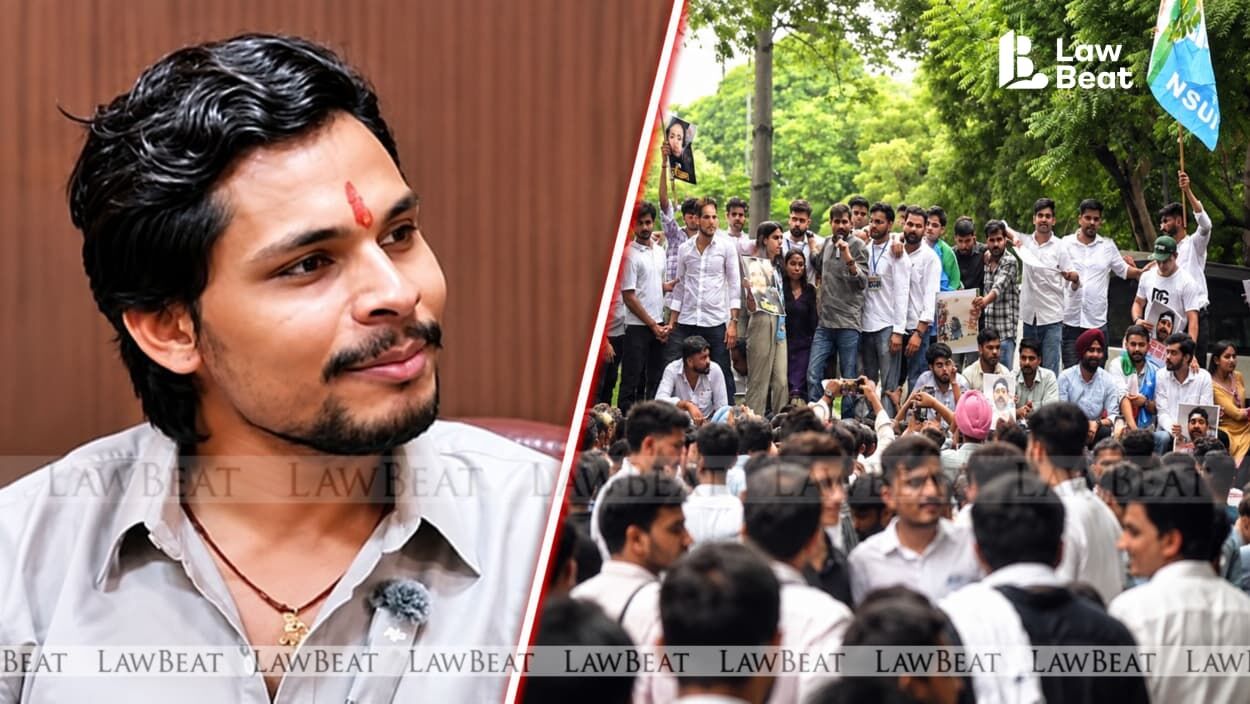
Patiala House Court: Swatantra Bhardwaj Granted Jantar Mantar Interim Bail
Summary
- Swatantra Bhardwaj was granted three-week interim bail by Delhi's Patiala House Court in an alleged assault case.
- Additional Sessions Judge Saurabh Pratap Singh Laler issued the order today, following in-camera proceedings.
- The case relates to an incident during a Jantar Mantar protest involving the father of a minor protester.
- Bhardwaj was arrested on September 4 and underwent police and judicial custody before receiving this temporary relief.
- The FIR includes allegations of simple hurt and casteist slurs, invoking sections of the Bharatiya Nyaya Sanhita and the SC/ST Act.
Interim Bail Granted in Jantar Mantar Assault Case
The decision offers crucial insights for criminal law practitioners in India, particularly those navigating cases under the Scheduled Castes and Scheduled Tribes (Prevention of Atrocities) Act or the newly enacted Bharatiya Nyaya Sanhita.
Delhi's Patiala House Court has granted a three-week interim bail to Swatantra Bhardwaj in connection with an alleged assault case stemming from a protest at Jantar Mantar. The order, issued by Additional Sessions Judge (ASJ) Saurabh Pratap Singh Laler, was delivered today at 3:15 PM, following the reservation of the verdict yesterday. The proceedings leading to this decision were conducted in camera, maintaining privacy around the arguments and deliberations.
This temporary relief for Swatantra Bhardwaj pertains to an incident involving the father of a minor protester during a demonstration. The **Patiala House Court interim bail** marks a significant development in the ongoing legal proceedings, allowing Bhardwaj a period of release from custody. The court's decision provides a temporary reprieve in a case that has drawn attention due to its context within a public demonstration and the specific legal provisions invoked.
Custody Timeline and Initial Allegations
Bhardwaj's journey through the **Delhi criminal bail procedure** began with his detention in Bulandshahr on September 4 by the Delhi Police Crime Branch. Following his apprehension, he was subsequently presented before the Patiala House Court. Initially, the court sanctioned one day of police custody for further investigation into the matter.
After the period of police custody concluded, Bhardwaj was remanded to judicial custody for one day by the Duty Magistrate. This was followed by a further order from the concerned court, which extended his judicial custody for a period of 14 days. The **Jantar Mantar assault case bail** application emerged against this backdrop of sustained judicial custody, highlighting the procedural steps involved in such criminal matters.
Legal Framework and Expanded Charges
The First Information Report (FIR) in this case, bearing number 0062/2026, initially focused on allegations of simple hurt. However, the scope of the charges expanded significantly during the investigation. A supplementary statement recorded by authorities led to the inclusion of provisions from the Scheduled Castes and Scheduled Tribes (Prevention of Atrocities) Act.
Specifically, the FIR now invokes Sections 3(1)(r) and 3(1)(s) of the SC/ST Act, alongside allegations of casteist slurs. Furthermore, the charges also incorporate Sections 115, 125, and 126 of the newly enacted **Bharatiya Nyaya Sanhita Sections 115 125 126**. It is also noted that Bhardwaj had previously challenged his arrest and continued custody before the Delhi High Court, indicating a sustained legal effort on his part prior to this interim bail grant.
Implications for Criminal Law Practice
The granting of **Swatantra Bhardwaj Jantar Mantar interim bail** offers crucial insights for criminal law practitioners in India, particularly those navigating cases under the Scheduled Castes and Scheduled Tribes (Prevention of Atrocities) Act or the newly enacted Bharatiya Nyaya Sanhita. This order provides a contemporary example of the court's approach to granting temporary relief in high-profile assault cases that involve specific and sensitive statutory provisions.
Lawyers should observe how courts are interpreting and applying the provisions of the Bharatiya Nyaya Sanhita, which represents a significant shift in India's criminal justice landscape. The decision also underscores the complexities involved when allegations under the SC/ST Act are introduced, often impacting the bail process. This case serves as a practical illustration of the evolving legal environment and judicial discretion in matters of personal liberty.
Practical Implications
Lawyers practicing criminal law in India, particularly those dealing with cases involving the Scheduled Castes and Scheduled Tribes (Prevention of Atrocities) Act or the newly enacted Bharatiya Nyaya Sanhita, should note this interim bail order. It provides insight into the court's current approach to granting temporary relief in high-profile assault cases involving specific statutory provisions.
Source
Source: Details from court reporting
How does this affect you?
Get an AI analysis of this article grounded in your jurisdictions, practice areas, and any policy documents you've uploaded to Wansom.
Finish Reading the Full Story and the Expert Analysis.
Get the latest legal & regulatory intelligence in India
Wansom is AI and can make mistakes.