
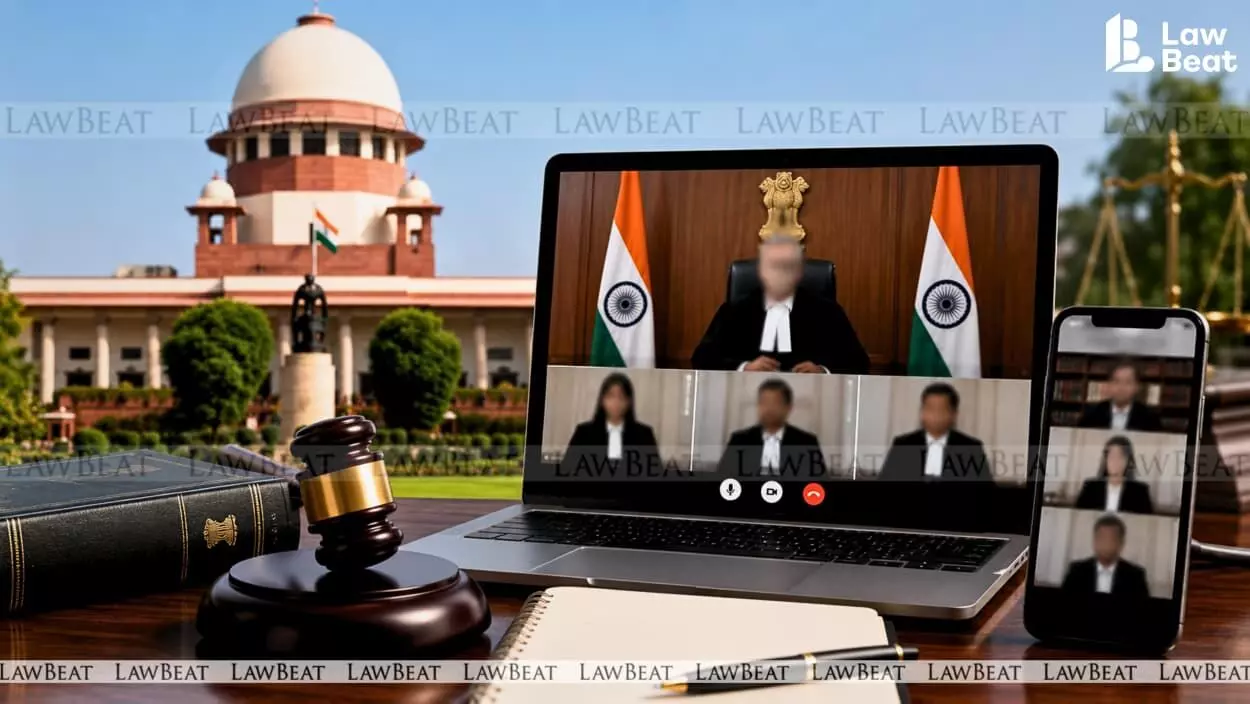
MeitY: Developing Policy for Court Proceedings Recordings Use
Summary
- MeitY is developing a policy and guidelines to address the unauthorized use of audio and video recordings from court proceedings.
- This initiative follows a PIL filed by Harshita Grover, which highlighted the distortion of judicial proceedings through edited clips on social media.
- The Supreme Court previously issued interim orders prohibiting the sharing of court recordings on digital platforms without prior permission.
- News outlets are permitted to report on court proceedings but are explicitly forbidden from using audio or video clips in their reportage.
- The upcoming MeitY guidelines will further regulate the dissemination of judicial content, particularly on social media, impacting legal professionals.
What Happened
The ongoing formulation of a MeitY policy on court proceedings recordings underscores the growing challenge posed by the digital landscape to the integrity of judicial processes.
The Ministry of Electronics and Information Technology (MeitY) is actively developing a comprehensive policy to address the unauthorized use of court proceedings recordings. This significant development was communicated to the Supreme Court on Friday, indicating a concerted effort to regulate the digital dissemination of judicial content. Solicitor General Tushar Mehta informed a bench presided over by Chief Justice of India Surya Kant that MeitY is in the process of formulating specific guidelines concerning the unauthorized extraction and circulation of both audio and video recordings from court proceedings.
This initiative stems from a Public Interest Litigation (PIL) filed by Harshita Grover, which specifically calls for stricter regulation over the unapproved extraction and widespread circulation of court audio and video content across social media and various digital platforms. The PIL highlights concerns that clips from India Supreme Court live streaming are frequently edited, taken out of their original context, and then widely shared online, leading to a significant distortion of the actual judicial proceedings. Solicitor General Mehta further assured the bench that MeitY is still in the process of formulating these guidelines, having already gathered suggestions from various High Courts across the country. Earlier this month, the bench had directed the Union of India to formulate these guidelines and present them to the court for consideration within three weeks.
Legal Context
The Supreme Court has already taken interim measures to control the distribution of court proceedings. An order issued on July 24, 2026, explicitly prohibited the posting, reposting, uploading, transmission, or storage of audio and video recordings of court proceedings on social media and other digital platforms without obtaining prior permission. This authorization must come either from the Supreme Court itself or from the relevant High Court. The interim directive also specified that this prohibition would not impede fair and accurate news reporting of judicial proceedings.
Further clarifying its position, the Supreme Court issued an order on September 18, 2026, addressing potential confusion arising from paragraph 11 of its earlier directive. The Court affirmed that its previous order was not intended as a blanket ban on recognized news outlets reporting on court proceedings. News organizations are still permitted to report on developments and judicial pronouncements to inform the general public. However, a crucial restriction remains: audio or video clips from court proceedings are strictly forbidden from being utilized in such reportage. This means while news outlets can continue their reporting, they must adhere to the limitations outlined in paragraph 10 of the original order, specifically concerning the use of visual and auditory content. The July 24 order also mandated the Secretary General of the Supreme Court and Registrar Generals of all High Courts to upload the order on their respective websites for public information.
Why It Matters
The ongoing formulation of a MeitY policy on court proceedings recordings underscores the growing challenge posed by the digital landscape to the integrity of judicial processes. The unauthorized use court recordings India, particularly on social media, can lead to misrepresentation and undermine public trust in the judiciary. The Supreme Court restrictions social media dissemination, coupled with the upcoming MeitY guidelines court video usage, aim to safeguard the sanctity of judicial proceedings from being taken out of context or manipulated for various purposes.
The practical implications of these developments are significant for legal professionals and compliance officers. Monitoring the forthcoming MeitY guidelines on the unauthorized use of court proceedings recordings will be crucial to ensure compliance with restrictions on dissemination, especially on social media. This evolving regulatory environment impacts how legal professionals can utilize and share judicial proceedings for analysis, reporting, or public commentary, necessitating careful attention to avoid potential legal exposure. The Harshita Grover PIL has brought to the forefront the critical need for clear rules governing the use of content derived from India Supreme Court live streaming and other judicial broadcasts.
Practical Implications
Lawyers and compliance officers must monitor the upcoming MeitY guidelines on unauthorized use of court proceedings recordings to ensure compliance with restrictions on dissemination, particularly on social media, and avoid potential legal exposure. This development impacts how legal professionals can utilize and share judicial proceedings for analysis, reporting, or public commentary.
Source
How does this affect you?
Get an AI analysis of this article grounded in your jurisdictions, practice areas, and any policy documents you've uploaded to Wansom.
Finish Reading the Full Story and the Expert Analysis.
Wansom is AI and can make mistakes.