
Supreme Court ECI Bulk Form 7 UP: Probe Mandated for Irregularities
Summary
- The Supreme Court has directed the Election Commission of India to investigate allegations of bulk Form 7 application irregularities in Uttar Pradesh.
- Form 7 applications are used to request the deletion of names from electoral rolls.
- Senior Advocate Kapil Sibal previously reported that nearly 25 lakh names were deleted from Uttar Pradesh electoral rolls during the Special Intensive Revision.
- The ECI initially stated that its investigation found the allegations of bulk Form 7 submissions in Uttar Pradesh to be false.
- The Supreme Court, led by CJI Surya Kant, will keep the case pending until all petitioner-raised issues are addressed by the ECI.
Supreme Court Scrutinizes UP Electoral Roll Deletions
Lawyers advising political parties, non-governmental organizations, or individual voters in Uttar Pradesh should closely monitor the Election Commission of India's compliance report to the Supreme Court regarding these bulk Form 7 filings.
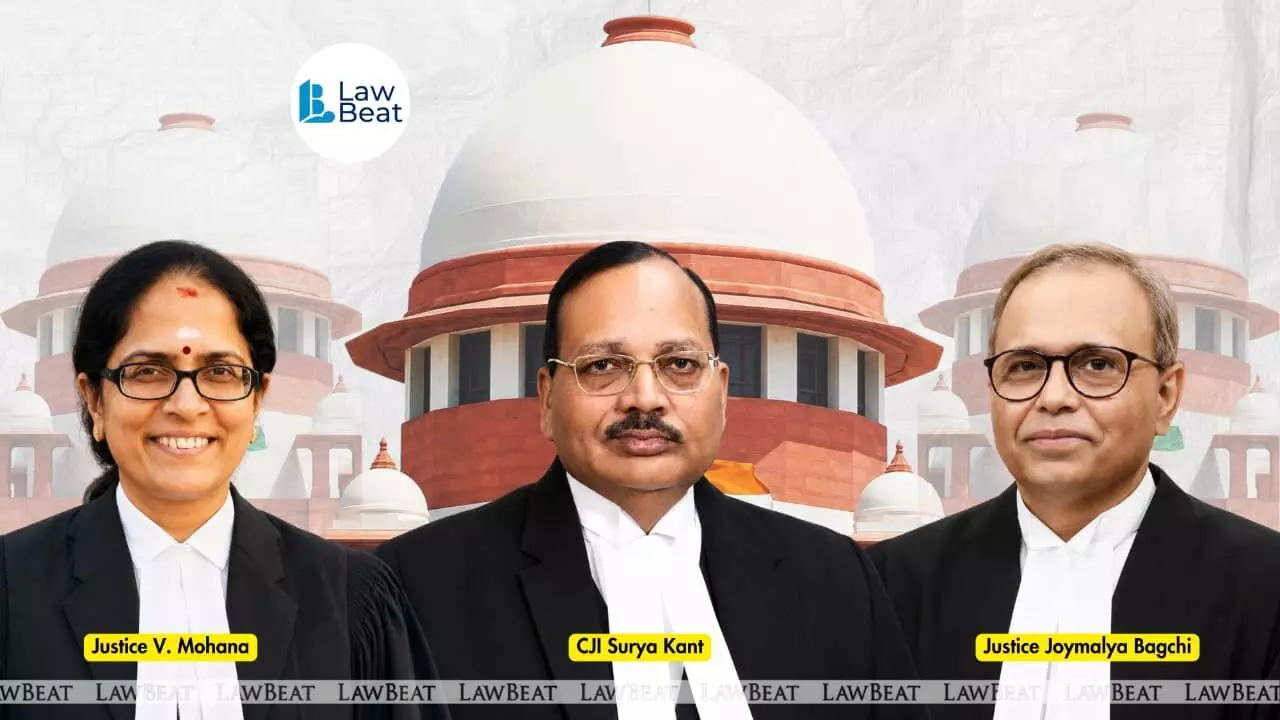
The Supreme Court has mandated the Election Commission of India (ECI) to thoroughly investigate claims of irregularities concerning the bulk submission of Form 7 applications, which are used to request the removal of names from electoral rolls, specifically within Uttar Pradesh. This directive came during the Special Intensive Revision (SIR) of the state's electoral rolls. A bench comprising Chief Justice of India Surya Kant, Justice Joymalya Bagchi, and Justice V Mohana instructed the petitioner in the case of Tanuj Punia v. Election Commission of India to provide a detailed note of outstanding issues directly to the ECI.
During a hearing on October 31, 2026, the ECI, represented by Senior Advocate DS Naidu, informed the court that similar allegations in Chhattisgarh and Kerala had been resolved. For Uttar Pradesh, Naidu stated that an affidavit had been filed after officers investigated the claims of bulk Form 7 submissions and found them to be false. However, the petitioner maintained that the Form 7 issues remained unaddressed. In response, CJI Surya Kant directed the petitioner to submit any remaining concerns to the ECI, which is then required to file a compliance report with the court. The Supreme Court indicated that the matter would remain pending until all identified issues are satisfactorily resolved.
Allegations of Widespread Disenfranchisement
The current judicial scrutiny stems from significant concerns raised last December by Senior Advocate Kapil Sibal, who appeared for one of the petitioners. Sibal highlighted extensive deletions from the electoral rolls, particularly in Uttar Pradesh, estimating that nearly 25 lakh names had been removed. He pointed to striking anomalies in the revision process, such as instances where a husband's name remained on the rolls while his wife's was inexplicably missing.
Sibal also questioned the urgency surrounding the Special Intensive Revision process, noting that the Uttar Pradesh Assembly elections are not scheduled until 2027. He argued that despite this considerable timeframe, the Election Commission was not allowing sufficient time for voters and electoral officials to properly complete the revision exercise. The petitions before the Supreme Court challenge the fundamental legality and methodology of the Special Intensive Revision of electoral rolls across various states, with petitioners asserting that the process carries a substantial risk of disenfranchising legitimate voters.
Precedent from Bihar's Electoral Revision
This ongoing examination of Uttar Pradesh's electoral rolls follows a significant ruling by the Supreme Court in May of this year, which upheld the ECI’s Special Intensive Revision in Bihar. A bench led by CJI Surya Kant concluded that the SIR process does not conflict with the Representation of the People Act, 1950, or its associated rules. The court clarified that the impugned SIR does not supersede existing legislation but rather "breathes life into the constitutional mandate under Article 324 within the precise statutory contours provided by Section 21(3)."
The Supreme Court's ruling in the Bihar case further asserted that the ECI had not exceeded its statutory powers in conducting the SIR. The court emphasized that the objective of the SIR directly aligns with the constitutional goal of ensuring free and fair elections. It underscored that fair elections are not solely dependent on the mechanics of polling but fundamentally rely on the integrity, accuracy, and credibility of the electoral rolls, which serve as the bedrock of the democratic process.
Implications for Electoral Integrity
The Supreme Court's continued oversight of the ECI's handling of bulk Form 7 applications in Uttar Pradesh carries substantial weight for the integrity of future elections and voter rights. Lawyers advising political parties, non-governmental organizations, or individual voters in Uttar Pradesh should closely monitor the Election Commission of India's compliance report to the Supreme Court regarding these bulk Form 7 filings. The outcome of this case could significantly influence how future challenges to voter registration are addressed, impact election petitions, and potentially redefine the ECI's established procedures for maintaining electoral rolls.
This judicial intervention highlights the critical importance of accurate and credible electoral rolls as the foundation of a robust democratic system. The court's insistence on verifying allegations and ensuring corrections underscores a commitment to preventing potential disenfranchisement. The final resolution of the Tanuj Punia v. Election Commission of India case could establish crucial precedents for addressing alleged disenfranchisement and upholding the constitutional mandate for free and fair elections across the nation.
Practical Implications
Lawyers advising political parties, NGOs, or individual voters in Uttar Pradesh should closely monitor the Election Commission of India's compliance report to the Supreme Court regarding bulk Form 7 filings. The outcome could influence future challenges to voter registration, election petitions, and the ECI's procedures for electoral roll maintenance, potentially setting precedents for addressing alleged disenfranchisement.
Source
How does this affect you?
Get an AI analysis of this article grounded in your jurisdictions, practice areas, and any policy documents you've uploaded to Wansom.
Finish Reading the Full Story and the Expert Analysis.
Wansom is AI and can make mistakes.