
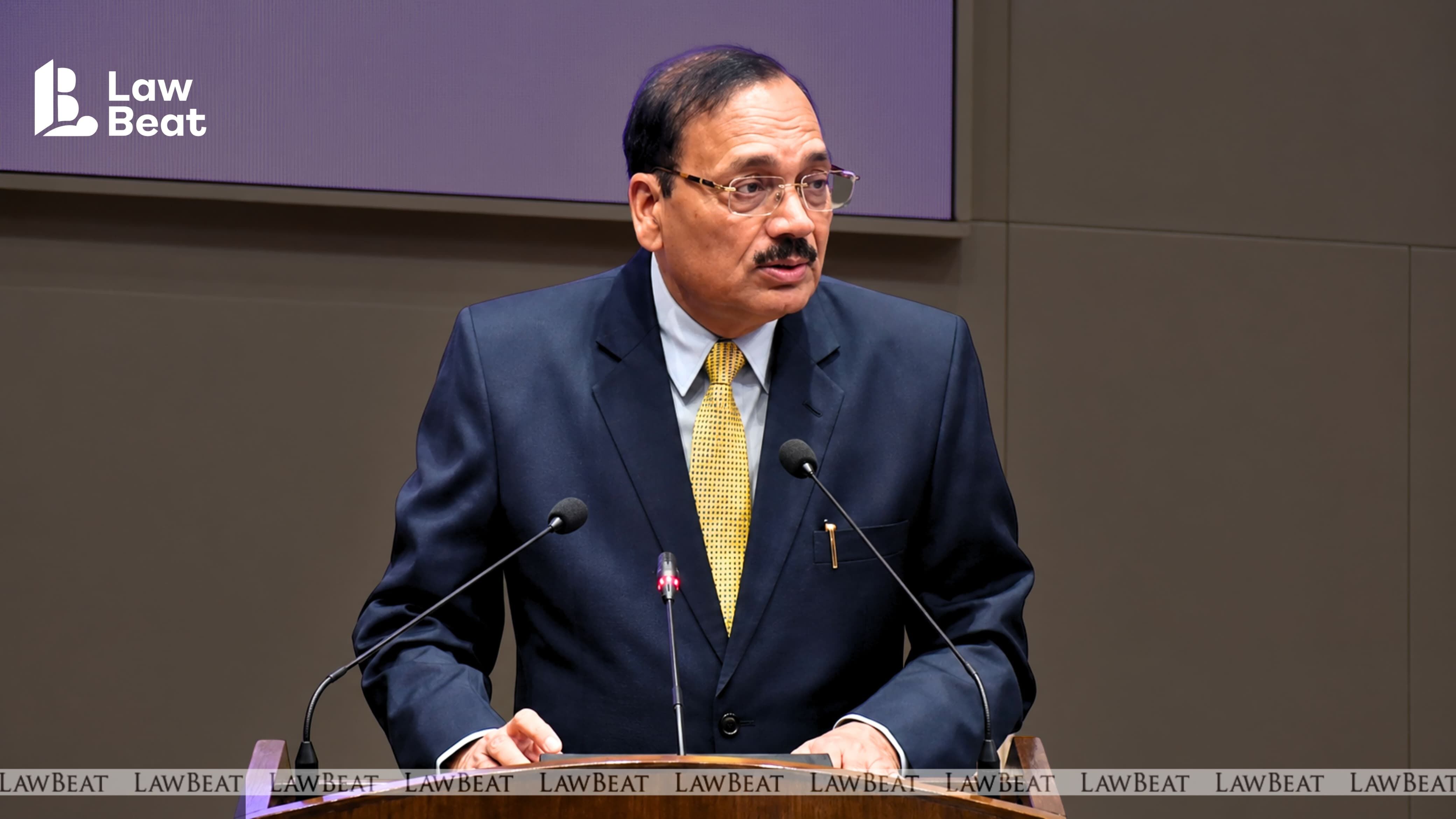
CJI Surya Kant: Proactive Infrastructure Dispute Prevention Urged
Summary
- Chief Justice of India Surya Kant called for a shift from retrospective to preventive justice in infrastructure projects at the FIDIC Global Infrastructure Conference 2026 in New Delhi.
- He emphasized strengthening contractual risk allocation, standardization, and early dispute avoidance mechanisms to prevent disagreements from escalating.
- The Rule of Law, according to CJI Kant, requires clear expectations, defined powers, fair risk allocation, and timely resolution paths, extending beyond mere court intervention.
- Incorrect risk allocation can lead to defensive pricing by contractors and governments bearing unsuitable risks, often resulting in arbitration or litigation.
- CJI Kant highlighted that effective dispute resolution should be an integral part of project governance, not just an emergency exit, and that courts remain the ultimate guarantor.
CJI Calls for Proactive Dispute Prevention
The Chief Justice underscored that the true measure of an effective dispute resolution framework is not the number of conflicts it resolves, but rather how infrequently its services are required by a successfully managed project.
Chief Justice of India Surya Kant recently urged a fundamental shift in the approach to infrastructure projects, advocating for a move from retrospective to preventive justice. Speaking at the FIDIC Global Infrastructure Conference 2026 in New Delhi on Monday, September 14, the Chief Justice emphasized the critical need for robust contractual risk allocation, enhanced standardization, and effective early dispute avoidance mechanisms to preempt conflicts before they escalate.
Addressing delegates from over 70 countries, CJI Surya Kant delivered his remarks under the overarching theme of "The Rule of Law and the Architecture of Infrastructure Delivery." He highlighted the intrinsic link between infrastructure development, the frameworks governing contracts, and the foundational principles of the Rule of Law. This call for a proactive stance on CJI Surya Kant infrastructure dispute prevention signals a judicial preference for systems designed to mitigate rather than merely react to project challenges.
The Chief Justice underscored that while engineers, contractors, and legal professionals may view infrastructure projects through distinct lenses, their ultimate success or failure directly impacts the lives of millions. He famously remarked that the highest commendation an infrastructure project can receive is its "silence," implying that a structure performing its function effectively often goes unnoticed. Conversely, a project only garners a "loud and unhappy voice" when it encounters failure or significant delays.
The Rule of Law and Contractual Foundations
CJI Kant elaborated that the Rule of Law extends far beyond the judiciary's capacity to rectify errors after a project has been disrupted. It mandates the design of processes that ensure clarity of expectations, precise definition of powers, equitable contractual risk allocation infrastructure India, and credible, timely pathways for resolving disagreements. Infrastructure projects are inherently susceptible to various uncertainties, including unforeseen ground conditions, shifts in regulatory landscapes, and circumstances beyond the control of the involved parties.
A pivotal question, according to the Chief Justice, is whether the contractual framework effectively assigns such uncertainties to the party best equipped to comprehend and manage them. He stressed the elaborate contractual structures that underpin these projects, encompassing financing agreements, engineering, procurement, and construction (EPC) contracts, insurance arrangements, government concessions, and various standard forms. The Chief Justice warned that incorrect risk allocation can compel contractors to price defensively, while governments might inadvertently shoulder risks they are ill-suited to bear, frequently leading to costly arbitration or litigation.
Therefore, a meticulously drafted contract must transcend merely documenting commercial terms. It must cultivate a shared understanding among all parties regarding their collective response when unforeseen events impact a project, thereby strengthening Surya Kant infrastructure contracts.
Embracing Early Dispute Avoidance
The Chief Justice placed significant emphasis on the importance of resolving disagreements at the project or site level, well before they mature into formal claims. He cited an example from the nascent stages of a major Indian urban infrastructure project, illustrating how early intervention, transparent communication, and swift determination were instrumental in preventing minor disagreements from becoming entrenched disputes. This highlights the efficacy of early dispute avoidance mechanisms India.
CJI Kant articulated that the finest compliment to a dispute resolution mechanism is not its extensive track record of resolving numerous disputes, but rather the minimal necessity for its use within the project it serves. He posited that dispute resolution should not function solely as an "emergency exit" for a failing project, but rather integrate seamlessly into the routine governance of a successful one, embodying the spirit of preventive justice infrastructure projects.
While advocating for these proactive measures, the Chief Justice affirmed that the courts will continue to serve as the ultimate guarantor of justice within the infrastructure ecosystem.
Practical Implications
Lawyers advising on Indian infrastructure projects should note the Chief Justice of India's emphasis on preventive justice, signaling a judicial preference for robust contractual risk allocation and early dispute resolution mechanisms. This indicates a need to review and strengthen existing contract drafting and project governance strategies to align with this evolving judicial perspective and minimize future litigation.
Source
How does this affect you?
Get an AI analysis of this article grounded in your jurisdictions, practice areas, and any policy documents you've uploaded to Wansom.
Finish Reading the Full Story and the Expert Analysis.
Get the latest legal & regulatory intelligence in India
Wansom is AI and can make mistakes.