
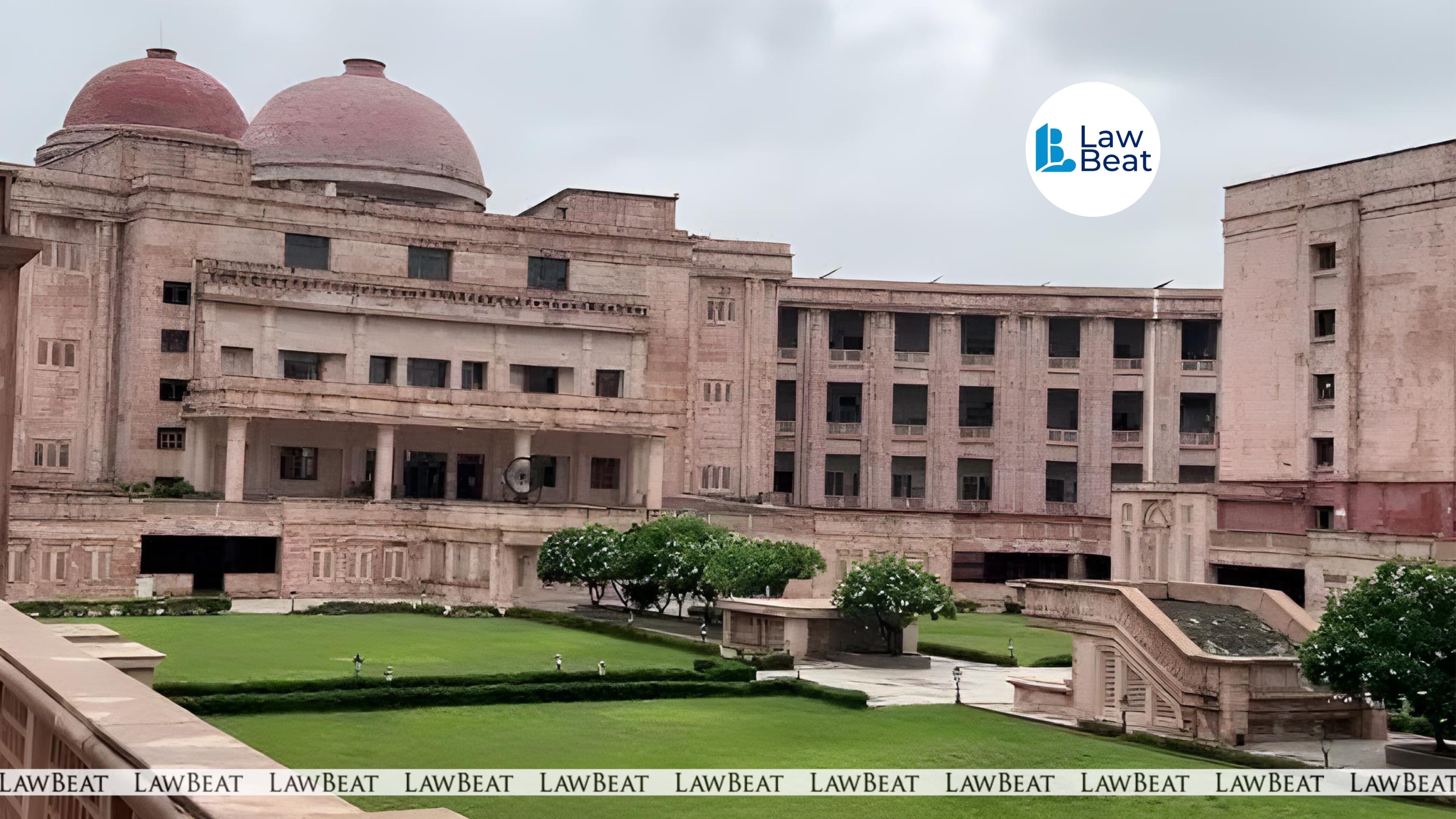
Allahabad High Court: Upholds Lucknow Cyber Arrests of 14 Women
Summary
- The Allahabad High Court upheld the arrests of 14 women involved in an alleged Lucknow fake call centre fraud targeting US citizens.
- The court ruled that a detailed recovery memo, prepared contemporaneously and signed by the accused, sufficiently informed them of the grounds for their arrest.
- This decision, delivered on September 15, dismissed a habeas corpus petition challenging the arrests and a July 2 remand order.
- The High Court emphasized "substantial compliance" with legal procedures, citing Supreme Court judgments like Pankaj Bansal Vs. Union of India (2024) regarding Article 22(1) and BNSS Sections 36, 47, 48.
- The ruling clarifies that documents like recovery memos can satisfy the constitutional and statutory requirement to communicate grounds of arrest.
What Happened
The bench emphasized that legal principles prioritize "substantial compliance" over mere procedural or technical adherence, thereby finding that the detailed recovery memo fulfilled the necessary requirements despite any perceived defect in a separate arrest memo.
The Allahabad High Court, sitting in Lucknow, recently affirmed the arrests of fourteen women implicated in an alleged fake cyber call centre operation. This centre, located in Lucknow, was accused of defrauding United States citizens. The ruling, delivered on September 15 by Justices Rajnish Kumar and Babita Rani, dismissed a habeas corpus petition that sought to challenge both the arrests and a subsequent remand order issued on July 2. The court, however, explicitly stated that its decision did not constitute an opinion on the merits of the underlying criminal case, nor on any future bail proceedings or trial outcomes.
The case originated from a police raid conducted at approximately 10:30 PM on June 30. Authorities, acting on confidential intelligence, targeted the 11th floor of the Summit Building in Vibhuti Khand, Lucknow, where the alleged fraudulent operation was based. The First Information Report (FIR) detailed a sophisticated scheme: operators would send deceptive pop-up messages to US citizens, falsely representing themselves as major companies like Amazon, Microsoft, and Netflix. Victims were then informed that their accounts had been compromised or used for unauthorized transactions. A "banking team" would allegedly extract details of victims' bank balances, while a "closure team" would impersonate officials from agencies such as the FBI, Federal Trade Commission, and US courts, threatening victims with criminal charges and presenting forged court orders and official documents.
During the raid, a total of 119 individuals were discovered on the premises. Police seized a substantial amount of equipment, including 103 laptops, 99 computer mice, 116 headphones, 111 laptop chargers, 68 iPhones, 109 individual mobile phones, a biometric machine, and various routers. The entire recovery process was videographed, and a detailed recovery memo was prepared on-site. All 119 individuals, including the petitioners, were arrested on July 1. An FIR was registered on the same day under various provisions of the Bharatiya Nyaya Sanhita, the Information Technology Act, and the Telecommunications Act. The arrested individuals were subsequently presented before the Special Chief Judicial Magistrate (Customs) in Lucknow on July 2, who then granted their judicial remand.
Legal Context
The petitioners challenged their detention, asserting that law enforcement had failed to comply with critical procedural safeguards mandated by law. Specifically, they argued that police had violated Sections 36, 47, and 48 of the Bharatiya Nagarik Suraksha Sanhita (BNSS), which correspond to Sections 41B, 50, and 50A of the erstwhile Code of Criminal Procedure, as well as Article 22(1) of the Constitution. Their contention was that the police had not properly prepared or furnished arrest memos that adequately communicated the grounds for their arrest.
In its deliberation, the High Court acknowledged the fundamental importance of informing an arrested person about the grounds for their arrest, recognizing it as both a constitutional and statutory safeguard. The bench referenced several Supreme Court judgments, including the significant Pankaj Bansal Vs. Union of India (2024) ruling, alongside cases involving Prabir Purkayastha, Vihaan Kumar, and Mihir Rajesh Shah. These precedents underscore the requirement that grounds of arrest must be communicated in writing, and that any failure to comply can potentially render an arrest and subsequent remand illegal.
However, upon reviewing the specific records of the present case, the High Court determined that the recovery memo, prepared contemporaneously at the time of the arrests, contained comprehensive details regarding the grounds and reasons for the detentions. This memo, which was provided to the petitioners and bore their signatures, meticulously outlined the alleged modus operandi of the Lucknow fake call centre fraud, the instruments utilized in the scheme, and the electronic material confiscated during the raid. Consequently, the court concluded that the petitioners were indeed apprised of the grounds and reasons for their arrest. The bench emphasized that legal principles prioritize "substantial compliance" over mere procedural or technical adherence, thereby finding that the detailed recovery memo fulfilled the necessary requirements despite any perceived defect in a separate arrest memo.
Why It Matters
This ruling by the Allahabad High Court carries significant implications for the interpretation and application of arrest procedures, particularly concerning the constitutional and statutory requirement to inform individuals of the grounds for their detention. By upholding the arrests based on the detailed recovery memo, the court has clarified that such documents, when prepared contemporaneously, signed by the accused, and containing comprehensive information, can effectively satisfy the legal obligation to communicate arrest grounds. This decision underscores a judicial inclination towards recognizing substantial compliance in procedural matters, rather than an overly rigid adherence to specific forms, especially when the intent of the law—to ensure the arrested person understands why they are being detained—is clearly met.
The judgment suggests that law enforcement agencies can rely on a broader range of documents, beyond just a formal arrest memo, to demonstrate that an arrested person was adequately informed. For legal practitioners, this highlights the critical importance of scrutinizing all documents signed by a client at the time of arrest, as these can be pivotal in establishing or refuting compliance with arrest procedures. The court's emphasis on the recovery memo's detailed content—describing the alleged Lucknow fake call centre fraud, the instruments, and seized evidence—was crucial in its determination that the petitioners were sufficiently informed. This ruling reinforces the principle that the substance of communication, rather than its specific format, is paramount in safeguarding an individual's rights during arrest.
Practical Implications
This ruling clarifies that police can rely on detailed recovery memos, prepared contemporaneously and signed by the accused, to satisfy the constitutional and statutory requirement of informing grounds of arrest. Lawyers should advise clients that all documents signed at the time of arrest, including recovery memos, can be used to prove compliance with arrest procedures, shifting the focus from mere procedural formality to substantial compliance.
Source
How does this affect you?
Get an AI analysis of this article grounded in your jurisdictions, practice areas, and any policy documents you've uploaded to Wansom.
Finish Reading the Full Story and the Expert Analysis.
Get the latest legal & regulatory intelligence in India
Wansom is AI and can make mistakes.