
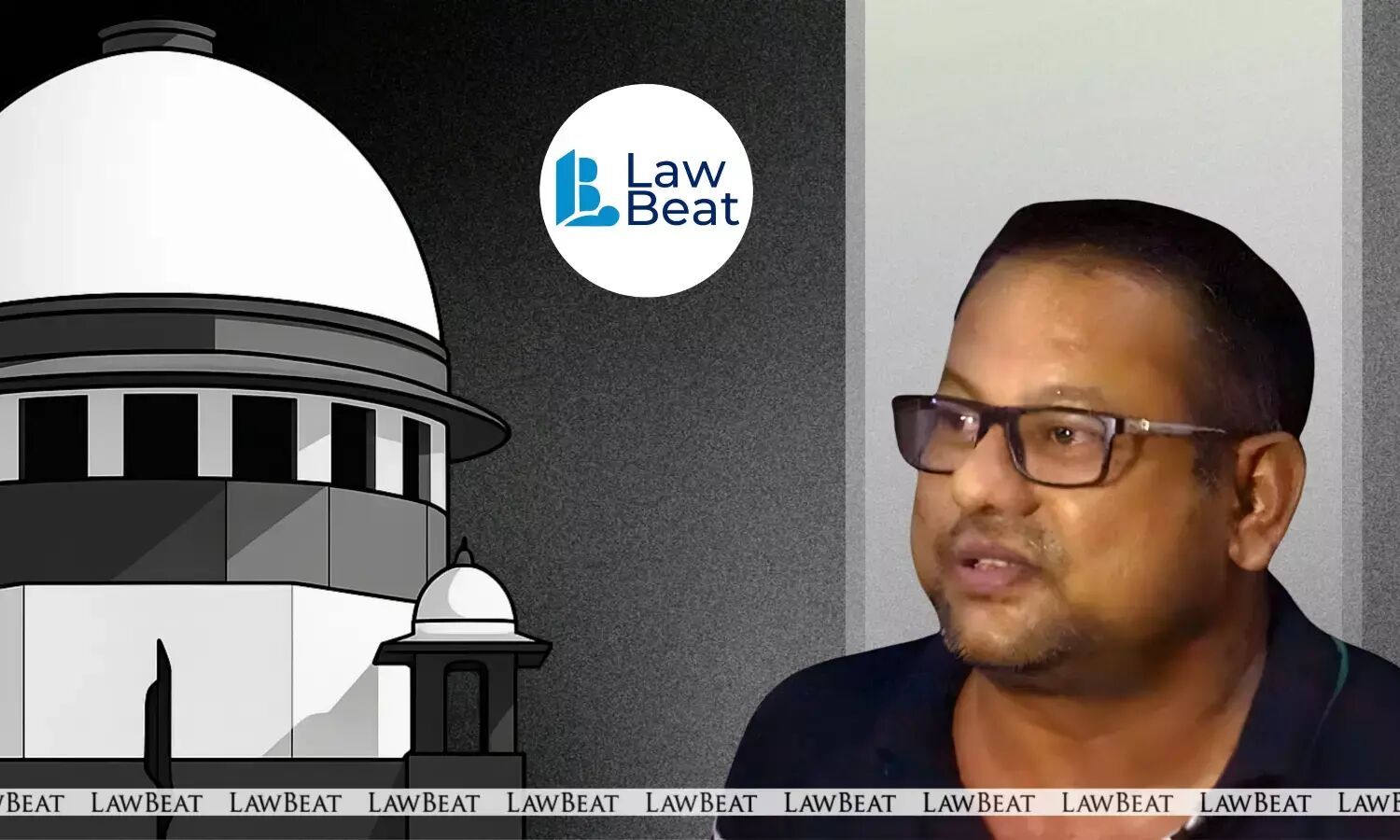
Supreme Court: Surendra Gadling Surjagarh Bail Plea Set for Nov 4
Summary
- The Supreme Court will hear UAPA accused Surendra Gadling's bail plea in the Surjagarh mine arson case on November 4.
- Gadling remains in custody for the 2016 Surjagarh case, where he is accused of aiding Maoists, despite securing bail in the Bhima Koregaon case.
- Senior Advocate Kapil Sibal represented Gadling before a Supreme Court Bench led by Justice Vikram Nath.
- The Court scheduled the hearing after the State confirmed that leave had been granted for the matter.
- This hearing is significant for UAPA bail jurisprudence, especially for accused facing multiple serious charges.
Supreme Court to Hear Bail Plea in Surjagarh Arson Case
The upcoming hearing of Surendra Gadling's bail plea by the Supreme Court holds significant implications for the evolving jurisprudence surrounding UAPA bail in India.
The Supreme Court of India is set to hear the bail application of Surendra Gadling, an individual accused under the Unlawful Activities (Prevention) Act (UAPA), on November 4. This development comes despite Gadling having already secured bail in the prominent Bhima Koregaon case, highlighting the complexities of legal proceedings when multiple serious charges are involved. His continued incarceration stems from the 2016 Surjagarh mine arson case, where he faces allegations of providing assistance to Maoist groups.
During a recent proceeding, Senior Advocate Kapil Sibal presented Gadling's case before a Supreme Court Bench presided over by Justice Vikram Nath. Sibal informed the court that while Gadling had been granted relief in the Bhima Koregaon matter, his liberty remained curtailed due to the ongoing Surjagarh investigation. The court proceeded to schedule the hearing for the specified date after the State's representative confirmed that leave to appeal had already been granted in the matter, paving the way for a full consideration of the bail request.
Legal Context of UAPA and Multiple Accusations
Surendra Gadling's situation underscores the stringent provisions of the UAPA, a law frequently invoked in cases deemed to involve national security or terrorism. The 2016 Surjagarh mine arson case, in which Gadling is implicated, specifically alleges his involvement in aiding Maoist activities, a charge that carries significant legal weight under the UAPA framework. The fact that he remains in custody for this particular case, even after obtaining bail in another high-profile UAPA matter like Bhima Koregaon, illustrates the independent nature of legal proceedings for separate criminal accusations.
The Supreme Court's decision to hear the Surendra Gadling Surjagarh bail plea indicates that the highest judicial body will scrutinize the merits of his continued detention. The granting of 'leave' by the court signifies that the case has met the preliminary requirements for a full hearing, suggesting that there are substantive legal questions or points of contention that warrant the Supreme Court's attention regarding his UAPA bail. This process is crucial for ensuring due process, especially in cases involving serious charges and prolonged custody.
Implications for UAPA Bail Jurisprudence
The upcoming hearing of Surendra Gadling's bail plea by the Supreme Court holds significant implications for the evolving jurisprudence surrounding UAPA bail in India. Cases involving multiple accusations, particularly under stringent laws like the UAPA, often present unique challenges for both the prosecution and the defense. The arguments put forth by Senior Advocate Kapil Sibal and the State, along with the eventual decision by the Bench led by Justice Vikram Nath, could provide crucial clarity on how courts approach bail applications when an accused is simultaneously involved in several serious criminal proceedings.
This specific instance, where an individual has secured bail in one major UAPA case (Bhima Koregaon bail Surendra Gadling) but remains in Surendra Gadling UAPA custody due to another (Surjagarh mine arson case), offers a critical opportunity for the Supreme Court to elaborate on the principles governing bail in such complex scenarios. The outcome of the Surendra Gadling Surjagarh bail plea Supreme Court hearing could influence future interpretations of UAPA bail provisions, particularly concerning the cumulative effect of multiple charges on an accused's right to liberty pending trial.
Practical Implications
Lawyers practicing in criminal defense, particularly those handling UAPA cases, should monitor the Supreme Court's hearing of Surendra Gadling's bail plea, as the arguments and eventual decision could offer crucial insights into the evolving jurisprudence on bail under the Unlawful Activities (Prevention) Act, especially concerning accused facing multiple serious charges.
Source
How does this affect you?
Get an AI analysis of this article grounded in your jurisdictions, practice areas, and any policy documents you've uploaded to Wansom.
Finish Reading the Full Story and the Expert Analysis.
Get the latest legal & regulatory intelligence in India
Wansom is AI and can make mistakes.