
Delhi Police: Connaught Place Protest Assurance Given to High Court
Summary
- The Delhi Police assured the High Court it would regulate a planned October 16 protest by CJP founder Abhijeet Dipke in Connaught Place.
- The assurance came during a hearing for Palika Bazar vendors who feared business disruption to their livelihoods.
- Senior Advocate Sacchin Puri argued that Connaught Place is not a designated protest site and that barricading had already begun.
- The High Court recorded the police's assurance and noted that no immediate restraining order was issued.
- CJP's protest is linked to its opposition to CEC Gyanesh Kumar and the recent detention of two party members, Saurav Das and Ashutosh Ranka.
Judicial Intervention Regarding Planned Protest
The High Court noted that the Delhi Police had already taken sufficient steps to manage the CJP's activities and pledged further action if necessary, recording this commitment officially.
The Delhi High Court recently addressed a petition concerning a planned protest by the Cockroach Janata Party (CJP) founder, Abhijeet Dipke, scheduled for October 16 at Central Park in Connaught Place. During the proceedings, the Delhi Police provided an assurance to the court, stating its commitment to take all possible measures, in accordance with legal provisions, to control and regulate the upcoming demonstration. This commitment was made in response to significant apprehensions raised by street vendors operating in Palika Bazar.
These vendors, who have maintained their livelihoods at Palika Bazar for many years, expressed serious concerns that the proposed protest could severely impact their businesses and overall earnings. Their petition highlighted the potential for substantial disruption to commercial activities, particularly given the timing of the protest during a crucial festive period. The court's engagement underscores the delicate balance between the right to protest and the economic interests of local businesses.
The High Court's Deliberation
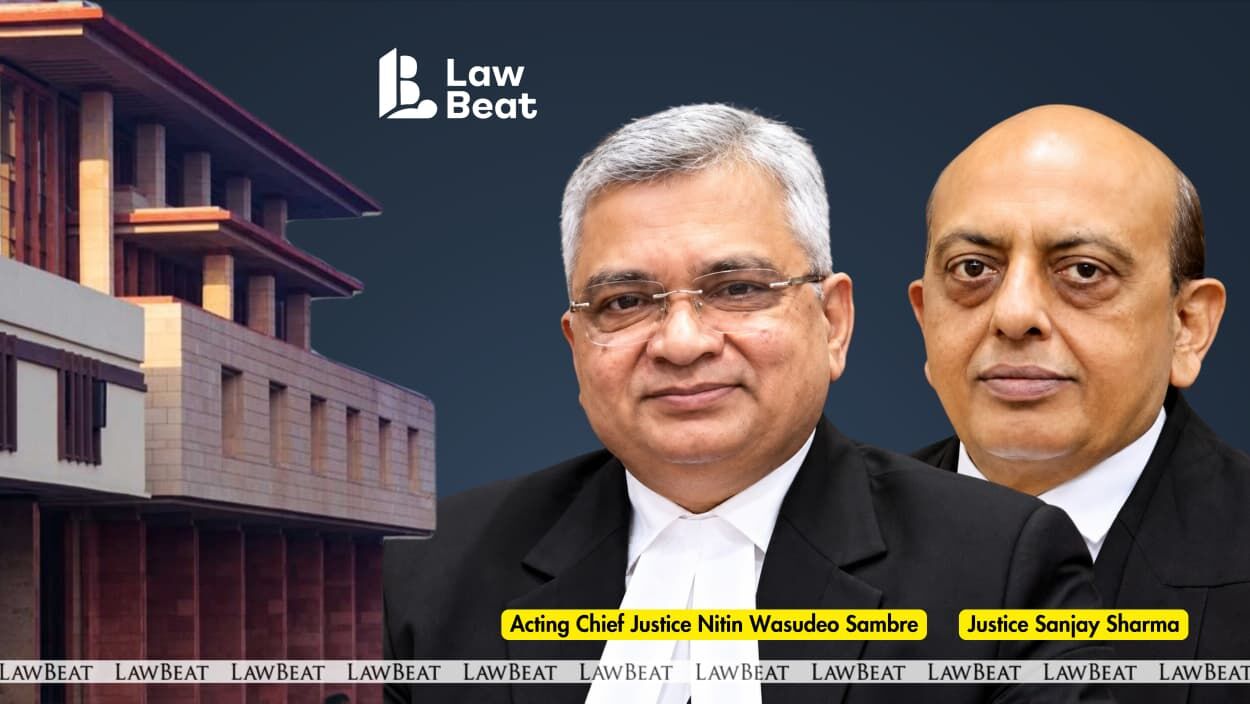
The assurance from the Delhi Police was presented by Additional Solicitor General (ASG) Chetan Sharma before a division bench comprising Acting Chief Justice Nitin Wasudeo Sambre and Justice Sanjay Sharma. Senior Advocate Sacchin Puri, representing the petitioners, urged the court to intervene, arguing that Connaught Place is not a designated location for protests. Puri further emphasized that the demonstration's timing during a festive season would exacerbate the negative impact on local commerce.
During the morning session, Puri informed the court that the proposed protest threatened another complete shutdown of Connaught Place, which would devastate individuals dependent on businesses in the area. He claimed that barricading had already begun and the shutdown was effectively underway, asserting that the protest must be halted to prevent financial ruin for the vendors. The bench initially noted that the Supreme Court was already handling issues related to ongoing protests, advising Puri to return later with relevant Supreme Court orders. No immediate order to restrain the demonstration was issued at that time. Subsequently, the ASG provided the police's assurance, which the High Court formally recorded, acknowledging that sufficient steps had already been taken and further measures would be implemented if required by law.
Background to the CJP Demonstration
The planned demonstration by the Cockroach Janata Party is rooted in its opposition to Chief Election Commissioner Gyanesh Kumar. The party has also voiced concerns regarding the detention of two of its members, Saurav Das and Ashutosh Ranka. These individuals were recently remanded to five days of judicial custody on Wednesday.
Their detention stems from proceedings related to allegations concerning their entry into Jantar Mantar and purported violations of peace bonds. Jantar Mantar itself has been denotified as a protest site, adding a layer of complexity to the context of public assemblies in Delhi. The CJP's call for a protest in Connaught Place thus arises from a broader set of grievances and legal challenges faced by its members.
Practical Implications
This case demonstrates the Delhi High Court's approach to balancing protest rights with potential business disruption, relying on police assurances for regulation rather than immediate injunctions. Lawyers should advise clients on the legal framework for public assemblies and the remedies available when protests impact commercial activities, particularly regarding police enforcement and court oversight.
Source
How does this affect you?
Get an AI analysis of this article grounded in your jurisdictions, practice areas, and any policy documents you've uploaded to Wansom.
Finish Reading the Full Story and the Expert Analysis.
Get the latest legal & regulatory intelligence in India
Wansom is AI and can make mistakes.