
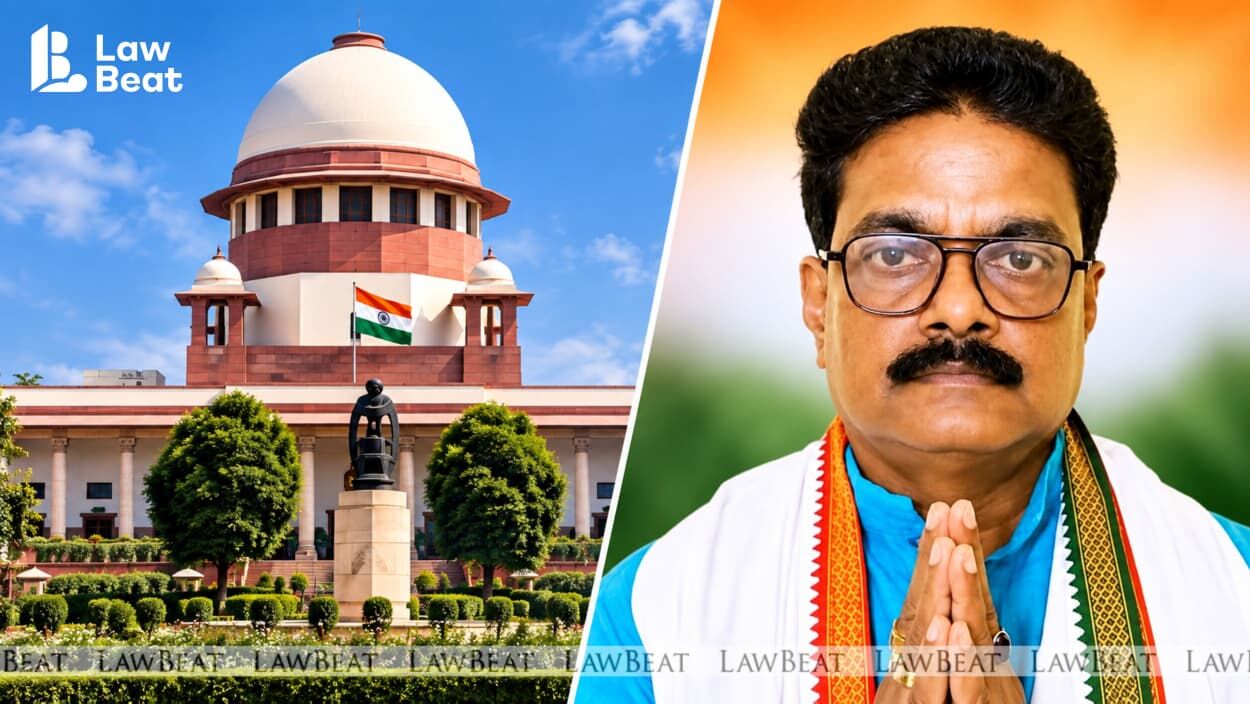
Supreme Court Upholds Milan Pradhan Interim Bail in Nandigram
Summary
- The Supreme Court refused West Bengal's plea against interim bail for Congress candidate Milan Pradhan.
- Pradhan, facing murder and other charges from 2007, received interim bail specifically to contest the Nandigram bypoll.
- The Calcutta High Court initially granted the bail, directing Pradhan to surrender by October 21 after the election.
- The Supreme Court noted the serious charges but upheld the bail's purpose, clarifying that the state's arguments against regular bail remain open.
- The case, THE STATE OF WEST BENGAL Vs MILAN PRADHAN, involved a bench led by CJI Surya Kant.
Supreme Court Upholds Interim Bail
The Court's careful balancing act is evident in its stipulation that the West Bengal government's arguments against regular bail would remain fully available should Pradhan seek to extend his temporary freedom.
The Supreme Court of India recently declined a plea from the West Bengal government, which sought to overturn an interim bail granted to Milan Pradhan, a Congress candidate for the Nandigram Assembly bypoll. This decision effectively upheld the Calcutta High Court's order, which had allowed Pradhan temporary release in connection with six criminal cases stemming from the 2007 Nandigram land-acquisition agitation. Pradhan, who is facing serious charges including murder, was specifically granted this interim relief to enable his participation in the electoral process.
The interim bail was explicitly tied to the by-election schedule. Polling for the Nandigram constituency concluded on October 6, with the counting of votes scheduled for October 9. Following the completion of these electoral activities, Pradhan is mandated to surrender before the Haldia court on October 21, as per the conditions set by the High Court. This specific timeline underscores the purpose-driven nature of the bail, allowing for electoral engagement without prejudice to the ongoing legal proceedings.
State's Challenge and Judicial Scrutiny
The West Bengal government, represented by Solicitor General Tushar Mehta, had vigorously challenged the interim bail, emphasizing the gravity of the murder charges against Pradhan. Mehta had sought an urgent hearing before the Supreme Court, requesting the matter be taken up prior to October 6, the day of the election. However, Chief Justice of India Surya Kant, leading a bench that also included Justice Joymalya Bagchi and Justice V Mohana, declined the request for a hearing on Thursday, instead scheduling it for October 5, just one day before polling.
During the proceedings, the Supreme Court bench acknowledged the serious nature of the offenses attributed to Pradhan. Nevertheless, the Court noted that the interim bail had been granted primarily to facilitate his ability to contest the election and participate in the subsequent vote counting. A crucial clarification from the Court stipulated that should Pradhan seek to extend or convert his interim bail into regular bail, all contentions and arguments previously raised by the West Bengal government would remain open for consideration, ensuring that the state's case is not undermined by this temporary relief. The Chief Justice had even indicated the likely dismissal of the state's plea, stating, "We will dismiss it..but not tomorrow, we will dismiss it on Monday..". The state's challenge was specifically directed at the September 29 order issued by Justice Tirthankar Ghosh of the Calcutta High Court.
Context of the Charges and Arrest
Milan Pradhan's legal troubles trace back to the tumultuous 2007 anti-land-acquisition movement in Nandigram. He is implicated in six criminal cases from that period, with four of these involving allegations of murder. The remaining cases include charges related to rioting and other offenses. These cases, now nearly two decades old, formed the basis for his arrest on September 18, which occurred shortly after he filed his nomination papers for the Nandigram bypoll.
Before the Calcutta High Court, Pradhan's legal team argued that given the significant passage of time since the incidents, and his intention to participate in the democratic process, he should be granted the opportunity to campaign for the election. The High Court subsequently granted the interim relief, recognizing the need for him to engage in the by-election scheduled for October 6. This decision by Justice Tirthankar Ghosh mandated his surrender to the Haldia court once the interim bail period concluded.
Implications for Electoral Justice
This ruling by the Supreme Court, in the case of THE STATE OF WEST BENGAL Vs MILAN PRADHAN, carries significant implications for the intersection of criminal justice and electoral rights in India. The decision highlights a judicial willingness to grant specific, time-bound interim bail for individuals facing serious charges, particularly when their participation in a democratic election is at stake. While the Court acknowledged the gravity of the murder charges against Milan Pradhan, it prioritized the immediate purpose of enabling his candidacy and involvement in the bypoll.
The Court's careful balancing act is evident in its stipulation that the West Bengal government's arguments against regular bail would remain fully available should Pradhan seek to extend his temporary freedom. This approach establishes a precedent for limited, purpose-driven interim bail, ensuring that while an individual's right to contest an election is protected, the state's ability to prosecute serious offenses is not permanently prejudiced. The hearing for this matter took place on October 7, 2026, with the bench comprising CJI Kant, Justice Bagchi, and Justice Mohana, underscoring the ongoing judicial oversight in such sensitive cases involving India election related bail.
Practical Implications
This ruling clarifies the Supreme Court's stance on interim bail granted for specific purposes, such as contesting an election, even for serious charges. Lawyers advising clients on bail applications should note that while such interim relief may be granted, the court will scrutinize the purpose and duration, and the state's arguments against regular bail remain open, providing a precedent for limited, purpose-driven interim bail.
Source
How does this affect you?
Get an AI analysis of this article grounded in your jurisdictions, practice areas, and any policy documents you've uploaded to Wansom.
Finish Reading the Full Story and the Expert Analysis.
Get the latest legal & regulatory intelligence in India
Wansom is AI and can make mistakes.