
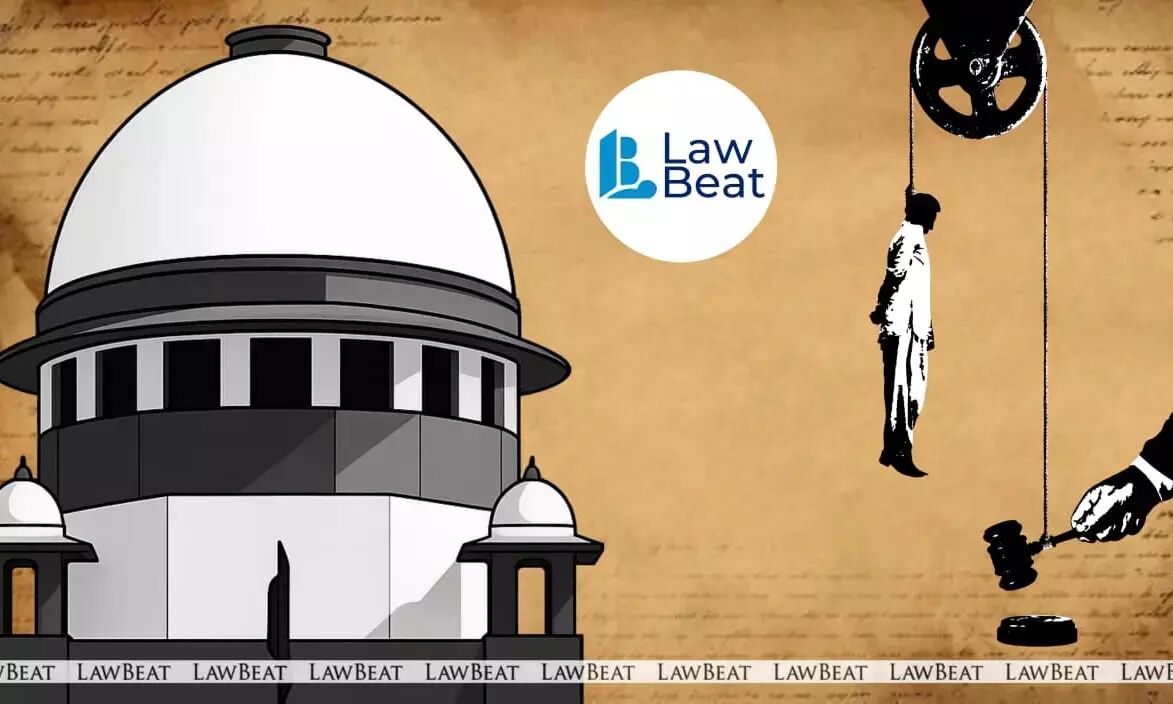
Supreme Court Upholds Hanging as Death Penalty Mode in India
Summary
- The Supreme Court has upheld hanging as a constitutionally valid mode of execution for death penalty convicts.
- The court declined to refer the issue to a larger bench for reconsideration, but left open the possibility of reviewing its decision in light of new evidence.
- The ruling highlights the ongoing debate about the use of capital punishment in India and the need for ongoing discussion and debate about its use.
Supreme Court Upholds Hanging as Constitutional Mode of Execution
Despite the petitioners' arguments that hanging is inhumane and violates Article 21 of the Constitution, the court declined to refer the issue to a larger bench for reconsideration.
In a recent ruling, the Supreme Court of India has upheld hanging as a constitutionally valid mode of execution for death penalty convicts. The decision was made by a bench comprising Justices Vikram Nath and Sandeep Mehta, who were hearing a plea seeking a less painful and more dignified alternative to hanging. Despite the petitioners' arguments that hanging is inhumane and violates Article 21 of the Constitution, which guarantees the right to life with dignity, the court declined to refer the issue to a larger bench for reconsideration.
Relevant Legal Context
The Supreme Court's decision is based on its earlier judgment in Dina, which held that hanging is a constitutionally valid mode of execution. However, the court has left open the possibility of reconsidering this decision if new scientific or medical evidence emerges showing that the factual and scientific basis of the Dina judgment has been materially displaced. This means that while hanging remains a permissible method of execution, it may be subject to review in the future if new evidence comes to light. The court's ruling also highlights the ongoing debate about the use of capital punishment in India, with some arguing that it is necessary for maintaining public safety and others advocating for its abolition.
Why It Matters
The Supreme Court's decision has significant implications for lawyers and advocates working on death penalty cases. While the court has upheld hanging as a constitutionally valid mode of execution, it has also left open the possibility of reconsidering this decision in light of new evidence. This means that lawyers should continue to monitor developments in this area and be prepared to argue against the use of capital punishment if new scientific or medical evidence emerges. Furthermore, the court's ruling highlights the need for ongoing debate and discussion about the use of capital punishment in India, with a focus on ensuring that it is used in a way that respects human dignity and upholds the principles of justice.
Practical Implications
Lawyers should note that while the Supreme Court has upheld hanging as a constitutionally valid mode of execution, it has left open the possibility of reconsidering this decision if new scientific or medical evidence emerges showing that the factual and scientific basis of the Dina judgment has been materially displaced.
Source
Source: Original reporting via The Hindu
How does this affect you?
Get an AI analysis of this article grounded in your jurisdictions, practice areas, and any policy documents you've uploaded to Wansom.
Wansom is AI and can make mistakes.