
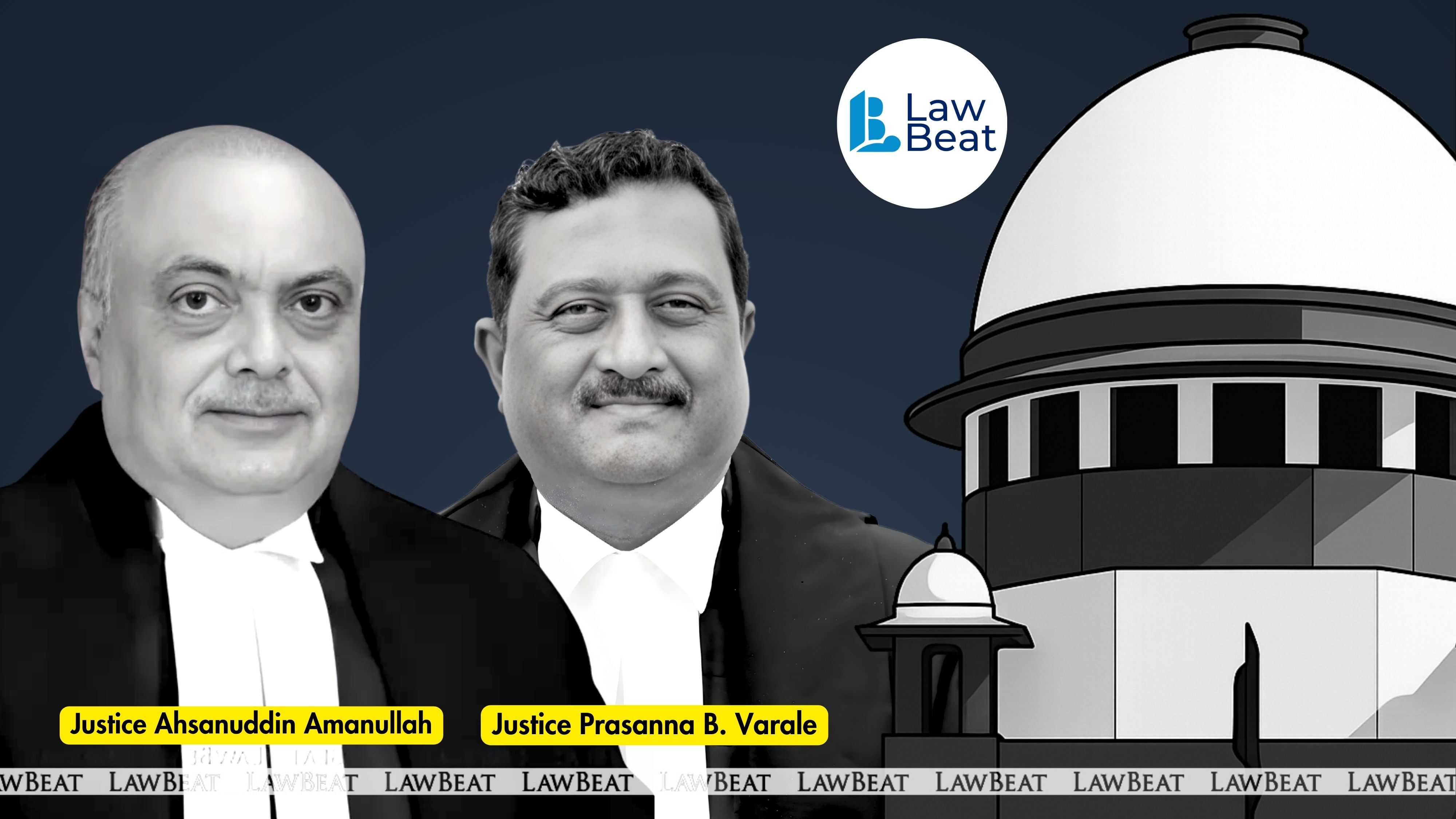
Supreme Court: SITs to Probe Fraudulent Motor Insurance Claims in India
Summary
- The Supreme Court of India has ordered all States to form dedicated Special Investigation Teams (SITs) to investigate fraudulent motor insurance claims.
- Insurance companies must report all suspected fraud cases to these SITs, with top management facing accountability for selective reporting.
- The Court observed a nationwide pattern of repeated claims involving the same vehicle, indicating fraud on an "enormous" scale.
- States are required to provide adequate personnel for SITs and disclose their investigation procedures, with Uttar Pradesh cited for its existing efforts.
- Insurers must also investigate their own officials for facilitating fraud and forward details of claims rejected by Motor Accident Claims Tribunals due to fraud to the SITs.
Supreme Court Mandates SITs for Insurance Fraud
The Supreme Court has made it clear that the top management of an insurance company will be held accountable if any selective forwarding of cases to State SITs is discovered.
The Supreme Court of India has issued a significant directive, ordering all States to establish dedicated Special Investigation Teams (SITs) to probe suspected fraudulent motor insurance claims. This decision stems from the Court's observation of a widespread pattern across the nation, where the same vehicle is repeatedly implicated in accidents to facilitate fraudulent claims, suggesting a potential fraud scale that could be "enormous."
The proceedings, initially arising from a Special Leave Petition (SLP) concerning the involvement of a specific vehicle in an accident, expanded as allegations surfaced regarding multiple accident claims for the same vehicle. Justices Ahsanuddin Amanullah and PB Varale, presiding over the bench, highlighted that such fraudulent activities not only impose considerable financial strain on insurance companies but also inevitably lead to increased premium costs for genuine policyholders.
To combat this systemic issue, the Court has mandated that every State constitute a special, dedicated SIT at the state level. These teams are tasked with investigating complaints of suspected insurance fraud, with States required to allocate sufficient personnel to ensure swift and thorough investigations. Furthermore, States must publicly disclose the procedures adopted for investigating these claims, ensuring transparency and accountability in the process.
Insurers Face Strict Reporting and Accountability Rules
A pivotal aspect of the Supreme Court's directive is the stringent mandate placed upon insurance companies regarding the reporting of potential fraud. Insurers are now unequivocally required to forward *all* complaints indicative of potential fraud to the relevant State SIT, with the Court explicitly warning against a "pick and choose" approach in referring cases for investigation. The Court underscored that the responsibility rests squarely with insurance companies to ensure comprehensive reporting.
Failure to adhere to this non-selective reporting mandate carries severe consequences. The Supreme Court has made it clear that the top management of an insurance company will be held accountable if any selective forwarding of cases to State SITs is discovered. This directive aims to instill a culture of complete transparency and proactive engagement from insurers in the fight against fraudulent motor insurance claims in India.
Beyond reporting, insurance companies are also directed to file affidavits detailing the actions taken on cases referred to the SITs and any internal disciplinary measures initiated against their own officials. Should an SIT recommend action or an FIR be registered against an insurance company officer, the company must undertake appropriate departmental action without delay. Insurers are further tasked with investigating whether their own officials contributed to or facilitated fraudulent claims, with accountability extending beyond individual perpetrators to instances of institutional or internal collusion.
State-Level Implementation and MACT Referrals
The Supreme Court's directives extend to the operational aspects of fraud investigation at the state level. During the hearings, Uttar Pradesh presented its proactive measures, informing the Court that it had already established a special SIT to verify complaints concerning suspected fraudulent insurance claims. The state reported receiving 2,188 complaints, investigating 1,029 of these, which led to the registration of 231 First Information Reports (FIRs) against 533 accused individuals. While the Court acknowledged and appreciated Uttar Pradesh's actions, it emphasized that all other States must also establish dedicated SITs for this specific purpose.
In a further move to close loopholes, the Court accepted a suggestion from advocate Jagdish Chandra Solanki regarding cases where Motor Accident Claims Tribunals (MACTs) reject claims on grounds of fraud or collusion. Insurers are now directed to immediately forward the details of such rejected claims to the SIT of the State where the claim originated. Concurrently, the concerned insurance company is also required to conduct its own in-house investigation into these specific cases, ensuring a multi-pronged approach to identifying and prosecuting fraudulent activities.
Combating Widespread Insurance Fraud in India
The Supreme Court's comprehensive directives underscore the gravity of fraudulent motor insurance claims in India, recognizing their "enormous" financial impact and the burden they place on genuine consumers through increased premiums. By mandating the formation of dedicated State-level SITs and imposing strict reporting and accountability standards on insurance companies, the Court aims to establish a robust framework for investigation and deterrence.
This proactive stance by the judiciary is crucial for safeguarding the integrity of the insurance sector and ensuring that justice is served. The emphasis on non-selective reporting, internal accountability for insurance company officials, and the inclusion of MACT-rejected claims in the investigative scope, collectively signal a determined effort to curb a pervasive problem that has long plagued the Indian insurance landscape. The success of these measures will hinge on diligent implementation by both state authorities and insurance providers.
Practical Implications
Insurance companies and their legal counsel in India must immediately review and update their fraud detection and reporting protocols to comply with the Supreme Court's directive for mandatory, non-selective reporting of all suspected fraudulent motor insurance claims to State-level SITs, and to establish internal accountability for officials involved in facilitating fraud. Failure to do so could lead to top management being held accountable.
Source
Source: Original reporting via Live Law
How does this affect you?
Get an AI analysis of this article grounded in your jurisdictions, practice areas, and any policy documents you've uploaded to Wansom.
Wansom is AI and can make mistakes.