
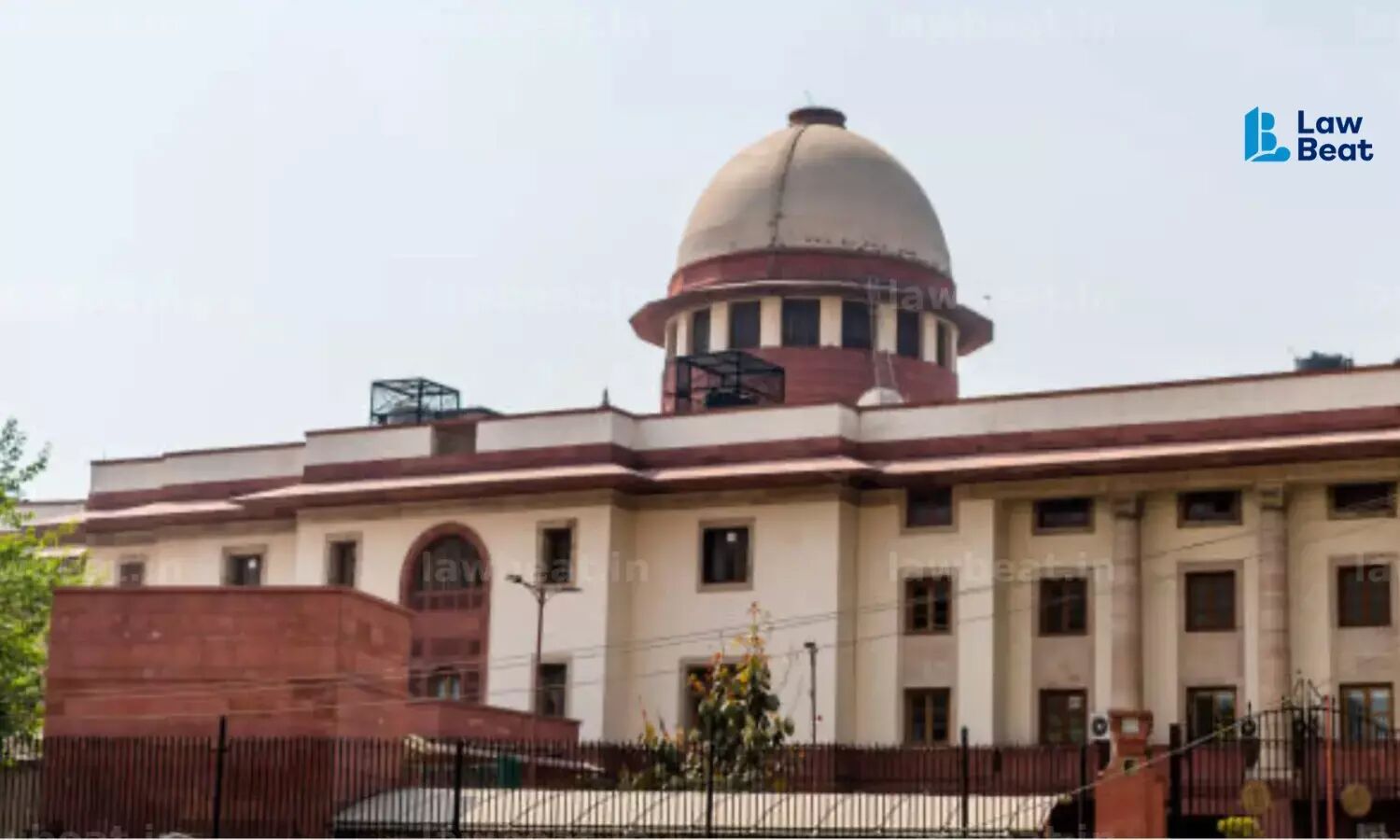
Supreme Court to Hear Plea: Rajasthan, UP School Restrictions Challenged
Summary
- A petition filed by Priya Mishra and advocate Narendra Mishra challenges restrictions on public and media access to government schools in Rajasthan and Uttar Pradesh.
- The plea argues that rules requiring prior permission and prohibiting recording violate fundamental rights, including freedom of speech under Article 19(1)(a).
- It contends that the restrictions are arbitrary, disproportionate, and grant unguided discretion to school principals, undermining transparency.
- The petition seeks to expose deficiencies in school infrastructure and services, such as lack of buildings, toilets, and adequate drinking water.
- The Supreme Court has indicated it will list the petition, which also seeks state-wise data on schools lacking basic facilities.
Supreme Court to Hear Challenge on School Access Rules
Making public scrutiny contingent on permission from the very authorities whose functioning is under review inherently undermines transparency and accountability in public institutions.
The Supreme Court of India is set to consider a significant petition challenging restrictions imposed by the education departments of Rajasthan and Uttar Pradesh on public access to government schools. The plea, filed by advocate Narendra Mishra on behalf of petitioner Priya Mishra, contests rules that limit the entry of journalists, YouTubers, social-media persons, civil-society representatives, and other members of the public who seek to scrutinize the functioning of these institutions.
The petition specifically targets requirements for prior permission to enter school premises, alongside prohibitions on photography, videography, interviews, audio recording, and live-streaming. These Rajasthan Uttar Pradesh school access rules are alleged to be arbitrary and disproportionate, hindering legitimate public interest reporting and oversight. The matter was brought before a bench led by Chief Justice of India Surya Kant, which also included Justices Joymalya Bagchi and V Mohana, and the Court has indicated its intention to list the petition for further proceedings.
Constitutional Rights at Stake
Central to the challenge are fundamental constitutional rights, with the petition arguing that the restrictions violate Articles 14 (equality), 19(1)(a) (freedom of speech and expression), 19(1)(g) (freedom to practice any profession or carry on any occupation, trade or business), 21 (protection of life and personal liberty), and 21-A (right to education). The petitioners contend that any curbs on legitimate public-interest reporting and scrutiny of government schools must adhere to constitutional requirements of reasonableness, necessity, and proportionality.
While acknowledging the legitimate concern for protecting children's privacy, dignity, and safety, the plea asserts that authorities cannot leverage this concern to impose blanket restrictions on independent documentation of government school infrastructure and operations. The restrictions are further criticized for granting school principals broad and unguided discretion to permit or deny access, without establishing transparent or objective criteria, clear reasons for refusal, a time-bound mechanism for decisions, or an effective review process for denied requests.
Undermining Transparency and Accountability
The petition highlights that making public scrutiny contingent on permission from the very authorities whose functioning is under review inherently undermines transparency and accountability in public institutions. This lack of clear guidelines and oversight mechanisms creates an environment where deficiencies can remain unaddressed and unreported. The petitioners propose less restrictive safeguards that could be adopted to balance child protection with public access, such as limiting entry to classrooms during teaching hours, safeguarding confidential records, and prohibiting the recording of identifiable children or masking their faces and personal information.
Such measures, the plea suggests, would allow for essential public interest reporting and scrutiny without compromising the safety and privacy of students. The core argument is that the current restrictions are overly broad and fail to strike an appropriate balance between protecting children and ensuring the transparency of government-run educational facilities.
Why School Transparency Matters
The legal challenge underscores the critical role of independent inspection and reporting in bringing to light deficiencies within government schools. The petition specifically references concerns about schools operating without proper buildings, non-functional or absent toilets, inadequate drinking water and electricity, and alleged shortcomings in mid-day meals, attendance, enrollment, and other educational facilities, including a lack of boundary walls. These issues, the plea argues, can only be effectively addressed when brought to the attention of both authorities and the public through transparent reporting.
Ultimately, the petition seeks the quashing of the restrictive orders issued by the Rajasthan and Uttar Pradesh governments and a declaration that any limitations on public-interest reporting and scrutiny of government schools must satisfy stringent constitutional standards. It also requests state-wise data on government schools lacking essential infrastructure like buildings, toilets, and adequate drinking-water facilities, including their total numbers and district locations, emphasizing that public-interest scrutiny should not be prohibited merely because it might expose such deficiencies.
Practical Implications
Lawyers should monitor the Supreme Court's decision in this case, as it will clarify the constitutional boundaries for state governments imposing restrictions on public and media access to government schools. The ruling could establish important precedents regarding freedom of speech, transparency, and accountability in public institutions, directly impacting advice for media clients, NGOs, or government bodies on access policies.
Source
Source: Original reporting via Live Law
How does this affect you?
Get an AI analysis of this article grounded in your jurisdictions, practice areas, and any policy documents you've uploaded to Wansom.
Wansom is AI and can make mistakes.