
Supreme Court: Meta X Must Respond to Police Social Media Posting Safeguards Plea
Summary
- The Supreme Court has sought responses from the Centre and social media intermediaries Meta and X on a plea seeking safeguards against police uploading photos and videos of accused persons on social media.
- The fresh petition builds upon an earlier petition that was withdrawn in March 2026 with liberty to approach the Supreme Court again.
- The Supreme Court's move highlights the need for clear guidelines on police social media practices, which can have far-reaching implications for online reputation management.
What Happened
The only problem is how to control it because this is not a border that you can just close down
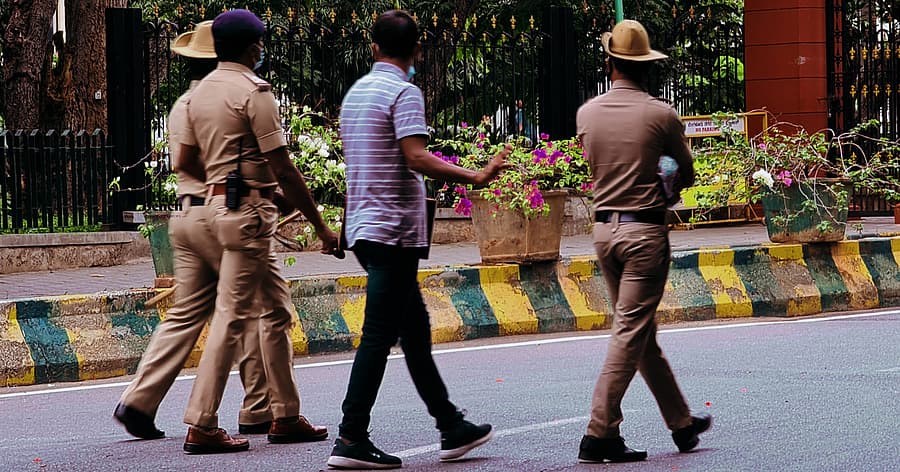
The Supreme Court has sought responses from the Centre and social media intermediaries Meta and X on a plea seeking safeguards against police uploading photographs and videos of accused persons on social media. The Court's move comes after a fresh petition was filed, which builds upon an earlier petition that was withdrawn in March 2026 with liberty to approach the Supreme Court again. The fresh petition seeks to address the issue of police posting photos and videos of accused individuals online, which can prejudice their right to a fair trial and violate their dignity.
Legal Context
The Supreme Court's decision to seek responses from Meta and X is significant in light of ongoing efforts to regulate social media content in India. The Court has flagged the difficulty in controlling digital content, observing that 'this is not a border that you can just close down.' This challenge underscores the complexities involved in regulating online platforms and their impact on individual rights. The Supreme Court's move also highlights the need for clear guidelines on police social media practices, which can have far-reaching implications for online reputation management.
Why It Matters
The Supreme Court's guidance on regulating content in this area is crucial for lawyers advising clients on online reputation management. The potential changes to police social media practices and the Court's rulings on regulating content can have significant implications for individuals and organizations seeking to manage their online presence. As the Indian government continues to frame guidelines on police media briefings, the Supreme Court's decision to seek responses from Meta and X underscores the importance of balancing individual rights with the need for effective regulation of social media platforms.
Practical Implications
Lawyers advising clients on online reputation management should watch for potential changes to police social media practices and the Supreme Court's guidance on regulating content in this area.
Source
How does this affect you?
Get an AI analysis of this article grounded in your jurisdictions, practice areas, and any policy documents you've uploaded to Wansom.
Wansom is AI and can make mistakes.