
Supreme Court: Section 11 Same Arbitrator for Two Contracts
Summary
- The Supreme Court directed the appointment of Saumya Tandon as the sole arbitrator for disputes under both the Mahanet and T-Fiber Agreements.
- This decision modified a Delhi High Court order, consolidating arbitration for two separate optical fiber cable contracts under Section 11 of the Arbitration and Conciliation Act, 1996.
- M/s STL Networks Limited sought a single arbitrator to facilitate a cross-project set-off claim, which was more than double the value of the other claim.
- The Court emphasized procedural efficiency, clarifying that its order did not decide the merits of the underlying disputes or the set-off claim.
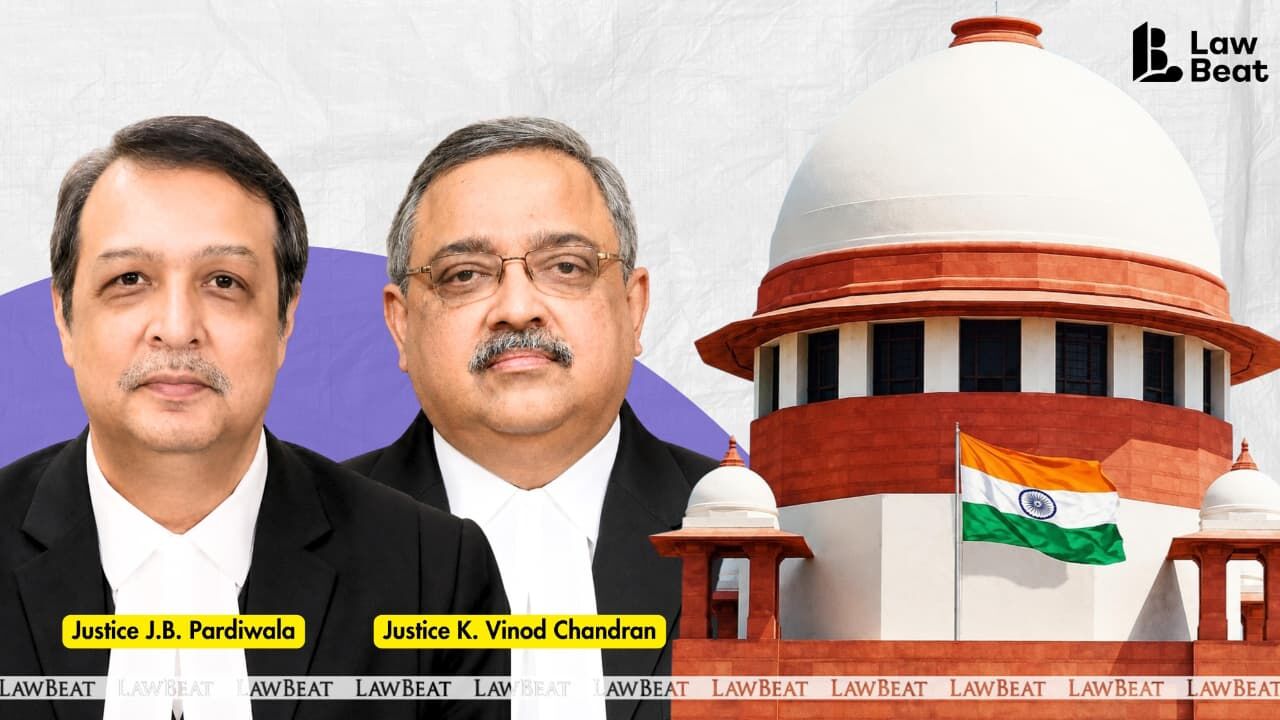
- The ruling, delivered on September 07, 2026, by Justices J B Pardiwala and K Vinod Chandran, provides guidance on appointing the same arbitrator for multiple contracts.
What Happened
By directing the appointment of the same arbitrator for multiple contracts, even when they arise from distinct agreements, the Court has signaled a preference for streamlined dispute resolution.
The Supreme Court recently intervened in a complex arbitration matter, directing the appointment of a single arbitrator to oversee disputes arising from two distinct optical fiber cable contracts. This significant ruling, delivered on September 07, 2026, by a bench comprising Justices J B Pardiwala and K Vinod Chandran, modified a prior order issued by the Delhi High Court. The apex court mandated that Saumya Tandon, who had already been appointed for one of the disputes, would now serve as the sole arbitrator for both the Mahanet Agreement and the T-Fiber Agreement.
The decision stemmed from a civil appeal lodged by M/s STL Networks Limited against Caspian India Engicon Pvt Ltd. While the Supreme Court explicitly stated it would not delve into the merits of the underlying contractual disagreements, its directive consolidated the arbitration proceedings, aiming for procedural consistency. This move ensures that all related claims between the parties, particularly those involving potential cross-project set-offs, are adjudicated by a single authority.
Genesis of the Dual Arbitrations
The initial dispute arose under the Mahanet Agreement, prompting Caspian India Engicon Pvt Ltd to initiate arbitration proceedings. On September 16, 2025, the Delhi High Court, acting under Section 11 of the Arbitration and Conciliation Act, 1996, appointed Saumya Tandon as the sole arbitrator for this particular contract. Subsequently, disagreements also emerged concerning the T-Fiber Agreement. This led to a separate application filed before the Delhi High Court, again under Section 11 of the Arbitration and Conciliation Act, 1996, which resulted in the appointment of a different arbitrator for the T-Fiber dispute.
M/s STL Networks Limited, the appellant in the Supreme Court case, sought to unify these proceedings under a single arbitrator. Their primary contention was that they held a substantial recovery claim under the T-Fiber Agreement. This claim, which STL Networks asserted was more than double the value of the claim under the Mahanet Agreement, was intended to be raised as a cross-project set-off against amounts due under the Mahanet Agreement. The company argued that having the same arbitrator for multiple contracts was crucial for a holistic and fair resolution, especially given the interconnected financial claims in the STL Networks Limited arbitration.
Judicial Rationale and Legal Context
The Supreme Court's decision to appoint the same arbitrator for both agreements underscores a commitment to judicial efficiency and consistency in arbitration. Section 11 of the Arbitration and Conciliation Act, 1996, provides the statutory framework for the appointment of arbitrators, particularly when parties cannot agree or when the agreed mechanism fails. In this instance, the Supreme Court exercised its power to modify the High Court's order, emphasizing that "in the fitness of things," the arbitration should be conducted by the first appointed arbitrator, Saumya Tandon.
The bench made it unequivocally clear that its order did not constitute a judgment on the merits of the cross-project set-off claim asserted by STL Networks, nor did it determine the quantum of claims under either the Mahanet or T-Fiber Agreements. The Court merely recorded the appellant's argument regarding the set-off. This clarification ensures that the arbitrator retains full autonomy to assess all contentions raised by the parties without any pre-judgment from the apex court regarding the substantive issues. The ruling primarily addresses the procedural aspect of arbitrator appointment, particularly in scenarios involving related disputes and claims of cross-project set-off arbitration.
Why It Matters
This Supreme Court Section 11 same arbitrator ruling provides significant guidance for arbitration proceedings involving interconnected contracts, especially where a party seeks to consolidate claims or assert cross-project set-offs. By directing the appointment of the same arbitrator for multiple contracts, even when they arise from distinct agreements, the Court has signaled a preference for streamlined dispute resolution. This approach helps prevent the possibility of conflicting awards from different arbitrators and promotes a more coherent assessment of overall financial liabilities and entitlements between parties.
The decision highlights the judiciary's role in ensuring that the arbitration process remains effective and avoids multiplicity of proceedings, particularly when claims are intrinsically linked, such as through a cross-project set-off. Legal practitioners can leverage this precedent when advocating for a single arbitrator in cases where disputes, though formally separate, are substantively intertwined, thereby enhancing the efficiency and consistency of the arbitration process. The Saumya Tandon arbitrator appointment in this context serves as a key example of this judicial inclination.
Practical Implications
This ruling provides guidance on the appointment of a single arbitrator for related disputes under separate contracts, particularly where cross-project set-offs are claimed, emphasizing judicial efficiency and consistency in arbitration proceedings. Lawyers should leverage this precedent when seeking consolidated arbitration for interconnected claims, even if arising from distinct agreements, to avoid multiplicity of proceedings.
Source
How does this affect you?
Get an AI analysis of this article grounded in your jurisdictions, practice areas, and any policy documents you've uploaded to Wansom.
Finish Reading the Full Story and the Expert Analysis.
Get the latest legal & regulatory intelligence in India
Wansom is AI and can make mistakes.