
Jharkhand HC: Gharjamai Demand Not Cruelty Under HMA
Summary
- The Jharkhand High Court ruled that a wife's wish for her husband to live as a 'Gharjamai' does not constitute matrimonial cruelty under the Hindu Marriage Act.
- The court dismissed a husband's appeal for divorce, upholding the Family Court's finding that cruelty was not established in the case of Rahul Choubey v. Poonam Pathak.
- The husband had alleged his wife wanted him to leave his ailing parents to live with her family in Patna.
- The High Court emphasized that matrimonial cruelty requires 'grave and weighty' conduct, not mere trivial irritations or a bride's right to visit her parental home.
- This judgment clarifies the high legal threshold for proving cruelty in divorce cases in India.
What Happened
The Jharkhand High Court recently ruled that a wife's desire for her husband to live with her at her parental home as a 'Gharjamai' does not, by itself, constitute matrimonial cruelty sufficient for divorce under the Hindu Marriage Act.
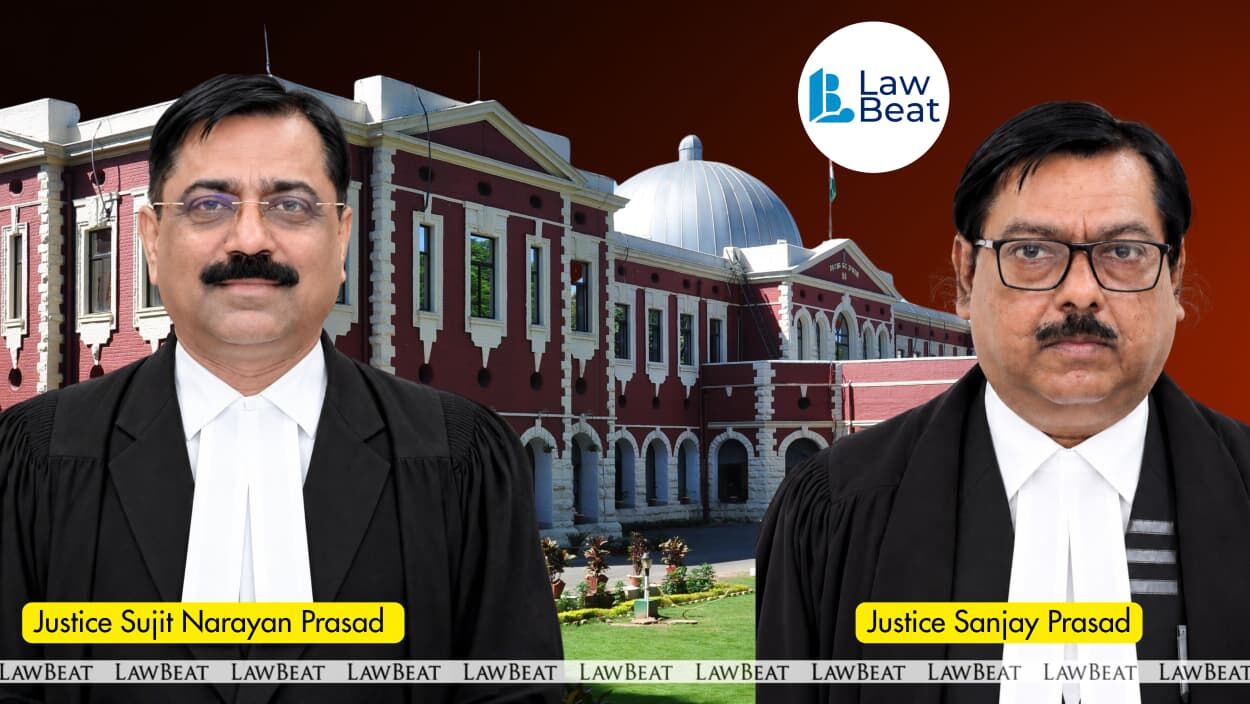
The Jharkhand High Court recently ruled that a wife's desire for her husband to live with her at her parental home as a 'Gharjamai' does not, by itself, constitute matrimonial cruelty sufficient for divorce under the Hindu Marriage Act. This decision came as a Division Bench, comprising Justice Sujit Narayan Prasad and Justice Sanjay Prasad, dismissed an appeal filed by a husband, Rahul Choubey, challenging a Family Court's refusal to grant him a divorce from his wife, Poonam Pathak.
Mr. Choubey had initiated proceedings under Section 13(1)(ia) of the Hindu Marriage Act, 1955, alleging cruelty. He claimed that his wife frequently visited her parental home in Patna and subsequently insisted that he leave his elderly and ailing parents to live with her family as a 'Gharjamai'. He stated he was unable to agree to this arrangement due to his parents' need for care, and that his wife departed for Patna on February 24, 2013, never returning to their matrimonial home. He further alleged that she repeatedly asked him to join her there.
The couple had married in Patna on November 21, 2008, according to Hindu rites, and had one daughter. Initially, their marital life was described as peaceful, with his parents showing respect for his wife. The Family Court in Hazaribagh had previously dismissed Mr. Choubey's suit, concluding that the alleged cruelty had not been substantiated. While Ms. Pathak did not appear before the Family Court, leading to ex parte proceedings, an amicus curiae represented her before the High Court, arguing that she had faced harassment and wished to continue the marriage, having performed her marital obligations.
Legal Context
The High Court's ruling underscored the established legal principle that the definition of matrimonial cruelty is not rigid and must be determined based on the specific circumstances of each case. The bench referenced Supreme Court judgments, including *Shobha Rani v. Madhukar Reddi*, which clarified that 'cruelty' lacks a fixed definition and can vary depending on the social, economic, cultural, and human values of the parties involved. This nuanced approach ensures that trivial irritations or the normal challenges of married life are not misconstrued as grounds for divorce.
Further elaborating on the standard for matrimonial cruelty, the court cited *Joydeep Majumdar v. Bharti Jaiswal Majumdar*, emphasizing that conduct alleged to be cruel must be 'grave and weighty'. This precedent highlights that minor disagreements or the ordinary 'wear and tear' of a relationship do not typically meet the threshold for mental cruelty required to dissolve a marriage. The court also affirmed that a bride's right to visit her parental home is fundamental, suggesting that such visits or a mere wish for a 'Gharjamai' arrangement do not inherently constitute cruelty.
By dismissing the husband's appeal, the Jharkhand High Court reinforced that for a divorce to be granted on grounds of cruelty under Section 13(1)(ia) of the Hindu Marriage Act, the alleged actions must demonstrate a significant and severe impact on the petitioner, going beyond a spouse's preference for a particular living arrangement. The judgment clarifies that the insistence on a 'Gharjamai' setup, without additional grave and weighty conduct, does not fulfill the legal definition of matrimonial cruelty in India.
Why It Matters
This judgment from the Jharkhand High Court provides a significant clarification regarding the definition of matrimonial cruelty under the Hindu Marriage Act, particularly concerning the 'Gharjamai' concept. It establishes a clear precedent that a wife's mere wish for her husband to reside with her at her parental home, even if it involves leaving his own parents, does not automatically qualify as cruelty warranting the dissolution of marriage. This ruling sets a high bar for what constitutes actionable cruelty in divorce petitions.
The decision is crucial for understanding the scope of divorce grounds in India, emphasizing that courts will scrutinize the nature and gravity of allegations rather than accepting subjective interpretations of distress. It reinforces the judiciary's stance on preserving marital bonds unless there is compelling evidence of severe and sustained cruel conduct. This interpretation ensures that cultural preferences or familial expectations, like the 'Gharjamai' arrangement, are not weaponized as grounds for divorce without substantial proof of harm or malicious intent. The ruling also implicitly protects a wife's right to maintain ties with her parental family, recognizing it as a legitimate aspect of marital life.
Practical Implications
This ruling provides a clear precedent for lawyers advising clients on divorce petitions under the Hindu Marriage Act, specifically clarifying that a spouse's wish for a 'Gharjamai' arrangement does not, by itself, constitute matrimonial cruelty. Lawyers should consider this judgment when evaluating the viability of cruelty claims or defending against them in similar factual matrices.
Source
Source: Original reporting via Live Law
How does this affect you?
Get an AI analysis of this article grounded in your jurisdictions, practice areas, and any policy documents you've uploaded to Wansom.
Finish Reading the Full Story and the Expert Analysis.
Get the latest legal & regulatory intelligence in India
Wansom is AI and can make mistakes.